Helical vs Herringbone vs Double Helical Gears
1. Introduction
PairGears is a precision gear manufacturer and custom gear supplier for agricultural machinery, truck, construction equipment, and EV drivetrains. If your gearbox has two parallel shafts, you will often start with helical gears because they run smoothly and handle load well. But helical gears also create axial thrust (a push along the shaft), so the bearings and housing must deal with it.
For heavy-duty gearboxes, thrust can become a real limit. This is where herringbone and double helical gears can help: their left-hand and right-hand halves can cancel most axial thrust. This guide compares the three types in plain English and helps you choose based on load, bearings, housing stiffness, and simple inspection checks.
2. A Quick Definition of Helical, Herringbone, and Double Helical Gears
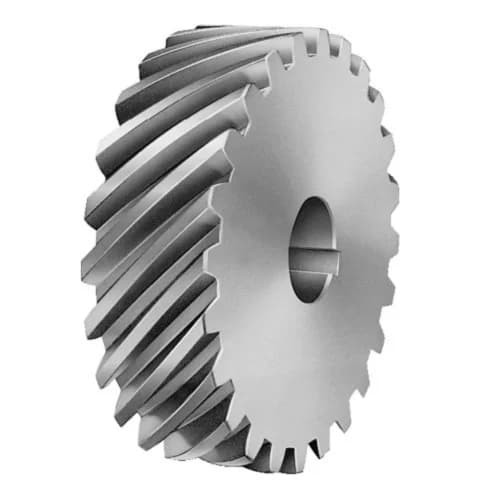
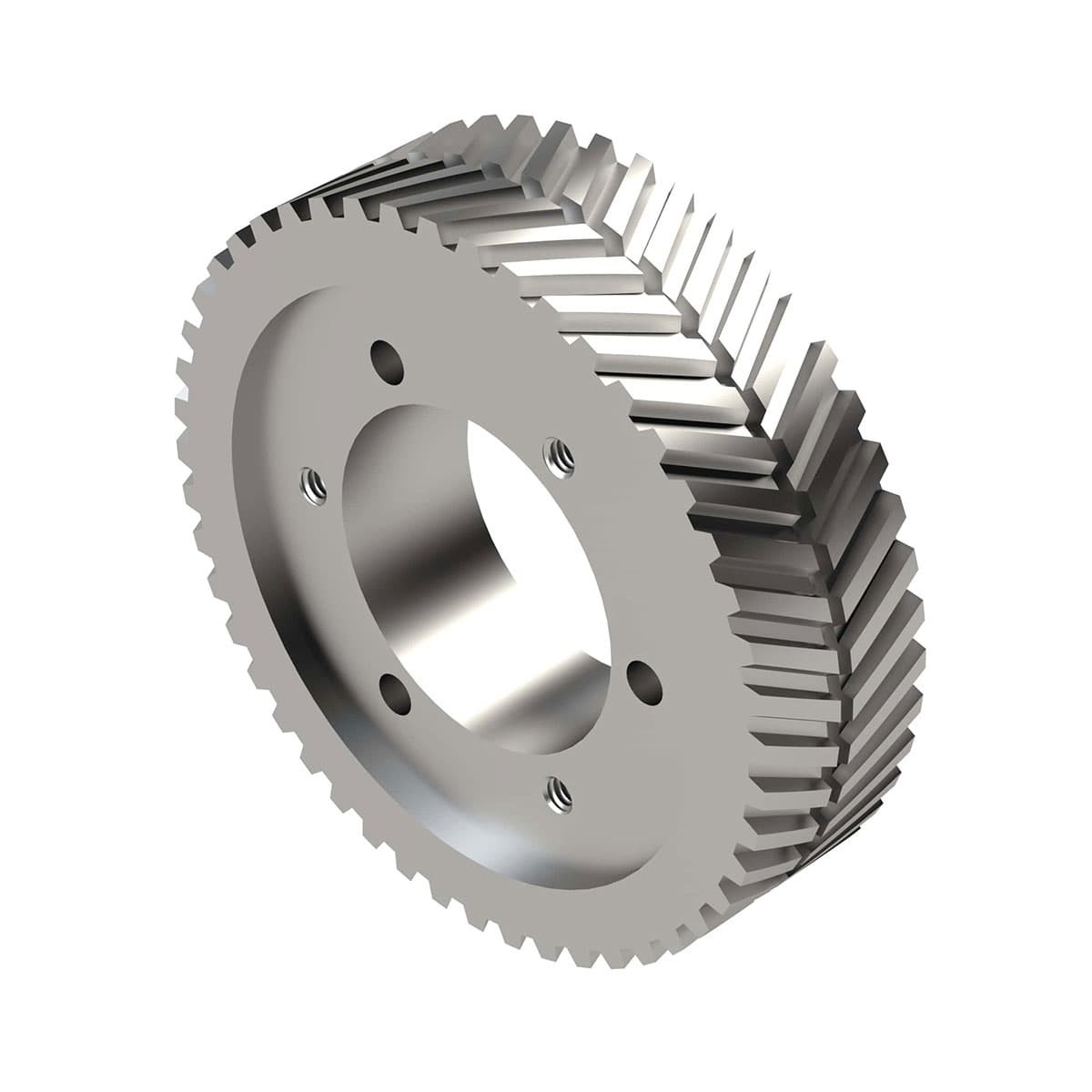
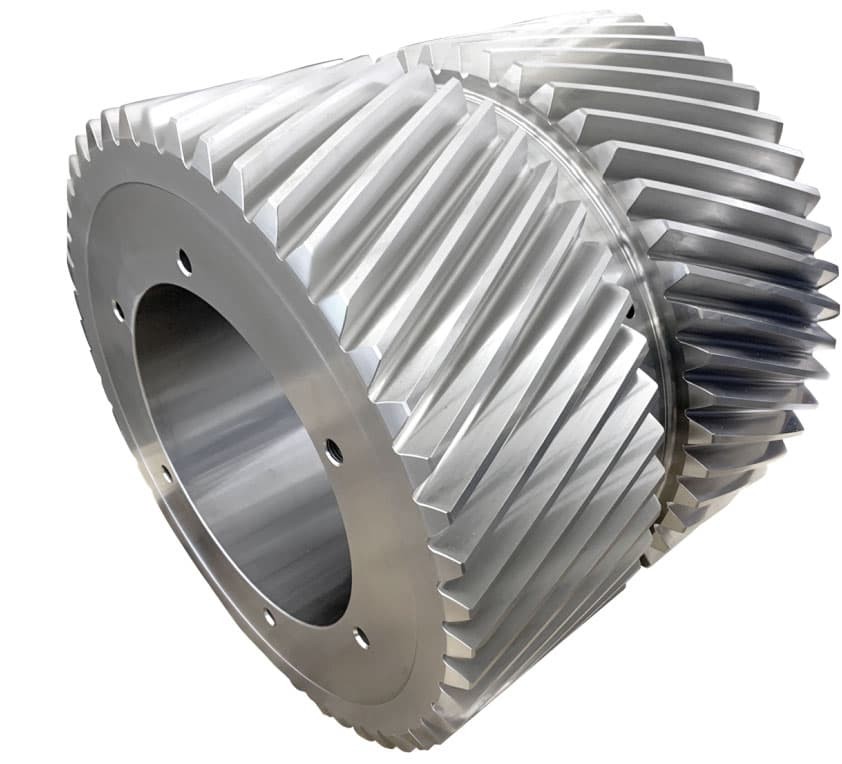
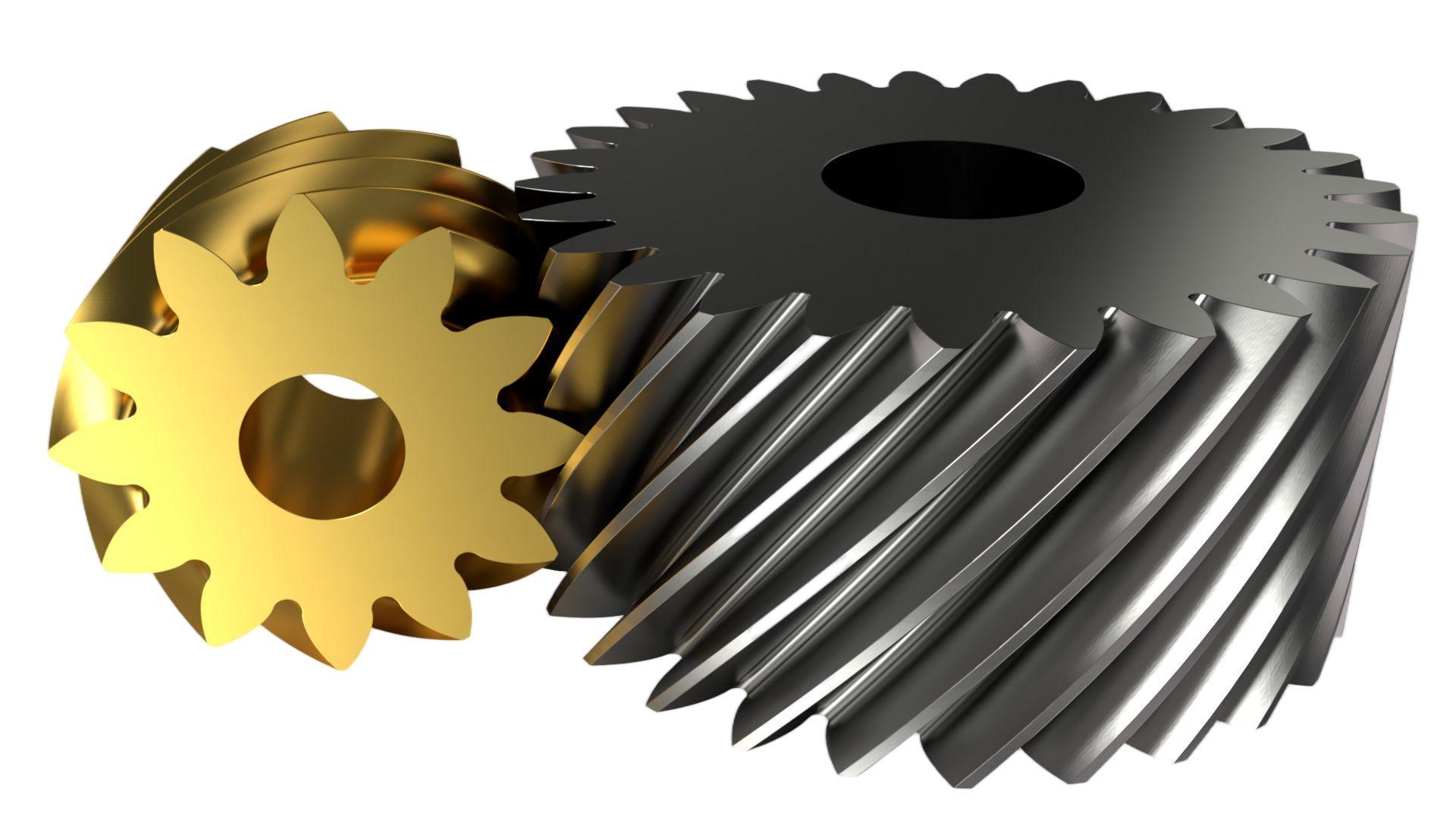
Helical, herringbone, and double helical gears are cylindrical gears for parallel shafts, and the key difference is how the helix direction is arranged and whether the gear creates axial thrust or cancels it.
3. Why is Axial Thrust Crucial to Gear Life?
Helical gears do not only "turn torque" They also push along the shaft. This axial thrust is not a small detail—it changes the whole system. RoyMech and other gear references clearly note that helical gears create axial shaft forces in addition to radial forces.
First, thrust affects bearing choice. You often need bearings that can carry both radial load and axial load. These bearings may be larger, cost more, and need more careful setup. If the bearing preload is wrong, heat and wear can rise quickly.
Second, thrust makes the gearbox more sensitive to shaft and housing stiffness. If the shaft bends or the housing moves under load, the tooth contact can shift toward one end of the face width. That "edge contact" can raise noise, increase local stress, and shorten life.
Third, thrust is tied to the helix angle. A bigger helix angle can help smooth running, but it also tends to increase thrust. Larger helix angle leads to a larger thrust (axial force).
That is why "smooth and strong" is not just a gear decision—it is a gear + bearings + housing decision.
4. Helical Gear, Herringbone Gear, and Double Helical Gear
| Item | Helical Gear | Herringbone Gear | Double Helical Gear |
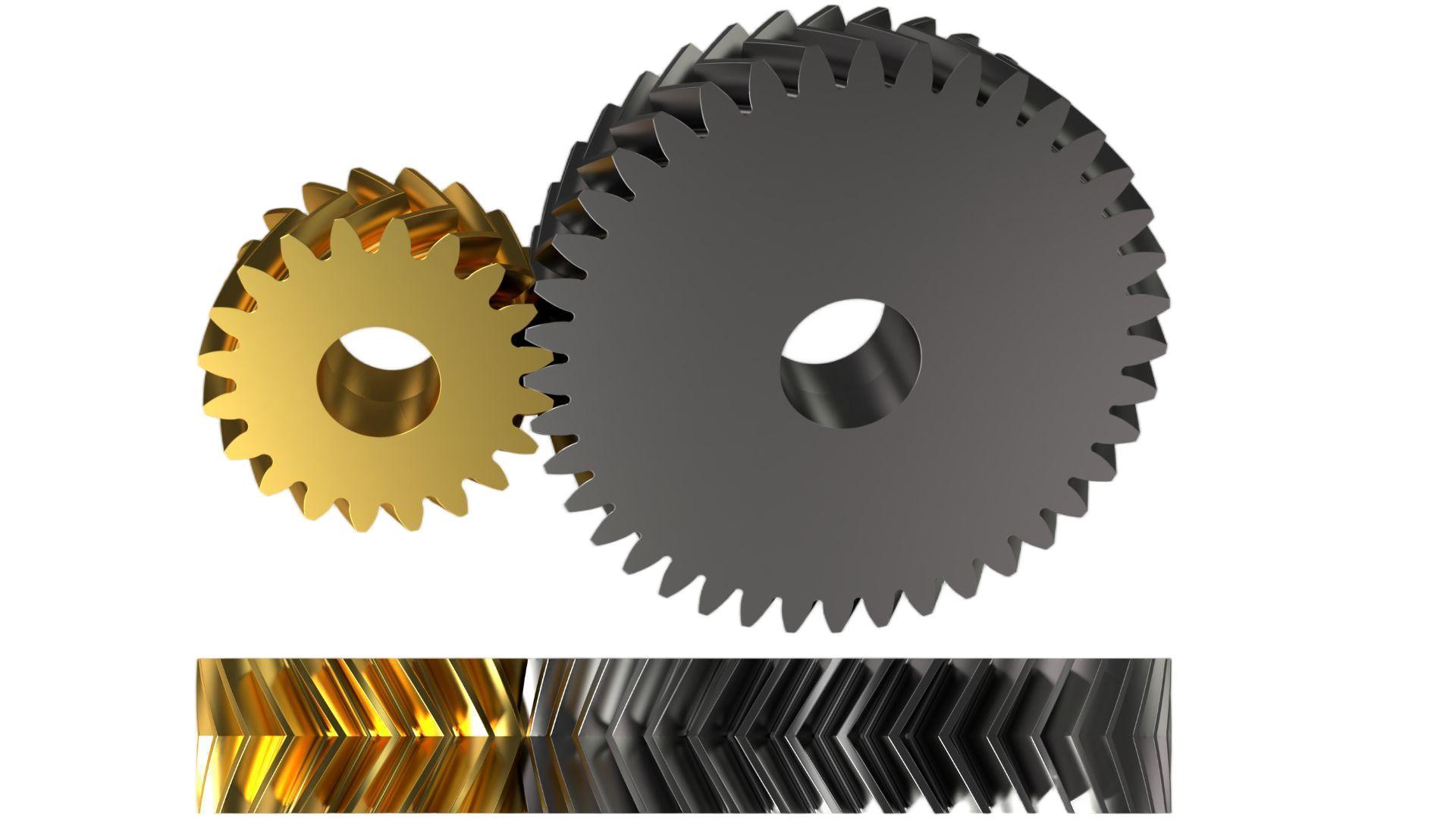
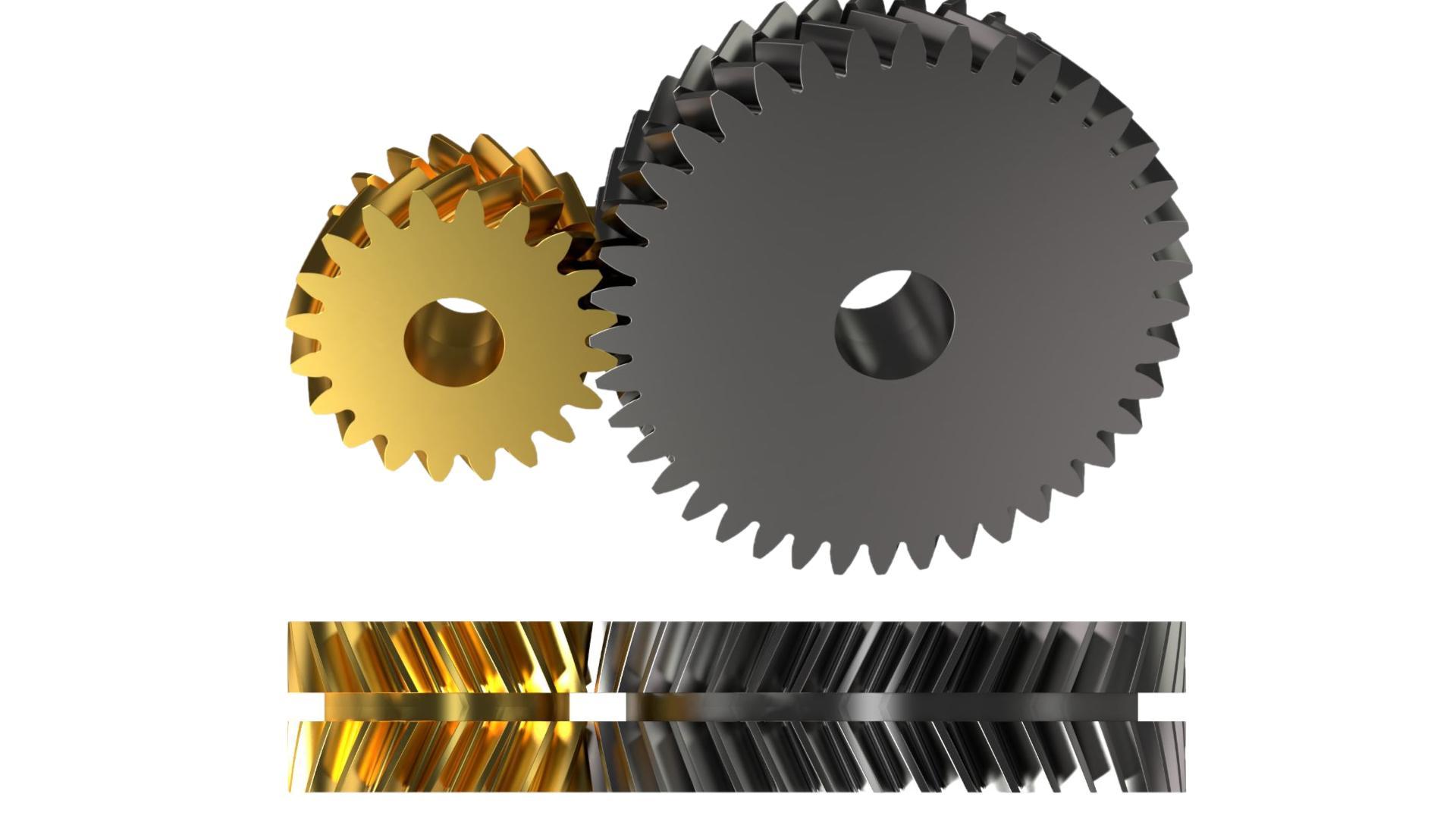
Helix layout | One helix direction (left or right) | Left + right helix in one gear, usually a continuous “V” | Left + right helix with a small center gap/relief (very common) |
| Axial thrust | Yes, must be handled by bearings/housing | Two halves create opposite thrust → cancel | Same cancel idea → net thrust near zero |
| Typical reason to use | General purpose, smooth running | High torque + want to avoid thrust bearings | Heavy duty + easier to manufacture than full herringbone |
| Manufacturing note | Standard cutting methods | Harder at the center where teeth meet | Center relief gives tool clearance, often improves producibility |
Simple takeaway:
Helical = smooth, common, but has thrust.
Herringbone / Double helical = smooth + heavy duty, and thrust cancels.
5. Where helical, herringbone, and double helical gears are used
● Agricultural machinery: long working hours, mixed loads, strong demand for stable bearing life and field reliability
● Heavy-duty truck: high torque density, long life targets, heat control matters
● Construction equipment: shock loads + long duty cycles; contact stability under load is key
● EV drivetrain: smooth running and efficiency matter; final choice depends on packaging space, noise target, and system cost
These four sectors are also the main application areas PairGears supports with custom precision gears.
6. What to control in real production
| What matters | Helical Gear | Herringbone / Double Helical | What to check in your project |
Load on bearings | Radial + axial thrust | Mostly radial load (thrust cancels) | Bearing type, preload plan, heat risk |
Effect of helix angle | More helix angle → more thrust | Higher helix angle possible without the same thrust penalty | Noise goal vs heat + life goal |
| Misalignment sensitivity | Can show edge contact if shafts/housing move | Still needs good alignment; thrust cancel helps stability | Contact pattern under load, face load balance |
| Center area design | Not needed | Continuous “V” center is hard to cut | Double helical: center gap size + transition shape |
| Inspection focus | Profile, lead, runout, and pattern | Same, plus symmetry between halves | Tooth lead/profile reports + pattern check |
A practical note about the center gap:
Many double helical gears use a center relief (gap). This is not "poor quality" It is often a tool clearance choice to make manufacturing easier and more repeatable. Wikipedia's gear entries note that herringbone gears are a special type without the middle groove, while many double helical gears include a groove.
7. What you gain from the right choice
| Your goal | Often the best fit | What you gain | Common trade-off |
| Lower cost + easy sourcing | Helical | Mature process, wide supplier base | Must manage thrust with bearings/housing |
| High torque + long continuous duty | Herringbone / Double helical | Thrust cancel helps bearing plan and stability | Higher gear complexity; tighter control needed |
| Heavy duty + production reality | Double helical | Good balance: thrust cancel + easier cutting | Center relief must be designed carefully |
Better stability under load | Herringbone / Double helical | Often steadier contact because thrust is not pushing the system | Still needs good alignment and inspection |
8. How to choose a custom gear supplier
Can they explain thrust in your gearbox, not only in theory?
Ask how thrust changes with helix angle and what bearing plan is assumed.
Do they have real experience with herringbone/double helical production?
These gears need good symmetry control. A supplier should show how they control the two helix halves and the center area.
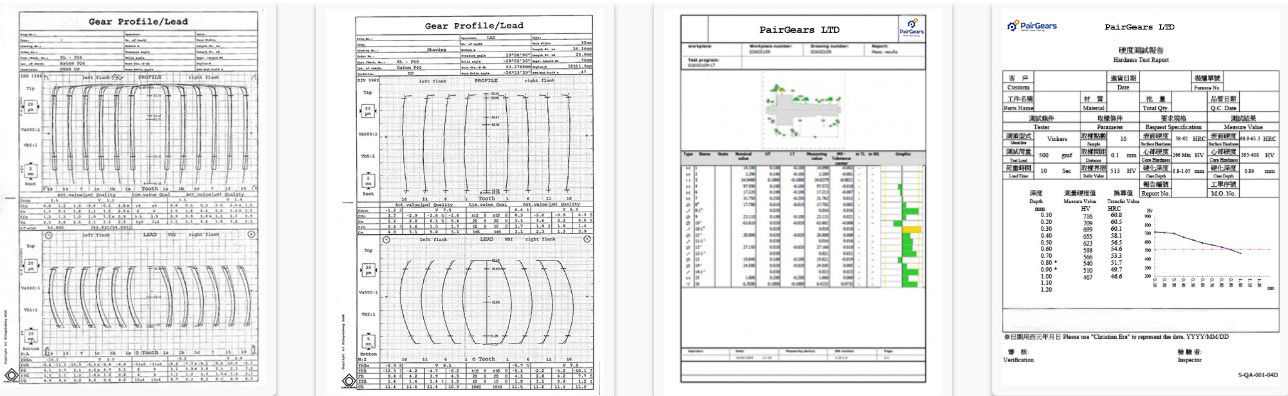
Can they provide inspection outputs you can use?
For example: tooth profile/lead, key runouts, and a contact pattern check plan. If they cannot show sample reports, risk is high.
Do they control repeatability, not only a nice sample?
Ask about batch control, inspection sampling, and what happens when results drift.
Do they speak your "duty cycle" language?
A good supplier asks: torque range, speed range, run hours, shock loads, lubrication, and temperature.
9. Why PairGears as your precision gear manufacturer
Focused industries: We work mainly with agricultural machinery, heavy truck, construction equipment, and EV drivetrain, so we understand real duty and failure risks.
Early risk check: We review thrust path, contact target, and likely alignment risks before production.
Useful quality output: We provide practical inspection results for acceptance and assembly support.
Built for batch supply: We plan for stable repeat production, not only a one-off part.
Fast, clear communication: Drawings, samples, or OEM references can move quickly into a clear quote and lead-time plan.
10. FAQ
1. Are Helical Gears Always Quieter Than Spur Gears?
Often yes, because engagement is smoother. But noise also depends on accuracy, housing stiffness, bearings, and lubrication.
2. Do Helical Gears Always Create Axial Thrust?
In normal parallel-shaft use, yes—helical gears create axial shaft forces in addition to radial forces.
3. Are Herringbone And Double Helical Gears The Same?
They use the same idea (two opposite helix hands to cancel thrust). Many double helical gears have a center groove/relief, while a classic herringbone gear may not.
4. Can I Copy A Double Helical Gear By Putting Two Helical Gears Side By Side?
Usually not. If the two halves are not aligned and timed well, load sharing becomes uneven and new problems appear. This is why purpose-made designs are preferred.
5. What Info Helps PairGears Recommend The Gear Type Faster?
Torque and speed range, duty cycle (steady vs shock), target life, center distance/space limits, lubrication method, and noise/heat goals.
11. Conclusion
Helical gears are a great everyday choice for parallel shafts because they run smoothly, but they also bring axial thrust that the system must carry. Herringbone and double helical gears reduce that thrust by design, which is why they are often used for heavy loads and long run time. References from gear guides and engineering sources describe this thrust-cancel effect and its value in high-torque, continuous duty systems.
Contact us to share your drawing , your torque/speed range, and your duty cycle. PairGears will reply with a clear gear type suggestion, the main risk points to watch, and a practical inspection plan.