Hypoid Gear vs Bevel Gear: Key Differences Explained
1. Introduction
In factory projects, customers often ask a simple question: should we use a bevel gear set or a hypoid set? In practice, the answer rarely comes down to one number. Instead, it depends on shaft layout, torque and speed, lubrication control, packaging height, and how much installation variation the system can tolerate.
PairGears custom precision gear sets for agriculture, heavy trucks, construction, and EV drivetrains. Although bevel and hypoid gears can look similar on a drawing, they differ in machining, contact-pattern tuning, assembly sensitivity, and service life. So this guide breaks down the differences to help you choose the best cost-to-risk option for your program.
2. What is the difference between a hypoid gear and a bevel gear?
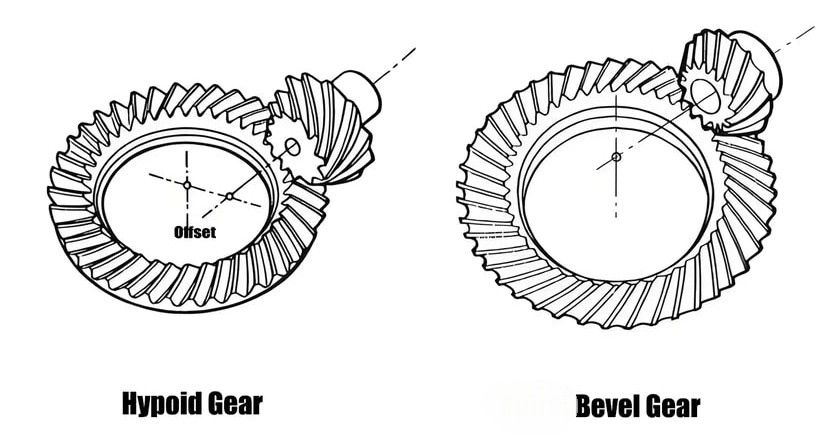
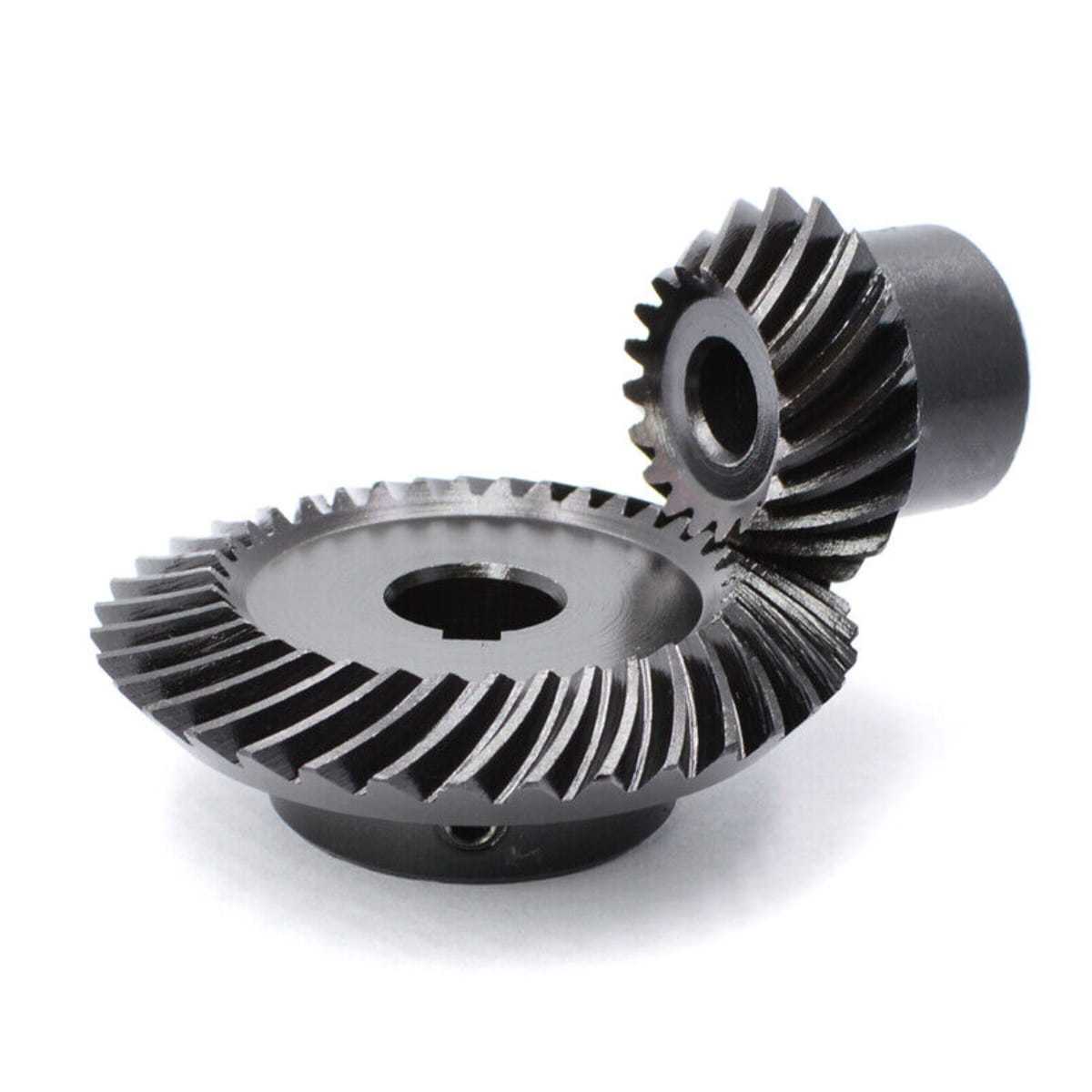
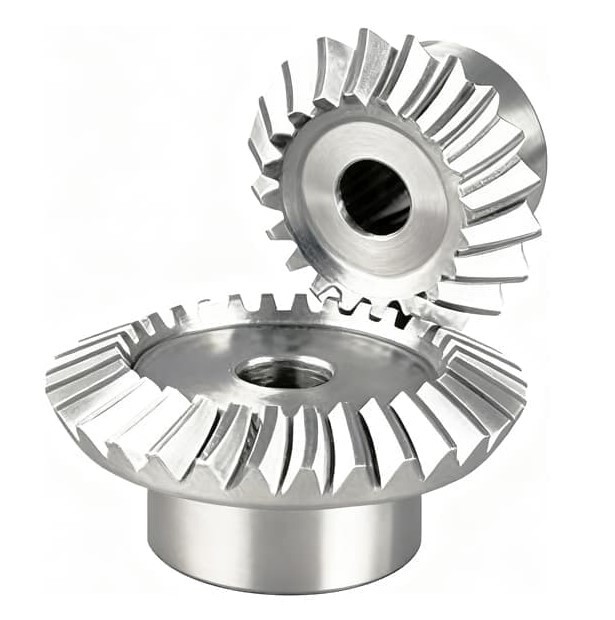
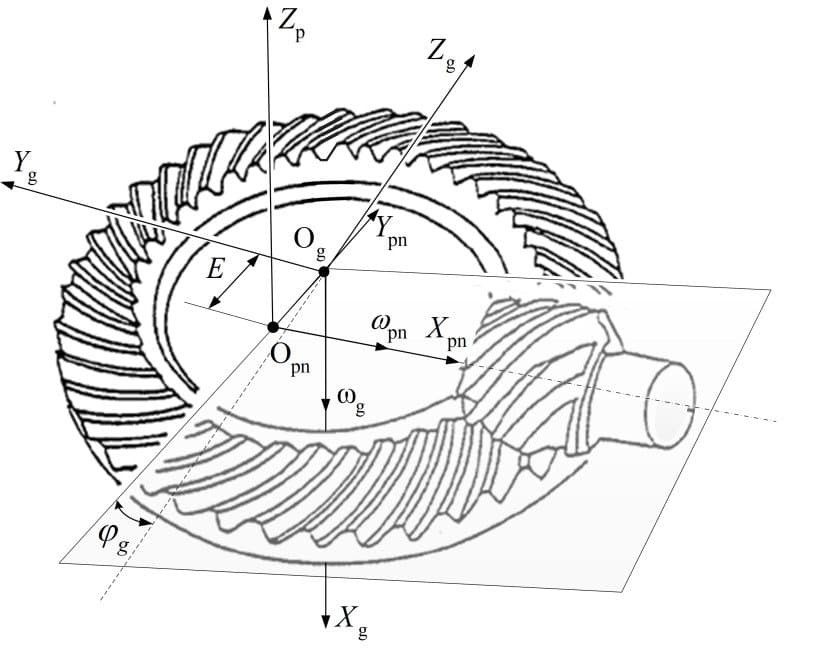
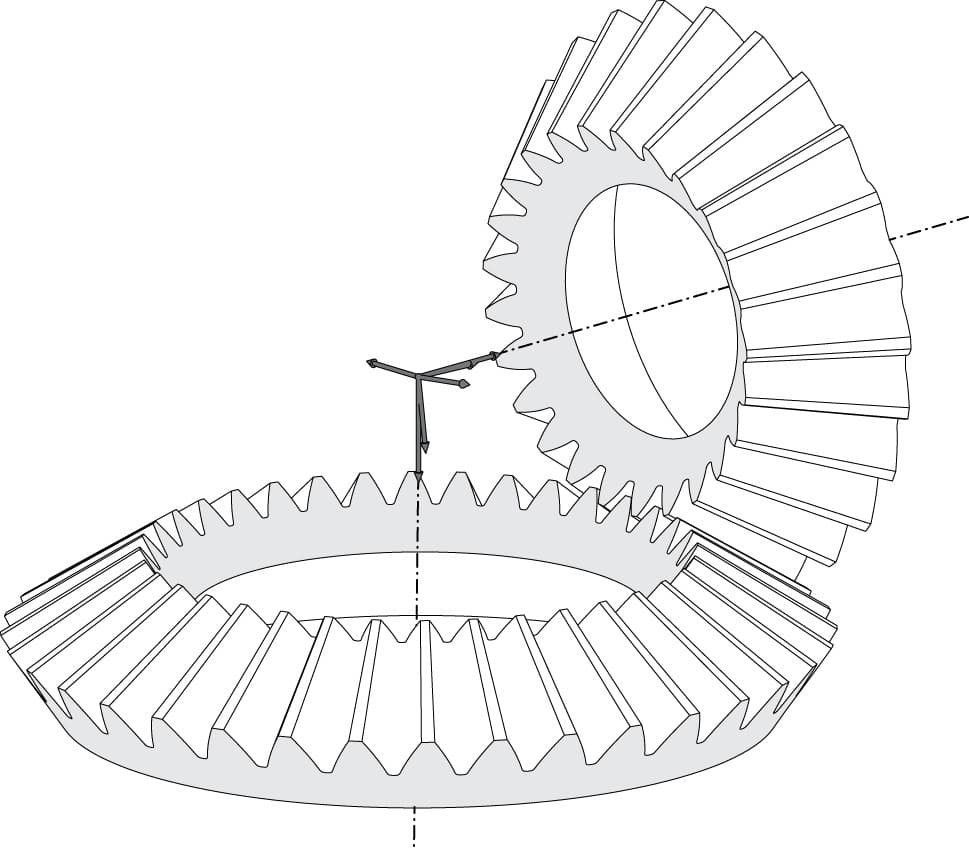
A bevel gear set links two shafts that meet at an angle. A hypoid set does the same job but with the shafts offset (they don't intersect), so the teeth slide more, the contact path is longer, and packaging is often more flexible.
3. Why this choice matters in real factory programs
The choice between hypoid and bevel is not only about geometry. It changes how the gear set is cut, heat treated, inspected, assembled, lubricated, and replaced in service. In production, this matters because a gear set that looks acceptable by size alone may still perform poorly if its contact pattern, offset assumptions, or mounting conditions are not controlled.
A standard bevel gear set usually has simpler geometry and lower sliding. That often means easier manufacturing control, simpler installation logic, and lower lubrication sensitivity. A hypoid gear set, by contrast, is usually chosen when you need more load capacity, a lower shaft position, or more layout freedom. But those benefits come with tighter demands on lubrication quality, mounting accuracy, and matched-pair control.
From a factory point of view, the real question is not which one is better, but which one controls the main risk point in this application. In some programs the risk is packaging. In others it is load, heat, efficiency, or assembly tolerance. The correct choice is the one that fits the whole system, not just the catalog description.
4. Main gear-set options to compare
| Gear-set type | Shaft relationship | Main strength | Main limitation | Typical fit |
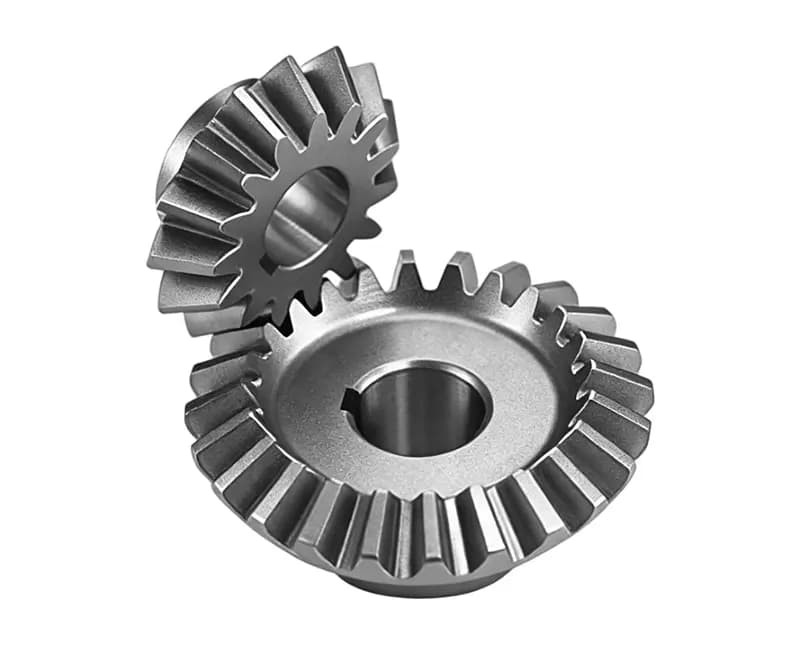
Straight bevel gear | Intersecting shafts | Simple geometry, lower cost, easier manufacturing control | Lower load capacity, more noise, less suitable for high speed | Moderate-load right-angle drives |
| Spiral bevel gear | Intersecting shafts | Smoother meshing, higher load capacity than straight bevel | Axial force, matched-pair sensitivity, more complex processing | Automotive and industrial right-angle drives |
| Zerol bevel gear | Intersecting shafts | Lower axial force than spiral bevel, smoother than straight bevel | Moderate capacity, still more complex than straight bevel | Mid-level performance needs |
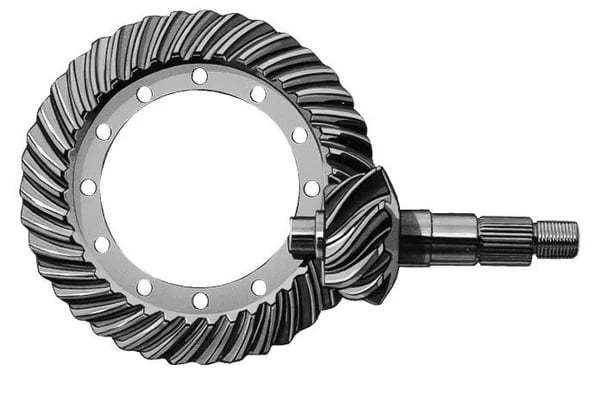
| Hypoid gear | Offset, non-intersecting shafts | Stronger load capacity, compact packaging, wider ratio flexibility | Higher sliding, lubrication sensitivity, stricter installation control | Rear axles, heavy-duty compact drives |
A useful factory rule is this: if the shafts truly intersect and the layout does not need offset, a bevel solution is usually the first comparison point. If the application benefits from a lower shaft line, higher torque density, or longer tooth contact, hypoid becomes a stronger candidate.
5. Where this comparison matters most
5.1 Agricultural Machinery
Transfer cases, axle drives, and field equipment often need strong torque delivery and practical maintenance. The decision usually depends on contamination tolerance, serviceability, and cost balance.
5.2 Heavy-Duty Trucks
Rear axle main reducers and differential-related stages are classic hypoid applications because packaging and torque density matter. Assembly accuracy and oil control are critical.
5.3 Construction Equipment
Travel reducers and heavy-duty drive stages face shock loads, dirt, and frequent torque variation. The better choice depends on whether layout flexibility or simpler maintenance is the higher priority.
5.4 EV Drivetrains
Compact packaging and stable torque transfer are important. In some cases, hypoid-like packaging advantages are attractive, but efficiency, noise behavior, and precision control must also be weighed carefully.
6. What engineers and factories actually check
| Check item | What to verify | Why it matters |
Shaft arrangement | Intersecting or offset shafts | Decides whether bevel or hypoid is appropriate |
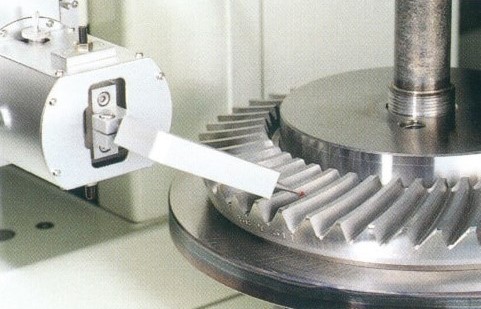
Contact pattern target | Tooth contact location under marking check | Predicts real load sharing and service stability |
Sliding level | Relative rolling vs. sliding action | Drives lubrication demand and heat behavior |
Load and torque density | Real operating torque, shock, overload frequency | Helps decide if added hypoid capacity is needed |
Installation tolerance | Mounting distance, shaft angle, offset control | Hypoid sets are especially sensitive here |
| Bearing and thrust plan | Axial force support and housing stiffness | Affects contact stability under load |
| Lubrication requirement | Oil type, film strength, contamination control | Critical for hypoid durability |
| Matched-pair traceability | Pair control in production and service | Prevents mix-up and protects repeatability |
In factory inspection, the gear set should never be judged only by tooth size or hardness. Real performance depends on the relationship between teeth, mounting datums, and contact under load. That is why matched-pair control, marking checks, and installation assumptions matter so much—especially for hypoid gears.
7. Benefits of choosing the right gear set
| Benefit | If the choice is correct | Practical result |
Better load control | Contact pattern and tooth loading match the duty cycle | Less premature pitting or breakage |
More stable assembly | Mounting assumptions fit the actual design | Less rework and fewer pattern corrections |
| Better packaging fit | Shaft layout matches space limits | Cleaner drivetrain integration |
| Lower service risk | Lubrication and replacement logic match the gear type | Fewer field surprises |
| Better total cost control | Process route matches the real need | Less waste from over- or under-specification |
From a buyer's point of view, the wrong choice creates two kinds of cost: first in production, then in service. A gear set can be expensive because it is over-designed, but it can be far more expensive if it is under-matched to the application and starts showing heat, wear, or contact problems after installation.
8. How to select a reliable hypoid or bevel gear supplier
● Start with the shaft layout and duty cycle. If the shafts intersect, bevel is the natural baseline. If the shafts are offset or packaging height is restricted, hypoid may be more practical. Share torque, speed, overload profile, and space limits early.
● Ask how the supplier controls matched-pair production. For spiral bevel and hypoid sets, matched-pair logic is essential. Ask how gear pairs are cut, finished, identified, and kept traceable through production.
● Review contact pattern capability, not just dimensions. A reliable supplier should discuss tooth contact marking, mounting distance assumptions, and how installation variation affects the final pattern.
● Check lubrication assumptions. Hypoid sets in particular require more from the lubricant. Ask what oil performance and cleanliness level the supplier expects for the service condition.
● Validate installation sensitivity before approval. The best supplier is not the one who says it can be made, but the one who explains where the gear set is sensitive and how that risk is controlled in assembly and service.
9. Why Choose Us
At PairGears, we approach hypoid and bevel projects from the perspective of real manufacturing and real service conditions, not only geometry on a drawing.
● Application-fit review for Agricultural Machinery, Heavy-Duty Trucks, Construction Equipment, and EV drivetrains
● Practical matched-pair control for gear sets that must assemble and run consistently
● Inspection planning tied to contact pattern, mounting logic, and service risk
● Manufacturable solutions that balance performance, cost, and repeatability
● Support from drawing review through repeat production
For gear sets, we pay close attention to the details that often drive failures later: offset assumptions, mounting distance logic, bearing support, lubrication sensitivity, and whether the customer will replace one gear or the full pair in service.
10. FAQ
Q1: Is A Hypoid Gear Just Another Bevel Gear?
It belongs to the bevel family in a broad sense, but in practice it behaves differently because the shafts are offset and the tooth action includes more sliding.
Q2: Which Carries More Load, Hypoid Or Bevel?
In general, hypoid gear sets can offer higher load capacity because of their contact characteristics and geometry, but they also demand stricter lubrication and installation control.
Q3: Is Bevel Gear Efficiency Always Higher Than Hypoid?
Usually bevel gear sets have slightly higher efficiency because sliding losses are lower. Hypoid gear sets often trade a small amount of efficiency for stronger packaging and load advantages.
Q4: Why Are Hypoid Gears Harder To Manufacture?
Because of their offset geometry, more complex tooth surface generation, tighter matched-pair control, and stronger dependence on contact pattern accuracy.
Q5: When Should I Avoid Choosing Hypoid?
If the layout does not need offset, lubrication control is weak, or cost and service simplicity are more important than extra load capacity, a bevel solution may be more practical.
11. Conclusion
Hypoid gears and bevel gears are both highly effective transmission solutions, but they solve different problems. Bevel gears are generally more straightforward in structure and manufacturing control, while hypoid gears offer stronger packaging flexibility, higher load capacity, and smoother load sharing when the application justifies their added complexity.
If you are comparing a hypoid gear set with a bevel gear set for a new RFQ or an existing drive problem, you are welcome to Contact Us with your drawings, gear-set layout, mounting assumptions, and operating conditions so we can help align the gear type with a practical manufacturing, inspection, and assembly plan.