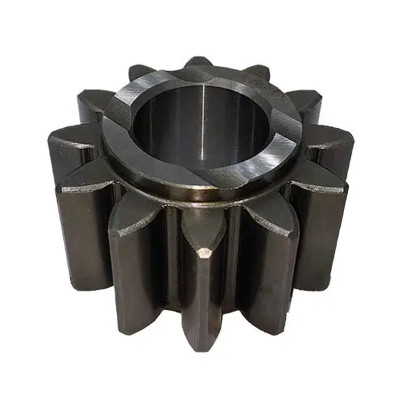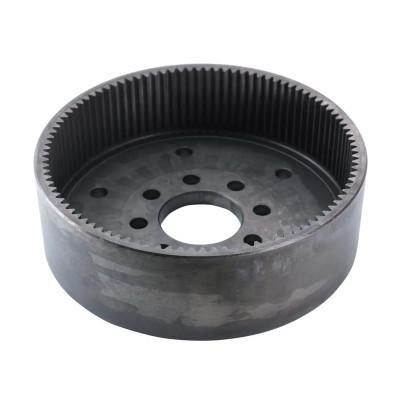
What Is Gear Cutting? Processes and Applications
1. Introduction
In agricultural machinery, heavy truck, construction equipment and electric vehicle, gears sit at the heart of the driveline. They transfer torque, control speed and keep machines working safely day after day. A drawing defines the target geometry, but only the right manufacturing route can turn that drawing into a reliable, long-life gear.
Gear cutting is a key link in that route. It covers the machining and finishing processes used to give a gear blank accurate teeth with the right surface quality and geometry. As a precision gear manufacturer and custom gear supplier, PairGears combines several cutting processes into complete process chains so each gear matches real operating conditions, not just nominal dimensions.
2. What is gear cutting?
Gear cutting is the set of machining and finishing methods used to produce gear teeth on forged, cast or bar stock blanks. These processes remove material in a controlled way so that gears can mesh correctly, share loads and transmit power between shafts.
In modern production, gear cutting usually means a combination of:
-chip-forming processes such as hobbing, shaping, milling and broaching
-abrasive processes such as gear grinding and other finishing methods
The cutting route is designed together with material and heat treatment selection, so that hardness, distortion and accuracy targets can all be met in a stable way across a full production program.
3. Main gear cutting and finishing processes
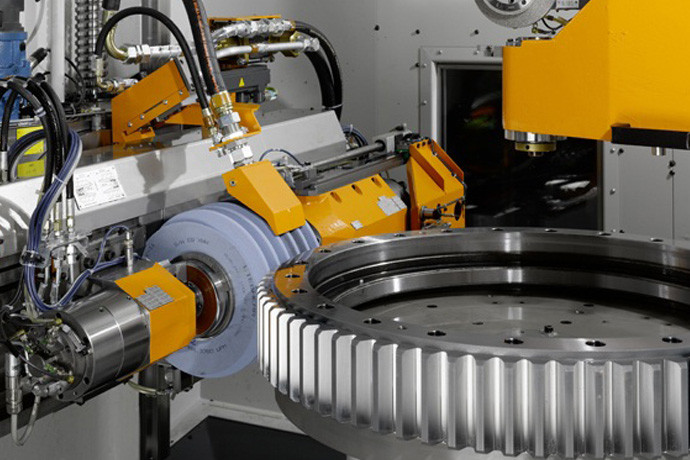
3.1 Gear grinding
Gear grinding uses an abrasive wheel to remove small amounts of material from gear teeth. It is normally done after carburizing or other hardening.
-improves profile and lead accuracy to tight tolerance classes
-reduces surface roughness and helps achieve stable contact patterns
-supports higher load capacity and more predictable long-term behaviour
Other finishing methods, such as shaving and honing, also remove small amounts of material, but grinding is the most common choice for hardened, high-precision gears. PairGears applies gear grinding to critical gears in truck axles and transmissions, heavy construction drives and selected EV reduction gears.
3.2 Gear shaping
Gear shaping uses a cutter that looks like a gear. The cutter moves up and down while the workpiece rotates in sync, gradually generating the tooth spaces.
-cuts both internal and external gears, including shoulder gears and some clusters
-works well where tool clearance for hobbing is limited
-gives good consistency for small to medium production volumes
This process is important for internal rings in planetary stages and synchronizer hubs in agricultural and truck gearboxes, and for compact internal gears in construction and EV drives.
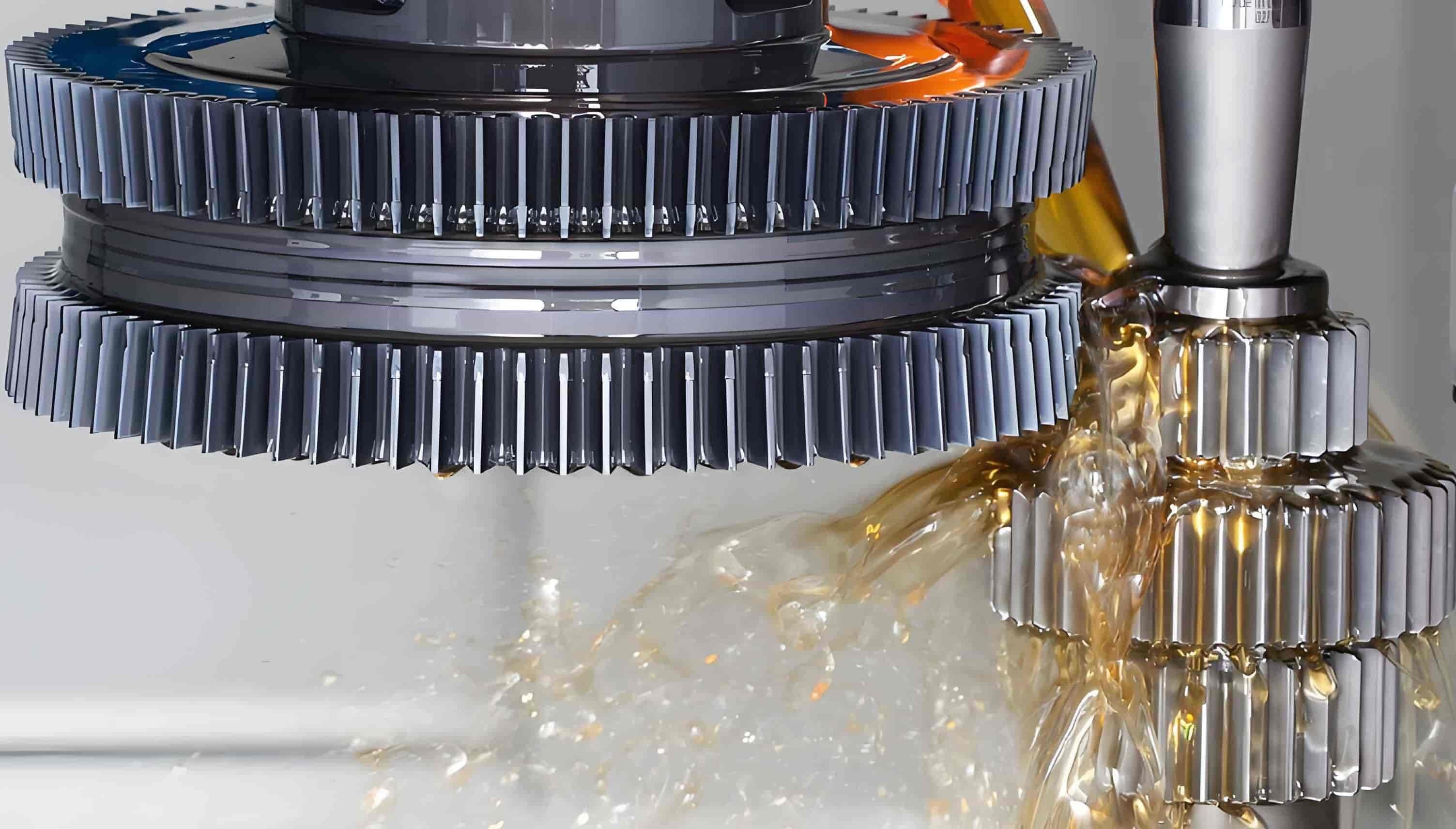
3.3 Gear broaching
Gear broaching uses a long tool with many teeth arranged in steps from roughing to finishing. The broach passes through the workpiece in one stroke and cuts the full profile.
-very high productivity for standard internal gears and splines
-high repeatability once the broach and fixtures are developed
-tooling is specific to a geometry, so best suited to long-running, high-volume programs
Broaching is widely used for hubs, couplings and other parts where the same internal profile is needed across many components.
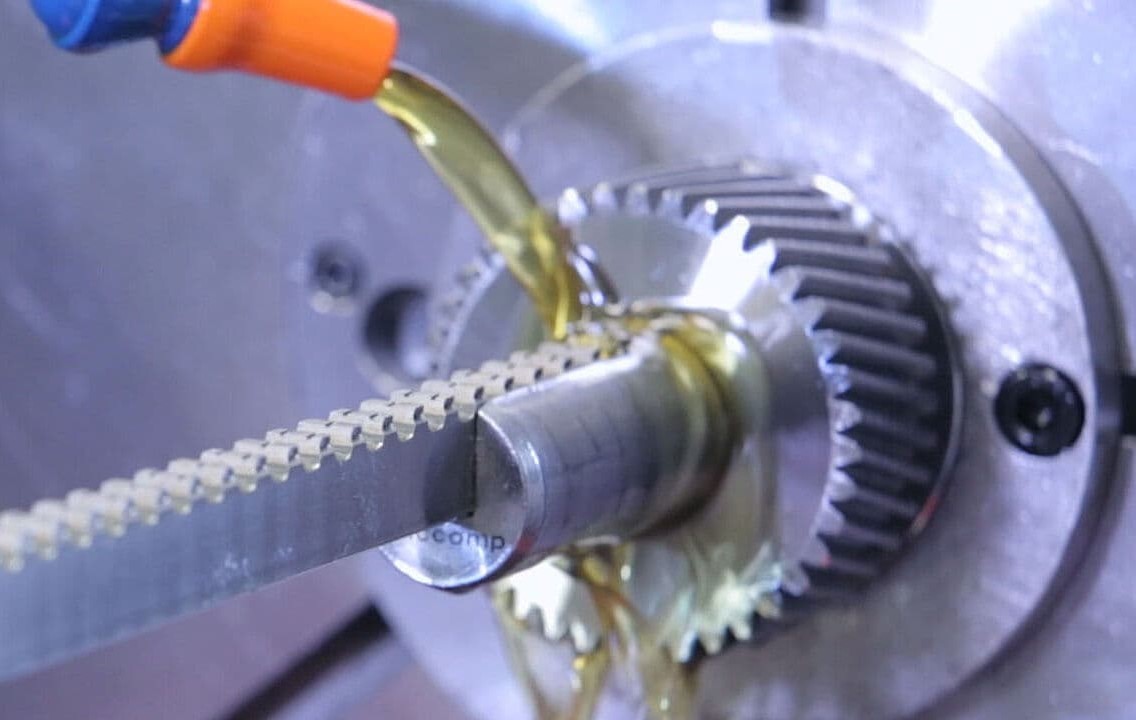
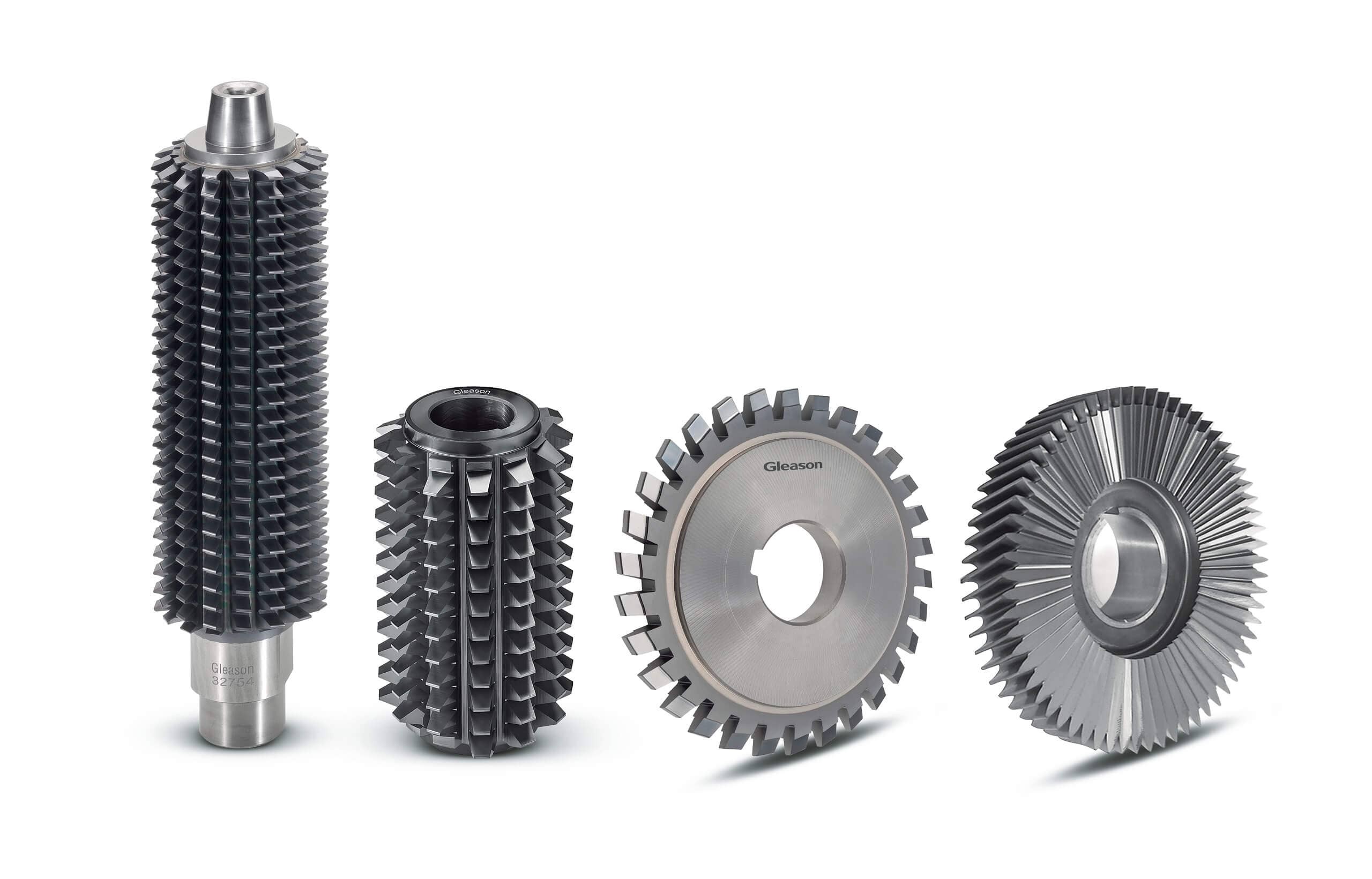
3.4 Gear hobbing
Gear hobbing uses a rotating multi-tooth cutter called a hob. The hob and gear blank rotate together in a fixed ratio to generate the tooth profile by continuous cutting.
-ideal for external spur and helical gears, and some worm wheels
-efficient and cost-effective across a wide size and module range
-can reach good base accuracy, often used as pre-grind cutting for critical gears
PairGears relies on hobbing for many external gears used in tractor transmissions, heavy-truck gearboxes, construction equipment reducers and EV driveline gears.
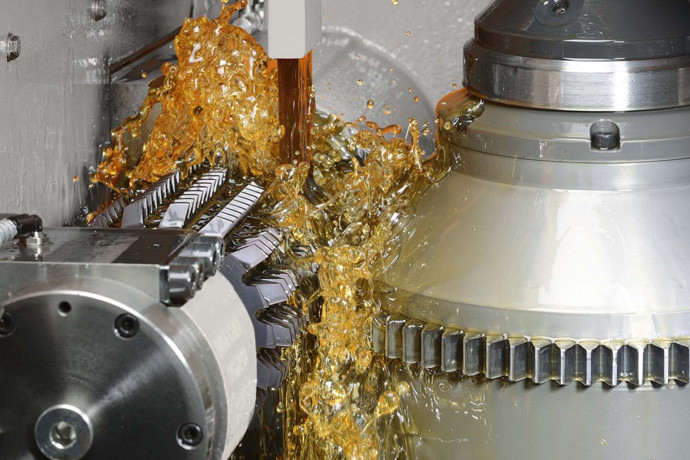
3.5 Gear milling
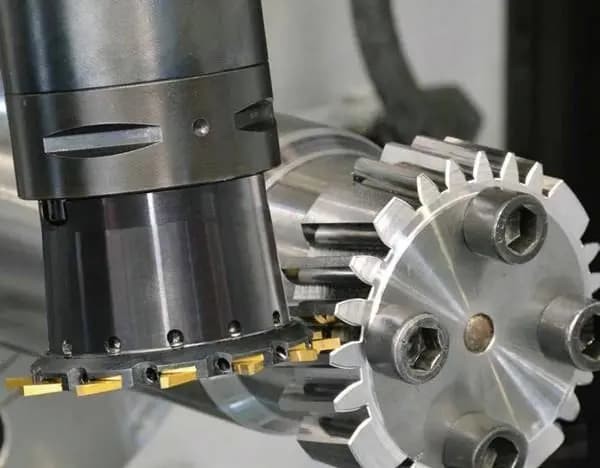
Gear milling uses standard milling machines or machining centres with special form cutters or tool paths to cut each tooth space individually.
-flexible and economical for prototypes and low-volume custom gears
-useful when tooth profiles change frequently or quantities are too small for dedicated hobs or broaches
-slower than continuous processes such as hobbing, but very helpful during development and for complex shapes
At PairGears, gear milling is often used in early project stages and for special parts that do not justify dedicated tooling but still require controlled geometry.
4. Gear types and typical cutting methods
Different gear types often favour different cutting methods. The table below summarises some common combinations and how they link to real applications at PairGears.
| Gear type | Typical cutting methods | Typical PairGears applications |
Spur gears | Hobbing, milling, broaching | Tractor gearboxes, truck transmissions, general machinery drives |
Helical gears | Hobbing + grinding | Truck gearboxes, EV reduction gears, industrial reducers |
| Bevel / spiral bevel | Special cutting + grinding | Axle final drives, differentials, angle drives |
| Worm gears and wheels | Hobbing, milling, grinding | Positioning drives, auxiliary drives, lifting and adjustment units |
| Internal ring gears | Shaping, broaching, skiving | Planetary carriers, slewing drives, compact reduction stages |
These are not strict rules, but they are good starting points when choosing the cutting route for a new gear. Final decisions depend on module, size, material, accuracy class and volume.
5. How engineers choose a gear cutting process
When PairGears engineers review a new gear, they look at more than the tooth count and module. Typical decision factors include:
Gear type and geometry
1. internal vs external, spur vs helical, bevel vs worm
2. shoulder positions, required hub features and tool access space
Production volume and life cycle
1. prototypes and small batches favour flexible processes like milling or shaping
2. stable, high-volume parts favour hobbing or broaching with optimised tooling
Material and heat treatment
1. alloy grade, case depth and target hardness
2. expected distortion during heat treatment and allowed stock for grinding
Accuracy and running noise targets
1. standard industrial gears may be cut to size with limited finishing
2. high-precision, low-noise gears are usually cut, hardened and then ground
Cost, lead time and platform strategy
1. total project cost depends on both tooling investment and piece price
2. for long-running truck or EV platforms, investing in optimised cutting and grinding routes is often worthwhile
For example, a high-volume truck gearbox gear may use hobbing plus carburizing and grinding to meet life and accuracy targets. A low-volume gear in a construction machine may be milled and induction hardened without grinding if the tolerance window allows.
6. Gear cutting in PairGears'four focus sectors
Because PairGears focuses on four main sectors, gear cutting routes are always selected with real applications in mind:
6.1 Agricultural machinery
-gears in tractors, harvesters, seeders and implements
-require robust teeth that handle shock loads, dirt and seasonal operation
-often made by hobbing, carburizing and grinding for key transmission stages
6.2 Heavy truck
-gearbox gears, synchronizer components, differential gears and axle parts
-see long mileage, high torque and strict safety expectations
-rely on hobbing or shaping as base cutting, followed by heat treatment and grinding on critical gears
6.3 Construction equipment
-planetary gears, sun gears, carriers and internal rings in travel and swing drives
-exposed to high torque, variable loading and frequent reversals
-use shaping and broaching for internal profiles, hobbing for external gears, plus suitable finishing
6.4 EV system
-compact reduction gears and shafts in e-axles and electric drive units
-need high efficiency, smooth running and tight packaging
-typically use hobbing as a pre-cut step and gear grinding for final tooth accuracy
Across these programs, PairGears designs gear cutting routes that balance performance, cost and manufacturability while keeping future scaling and platform changes in view.
7. Conclusion
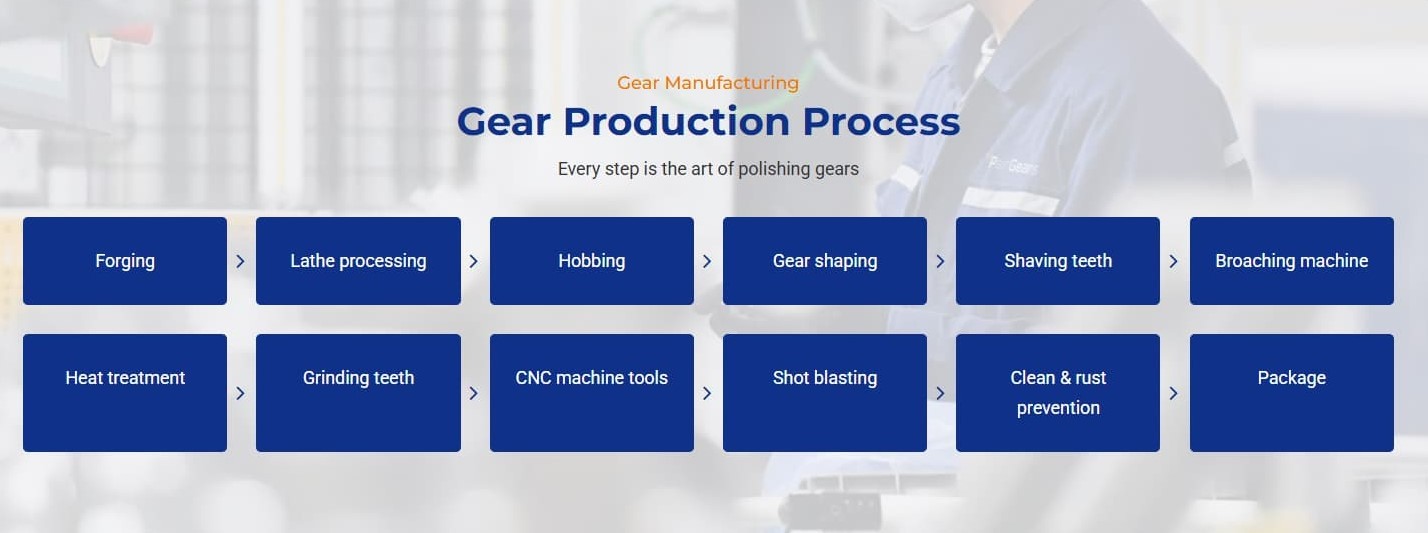
Gear cutting is not a single method but a family of processes that turn blanks into precise, load-bearing gears. Grinding, shaping, broaching, hobbing and milling each play a different role, from flexible prototyping to high-volume series production and high-precision finishing.
As a precision gear manufacturer and custom gear supplier, PairGears designs and controls complete gear cutting routes around your drawings, samples and operating data. If you are planning or updating gears for agricultural machinery, heavy trucks, construction equipment or EV systems, Contact Us to Share your requirements, and we will help you define a cutting and finishing process that fits your application and program targets.
FAQ: Gear Cutting Basics
Q1: Why do many gears need both gear cutting and gear grinding?
Soft gear cutting methods such as hobbing, shaping, milling or broaching are used first to generate the tooth form and allow for heat-treatment distortion. After hardening, gear grinding removes a small amount of material to correct distortion and improve profile, lead and surface finish so the gear can meet its final accuracy, noise and life targets.
Q2: How do you choose between hobbing, shaping and broaching?
We choose based on gear geometry, internal or external teeth, required accuracy and volume. External spur and helical gears are usually hobbed; internal gears and shoulder gears are often shaped or broached; long-running standard internal profiles may justify a dedicated broach.
Q3: Can one gear go through more than one cutting or finishing process?
Yes. A common route is hobbing or shaping to generate the teeth, heat treatment to achieve hardness, and gear grinding to reach the final accuracy and surface finish. Finishing methods such as shaving or honing can also be used where appropriate.
Q4: What information does PairGears need to design a cutting process for my gear?
Useful inputs include drawings or samples, gear type (internal or external), module, tooth count, accuracy target, material and heat treatment requirements, expected torque and speed, duty cycle, annual volume and the target sector (agricultural, truck, construction or EV).