Gear Tooth Count: How Many Teeth Should You Use?
1. Introduction
When people ask "How many teeth should this gear have?", they often expect a quick number. In real projects, tooth count affects far more than ratio. It influences gear size, root strength, undercut risk, load sharing, and how repeatable the build is across batches.
At PairGears, we manufacture custom precision gears and gear sets for Agricultural Machinery, Heavy-Duty Trucks, Construction Equipment, and EV drivetrains. This guide explains how to choose tooth count in a practical way—starting from your system needs and working backward to a manufacturable, repeatable gear design.
2. What is gear tooth count
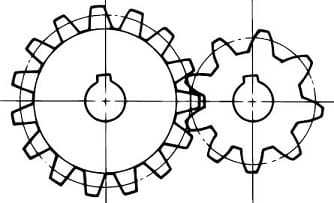
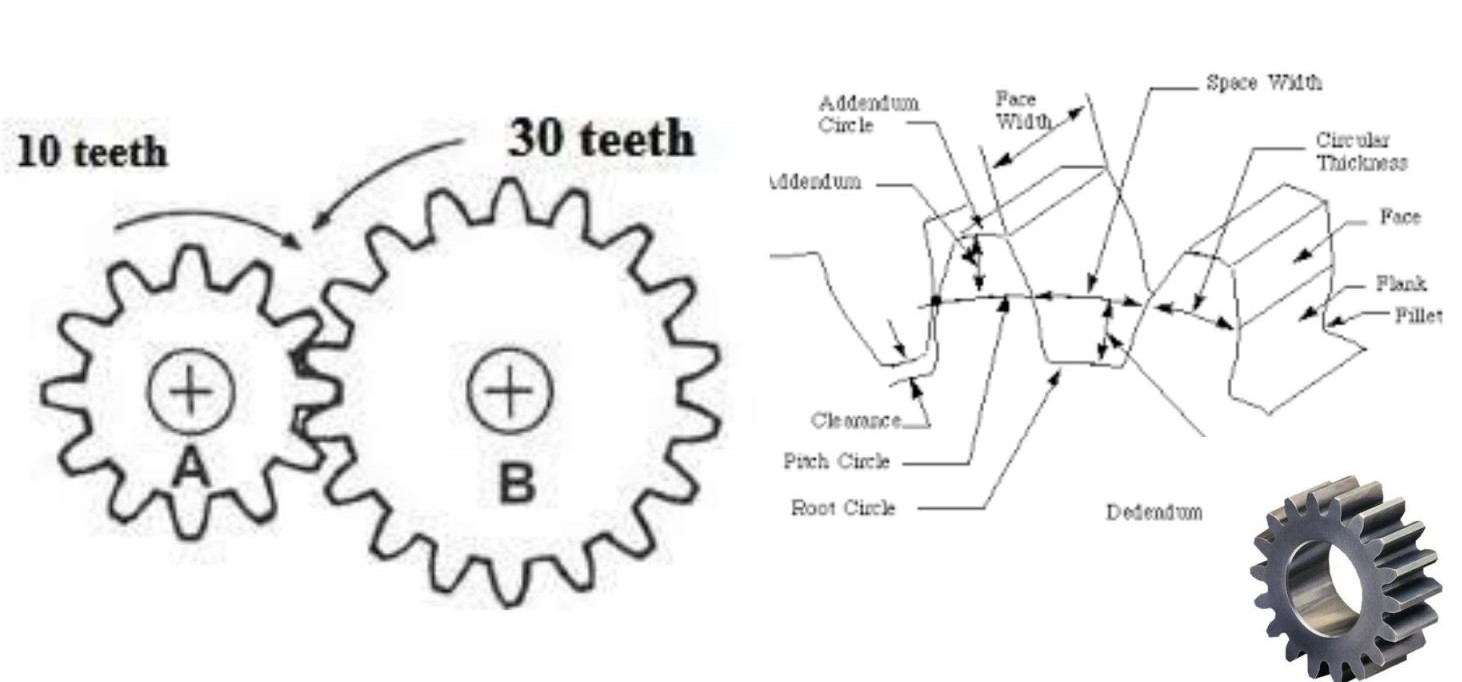
Gear tooth count is the number of teeth on a gear, and it directly defines the ratio, geometry, and key strength limits of a gear pair.
3. Why tooth count matters
First ask "Is tooth count really the problem?"
In many redesigns, teams change material or heat treatment first, but performance and durability can still miss the target if tooth count creates a geometry problem (for example, undercut or a very thin root).
Then ask "Why does tooth count change so much?"
Because the same ratio can be achieved with many tooth count combinations, and each combination changes:
● Size and packaging: tooth count links to pitch diameter and center distance.
● Strength and durability: tooth count influences root thickness and contact conditions.
● Manufacturing risk: very small tooth counts can trigger undercut and sensitivity to process variation.
In short, a good tooth-count choice reduces design risk before you spend time optimizing materials and processing.
4. Common ways to select tooth count
| Tooth-count selection approach | What it means | When it's used | Main watch-outs |
| Ratio-first | Choose z₁ and z₂ to hit ratio i = z₂/z₁ | Early concept design | Can overshoot packaging or undercut limits |
| Center-distance-first | Choose tooth counts to meet a fixed center distance with a chosen module | Existing housings, retrofits | May force non-ideal tooth counts or require profile shift |
| Strength-first | Increase tooth count (or module) to gain root thickness and durability | Heavy load or long life | Bigger size or higher cost may result |
Manufacturability-first | Choose tooth counts that avoid undercut and keep tooling practical | High repeat orders | Might slightly change ratio options or packaging |
5. Where tooth count matters in real machines
Agricultural machinery teams: need durability under mixed loads and long duty cycles; tooth count impacts root strength and service life.
Heavy-duty truck programs: value stable performance across batches; tooth count choices can reduce sensitivity to assembly variation.
Construction equipment designers: face shock loads and frequent start/stop; tooth count affects crack risk and reliability.
EV drivetrain projects: focus on compact layouts and efficient torque transfer; tooth count impacts packaging, strength margin, and repeatability.
6. Key design checks tied to tooth count
| Factor | How it connects to tooth count | Why it matters |
| Gear ratio(i) | i = z₂ / z₁ | Defines speed and torque change between stages |
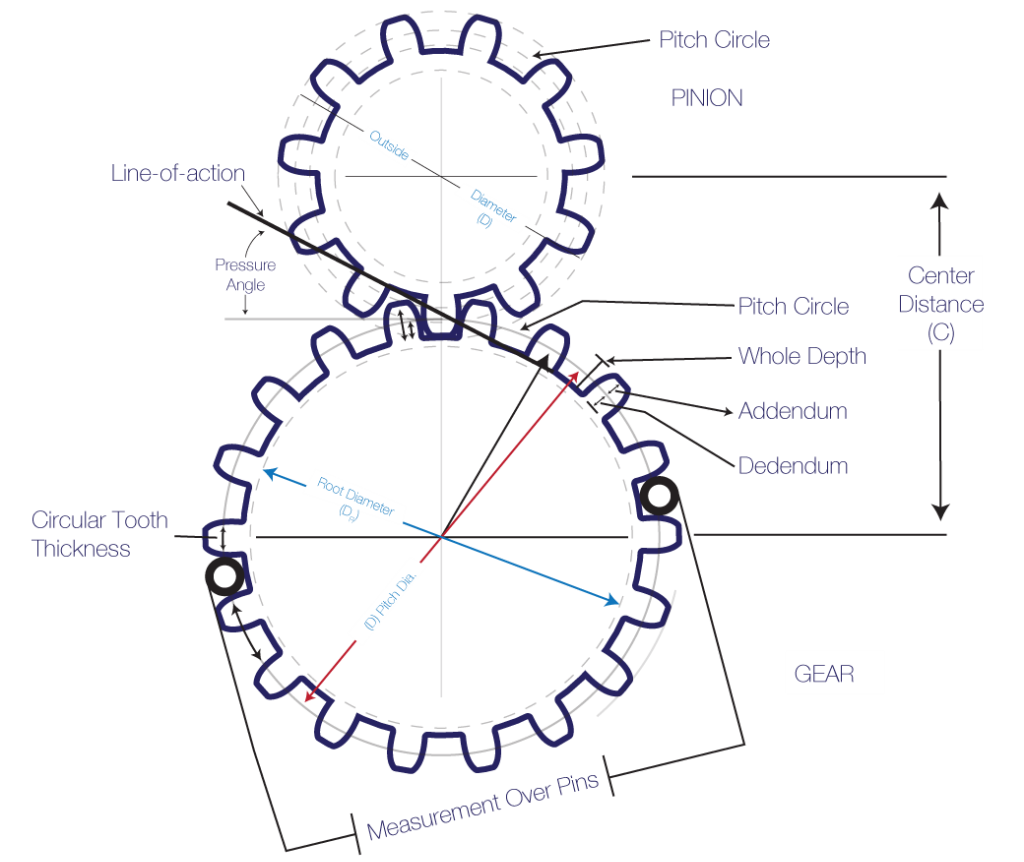
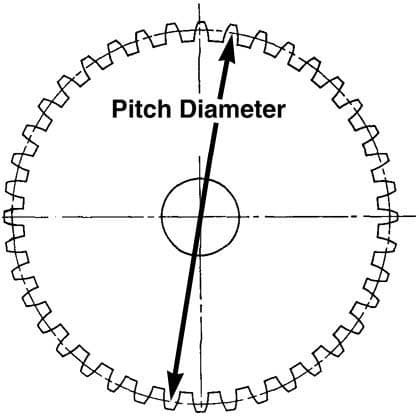
| Module (m) / gear size | Pitch diameter d ≈ m × z | Tooth count controls diameter and packaging |
Undercut risk (small z) | Very low tooth count can undercut standard involute teeth | Undercut weakens the tooth root and reduces durability |
Root thickness and strength | More teeth (at same module) changes geometry and strength margin | Helps avoid root fatigue and tooth breakage |
Contact behavior and load sharing | Tooth count influences how teeth engage and share load | Affects repeatability and long-life stability |
Profile shift (if used) | Can help avoid undercut or tune geometry without changing ratio | Useful when packaging is fixed but durability must improve |
Manufacturing practicality | Extreme tooth counts may increase tooling and process sensitivity | Affects cost, lead time, and batch consistency |
Before finalizing tooth counts, run these checks to avoid geometry and durability surprises:
• If center distance is fixed, consider profile shift instead of forcing extreme tooth counts
• Validate tooth root and surface durability against your duty cycle using recognized rating methods (ISO 6336).
• Define gear accuracy and inspection targets for repeatability across batches (ISO 1328).
• Align a manufacturable process route early (PairGears Gear Cutting Guide).
7. A practical step by step workflow
Step1 Start with the gear ratio
For a simple gear pair:
● Gear ratio: i = z₂ / z₁
Many combinations can hit the same ratio. For example, 18/54 and 20/60 both give i = 3. But they do not behave the same in strength, packaging, or risk.
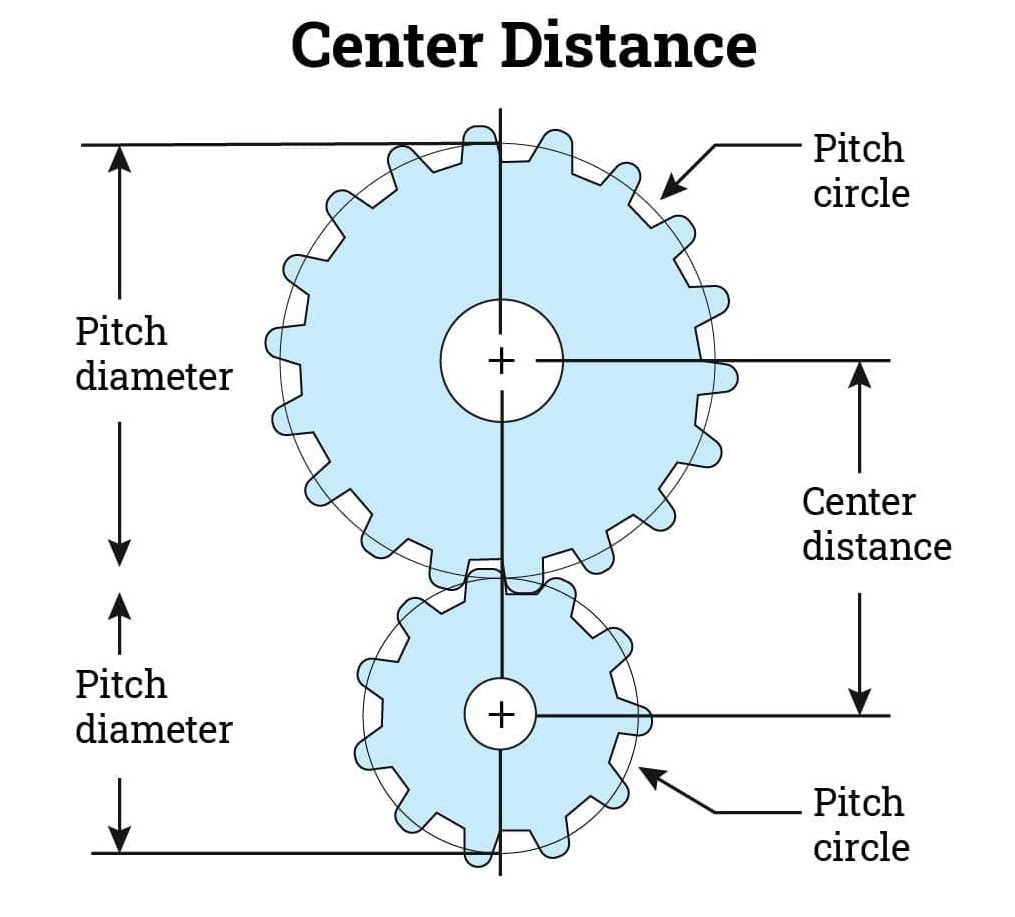
Step2 Check size and center distance
For spur or helical gears (basic approximation):
● Pitch diameters: d₁ ≈ m × z₁, d₂ ≈ m × z₂
● Center distance: a ≈ (d₁ + d₂) / 2 ≈ m × (z₁ + z₂) / 2
If center distance is fixed by your housing, tooth count becomes a tight constraint. In many retrofit projects, this is the real reason tooth count "must" change.
Step3 Avoid risky tooth counts
A common trap is choosing a very small pinion tooth count to get high ratio in one stage. Small tooth counts can cause:
● Undercut (weaker root)
● Higher sensitivity to misalignment and variation
● A narrower safe operating margin
If ratio requires a very low tooth count on the pinion, you may consider alternatives such as adjusting stage count, using profile shift, or revisiting module and face width.
Step4 Match tooth count to the duty cycle
Tooth count is not chosen in isolation. A practical design check asks:
● Is your load mostly steady or does it include shock?
● Is your target life long and repeatable across batches?
● Is the gear part of a serviceable assembly with strict packaging?
The "best" tooth count is the one that meets your ratio and packaging targets while controlling the main risk point of your project (root fatigue, surface durability, or repeatability).
8. Benefits of the right tooth count
| Benefit | What improves | Project impact |
| Higher durability margin | Better root strength and less geometry-driven weakness | Fewer early failures and rework |
| Stable packaging | Size and center distance fit the design intent | Fewer redesign loops |
| Lower manufacturing risk | Avoids sensitive tooth geometries | Better batch-to-batch consistency |
Clearer supplier alignment | Requirements are measurable and explainable | Faster quoting and fewer assumptions |
Better overall cost control | Less scrap and fewer iterations | More predictable lead time |
9. Supplier tips for a reliable decision
● Confirm your must-have constraints first: ratio, center distance, and space limits decide what tooth counts are feasible.
● Ask about undercut and geometry risk: a good supplier will flag risky tooth counts early and propose realistic options.
● Share the duty cycle, not only the drawing: torque range, shock load, and life target guide tooth-count and geometry choices.
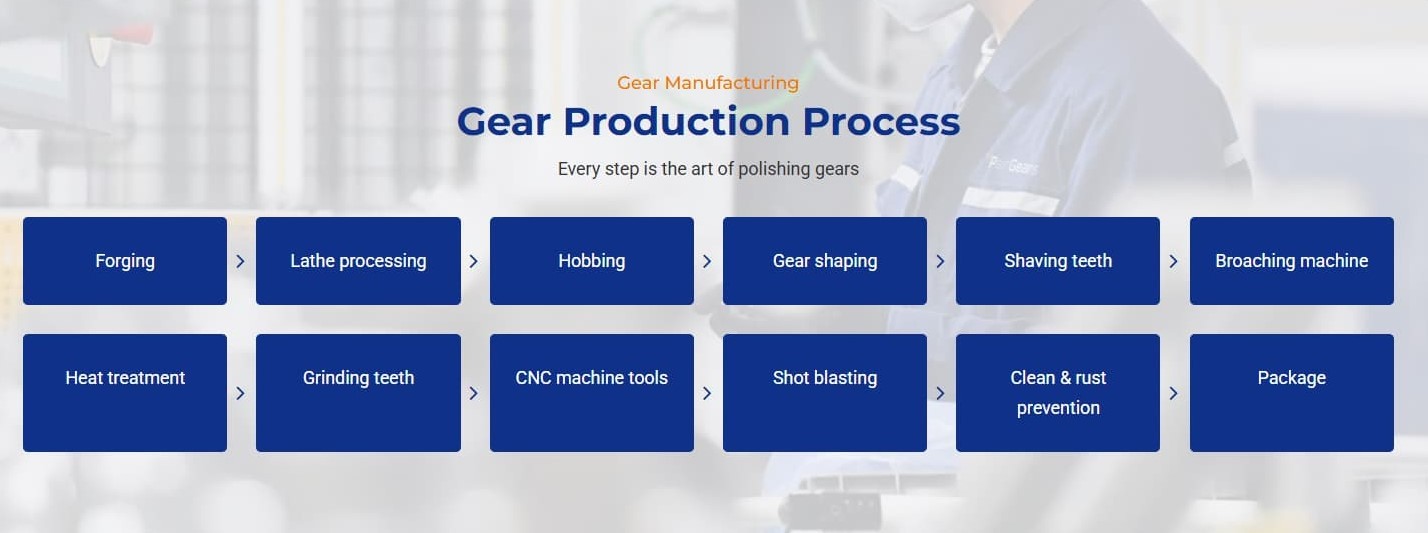
● Check manufacturability for repeat orders: stable tooling, inspection planning, and process control matter as much as the nominal design.
● Keep changes traceable: if tooth count changes, confirm what else must change (module, center distance, profile shift, or mating gear).
10. Why choose PairGears
● We support gear programs across Agricultural Machinery, Heavy-Duty Trucks, Construction Equipment, and EV drivetrains.
● We evaluate tooth count together with packaging and duty cycle so designs stay practical and repeatable.
● We focus on manufacturable routes and controlled risk points—not just "hitting a ratio".
● We can review a drawing, sample, or OEM reference and propose a feasible combination for repeat production.
11. FAQ
Q1: Can I choose tooth count just from the ratio?
Ratio is the starting point, not the finish. Packaging, undercut risk, and durability must also be checked.
Q2: Why do small pinion tooth counts cause problems?
Very small tooth counts can weaken tooth roots (undercut) and increase sensitivity to variation, reducing durability.
Q3: If center distance is fixed, what options do I have?
You can adjust tooth counts with module, consider profile shift, or revisit stage layout—depending on constraints.
Q4: Does tooth count affect repeatability across batches?
Yes. Risky geometries are less forgiving, so small variation can show up as performance scatter from unit to unit.
Q5: What information should I send for a quick review?
Send your ratio target, center distance or packaging limits, torque/speed range, duty cycle (steady vs shock), plus a drawing/sample/OEM number.
12. Conclusion
Tooth count is more than a ratio number. It shapes gear size, root strength, and key geometry risks that can decide whether your design is durable and repeatable. Start by locking your system priorities—ratio, center distance, and duty cycle—then choose tooth counts that meet those targets with controlled manufacturing risk.
If you have a drawing, sample, or OEM number, Contact Us, and we can help you validate tooth-count options, flag geometry risks early, and propose a practical route for repeat production.