How to Choose the Number of Teeth on a Gear
1. Introduction
Choosing the number of teeth on a gear looks simple until the real project constraints appear. A ratio target may point to one answer, but packaging, strength, speed, noise, and manufacturing limits often point somewhere else. That is why gear tooth count is rarely decided by ratio alone.
At PairGears, we manufacture custom precision gears and gear sets for Agricultural Machinery, Heavy Truck, Construction Equipment, and EV drivetrains. In production, tooth count must be reviewed together with module or DP, pressure angle, center distance, accuracy grade, and duty cycle. This guide explains how to choose gear tooth count from a practical engineering and sourcing perspective.
2. What is gear tooth count
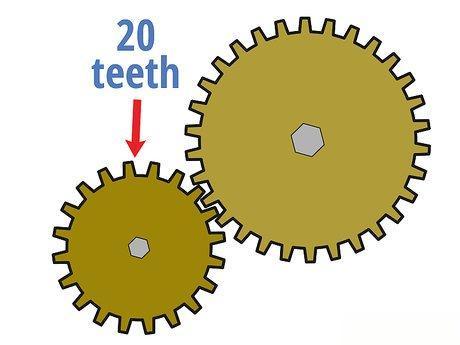
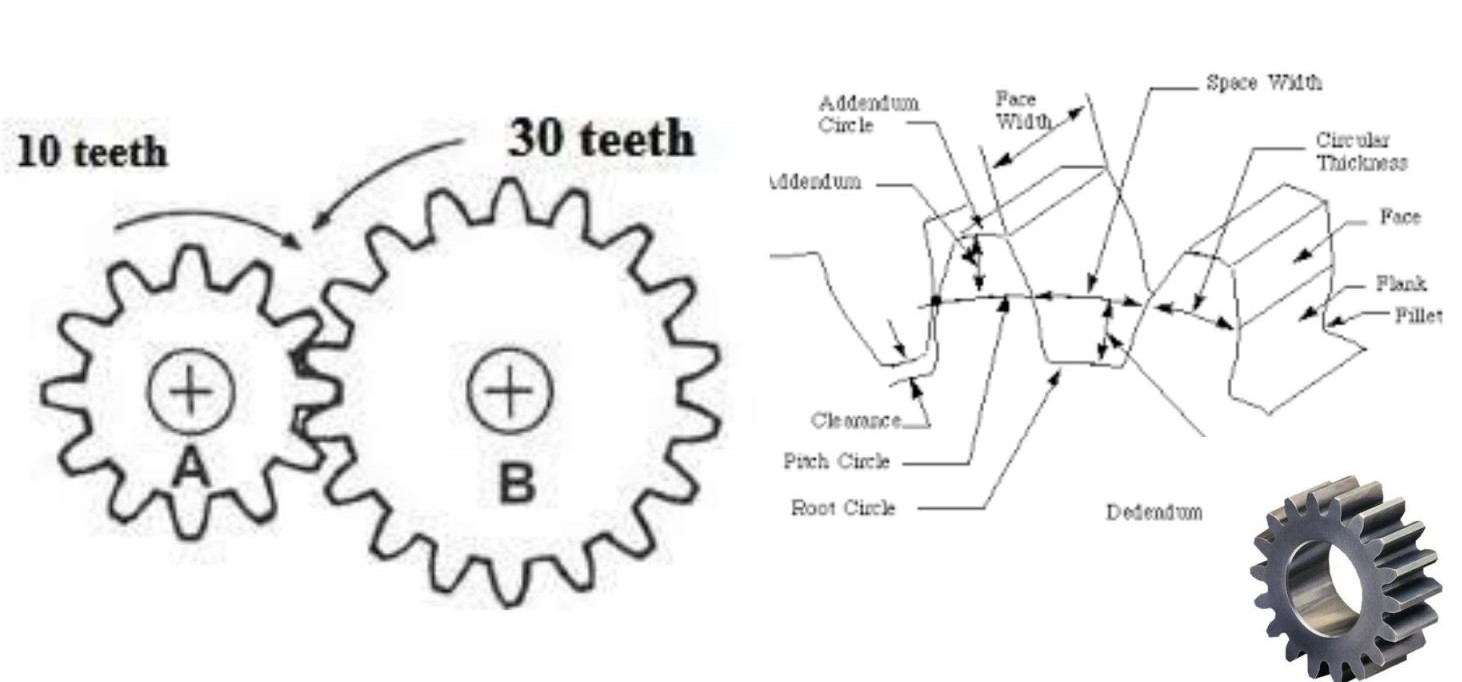
Gear tooth count is the total number of teeth on a gear, and it is one of the core parameters that defines ratio, pitch geometry, size, and load behavior.
3. Why tooth count matters more than it seems
Tooth count directly affects transmission ratio, but that is only the starting point. A change in tooth count also changes tooth thickness relationships, contact behavior, and the strength margin available at the tooth root. Two gears can therefore deliver the same ratio on paper while behaving very differently in service.
More teeth usually mean finer teeth and smoother running, which is useful in higher-speed or lower-noise applications. Fewer teeth usually mean larger, thicker teeth and stronger roots, which is often attractive in heavier-load or impact-prone duty. The correct choice depends on what the application values most.
In factory programs, tooth count also affects manufacturing practicality. Certain combinations make it easier to stay within housing limits, use standard tooling, and maintain interchangeability across repeat orders. Others may meet the ratio target but create unnecessary cost, size, or sourcing risk.
4. Main ways tooth count is selected in practice
| Selection basis | What it means | Best fit | Watch-outs |
Ratio-first selection | Tooth count chosen mainly to hit the target ratio | Basic reducer or single-stage transmission design | Can miss strength, noise, or packaging issues |
Strength-first selection | Tooth count chosen to improve tooth root thickness and load capacity | Heavy-load and shock-load applications | May increase gear size and weight |
| Smoothness-first selection | Higher tooth count used to improve running smoothness and reduce noise | High-speed or precision systems | Finer teeth may reduce strength margin |
| Standardization-first selection | Tooth count aligned with standard module/DP, tooling, and stock strategy | Cost-sensitive repeat production | May limit optimization freedom |
| Space-first selection | Tooth count adjusted to fit center distance and housing limits | Compact drivetrains and tight layouts | May force trade-offs in strength or noise |
In practice, engineers rarely use only one of these paths. A practical design usually combines several of them, then checks whether the chosen tooth count still makes sense for the duty cycle and manufacturing route.
Tooth count can't be treated in isolation. Two designs can share the same ratio yet behave very differently if one uses higher tooth count with smaller module and the other uses lower tooth count with larger module—affecting noise, bending strength, package size, and post-heat finishing stock. So engineers often compare multiple tooth-count options before freezing the drawing.
5. Where tooth count decisions matter most
● Agricultural Machinery
Mixed loads, dirt, and long operating hours make tooth strength, practical manufacturability, and replacement compatibility especially important.
● Heavy Truck
High torque density and long-life targets require a balance between load capacity, noise, and consistent batch quality.
● Construction Equipment
Shock loads and repeated start-stop conditions often make root strength and durability more important than extremely fine tooth geometry.
● EV Drivetrains
Higher speed and compact packaging make tooth count more sensitive to smoothness, vibration, and size control.
6. What engineers and buyers should check
Check item | What to confirm | Why it matters |
| Ratio requirement | Target speed reduction or increase | Tooth count starts from the transmission goal |
Module / pitch system | Metric module or DP system | Tooth count only makes sense with the correct tooth-size system |
Root strength | Tooth thickness and bending margin | Helps prevent breakage under load |
Noise and smoothness | Meshing frequency and contact behavior | Important in precision and high-speed systems |
Packaging space | Gear diameter, center distance, housing limits | Tooth count directly affects overall size |
| Accuracy target | Required gear grade and tolerance capability | Higher precision may limit practical tooth-count choices |
| Manufacturing route | Cutting, heat treatment, finishing, inspection | Some combinations are harder to produce consistently |
| Cost and interchangeability | Tooling, stock strategy, and replacement logic | A practical choice should also support sourcing and maintenance |
Practical engineering note:
tooth count should never be reviewed alone. It needs to be checked together with module or DP, pressure angle, center distance, and duty cycle. If one of these is missing, the "correct" tooth count is usually incomplete.
For example, increasing tooth count may improve smoothness but can also make the gear diameter larger or push the design toward finer teeth that are less comfortable with shock load. In the same way, reducing tooth count may improve root strength while making noise or packaging harder to control.

7. What the right tooth count improves
| Benefit | What improves | Practical result |
| Better load matching | Tooth geometry fits torque demand | Lower overload risk and longer life |
| Smoother running | Better-matched tooth engagement | Lower vibration and noise |
Better packaging balance | Diameter and center distance fit the layout | Easier integration in gearbox or drive system |
Higher production practicality | Standard routes and tooling can be used | Lower cost and more stable output |
| Better replacement logic | Gear parameters stay consistent | Easier maintenance and fewer spare-part errors |
The wrong tooth count often causes hidden problems. It may not fail immediately, but it can create repeated adjustment issues, high noise, or weak life margins that only appear after assembly or in field service.
From a production point of view, the most expensive tooth-count mistake is usually not obvious at the quotation stage. It appears later as oversized gears that do not fit the housing, overly fine teeth that struggle under shock load, or non-standard combinations that drive special tooling cost. A practical supplier review should catch these risks before sampling.
8. Supplier selection tips
● Start with the real operating conditions. Share torque, speed, shock load, space limits, and life expectations before discussing tooth count.
● Ask how the supplier links tooth count to module or DP, ratio, and strength. A good supplier should explain the logic, not only return a number.
● Check whether the supplier can review manufacturability. The best tooth-count choice is not only functional but also repeatable in production.
● Confirm what will be inspected. Tooth count affects geometry, but geometry still has to be verified through pitch, profile, runout, and related checks where required.
● Prefer suppliers who understand replacement and standardization logic. This matters for aftermarket projects, spare parts, and future batch repeatability.
9. Why Choose Us
● We review tooth count together with ratio, module or DP, accuracy target, load condition, and manufacturing route.
● We support four core sectors: Agricultural Machinery, Heavy Truck, Construction Equipment, and EV drivetrains.
● We focus on practical balancing of strength, smoothness, and package size rather than chasing a single theoretical number.
● We help turn RFQ data into manufacturable, repeatable solutions with clear inspection logic for samples and repeat orders.
● We aim to reduce spare-part mismatch risk by checking the full parameter set rather than one isolated value.
10. FAQ
Q1: Is More Gear Teeth Always Better?
No. More teeth can improve smoothness and reduce load per tooth, but they may also require finer tooth size and reduce strength margin if the design is not balanced.
Q2: Does Fewer Teeth Always Mean Stronger Gears?
Not always. Fewer teeth often mean larger teeth and stronger roots, but the result still depends on module, material, heat treatment, and full geometry.
Q3: Can Tooth Count Affect Noise?
Yes. Tooth count influences meshing frequency and smoothness. Finer tooth systems are often quieter, but this must be balanced against load and size.
Q4: Why Can Two Gears With The Right Ratio Still Perform Poorly?
Because ratio alone is not enough. Module, pressure angle, tooth count, precision, and assembly conditions must all match the application.
Q5: Should Tooth Count Follow Standard Values When Possible?
In many cases, yes. Standardized combinations can reduce tooling cost, simplify sourcing, and improve spare-part management, provided they still meet performance needs.
11. Conclusion
Choosing gear tooth count is not just about hitting a ratio. It is a practical engineering decision that affects strength, noise, size, cost, and long-term performance. The best choice comes from balancing duty cycle with design space and the production route.
If you are preparing an RFQ or reviewing tooth-count options, Contact Us with your drawing, ratio target, module or DP, and operating conditions so we can help align tooth count with a practical manufacturing and inspection plan.