What Is Gear Skiving and How Does It Work?
Introduction
Gear skiving is becoming more common in modern gear manufacturing, especially for internal gears, splines, and gear parts where traditional cutting methods may be slower or limited by tool clearance. For buyers, engineers, and maintenance teams, understanding gear skiving can help them choose a better manufacturing route before starting a custom gear project.
However, gear skiving is not simply “another gear cutting method.” It requires accurate machine synchronization, suitable tooling, stable workholding, and a clear understanding of the gear design. If the process is selected only because it looks faster, but the drawing, material, heat treatment, tolerance, and inspection requirements are not reviewed properly, the final gear may still have fitting or performance problems.
At PairGears, we review each custom gear project based on the drawing, sample, OEM reference number, gear photos, application, material, heat treatment, and inspection needs. As a precision gear manufacturer and custom gear supplier, PairGears helps overseas buyers choose a practical manufacturing route for custom gears, replacement gears, gear shafts, spline shafts, and transmission parts.
Quick Answer: What Is Gear Skiving?
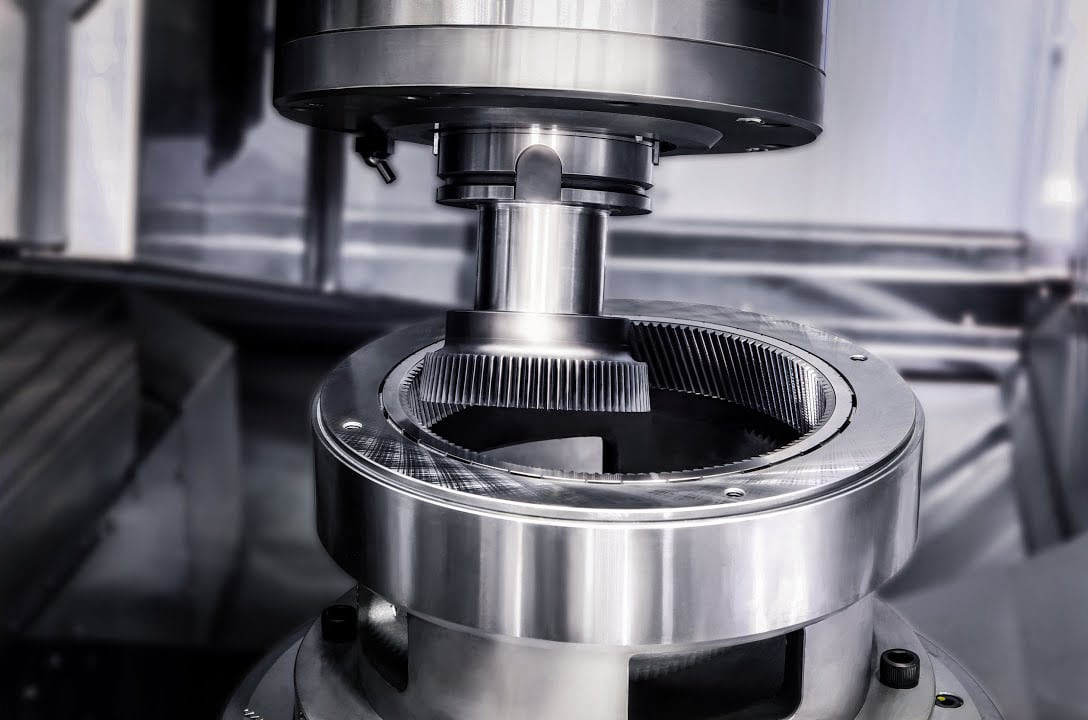
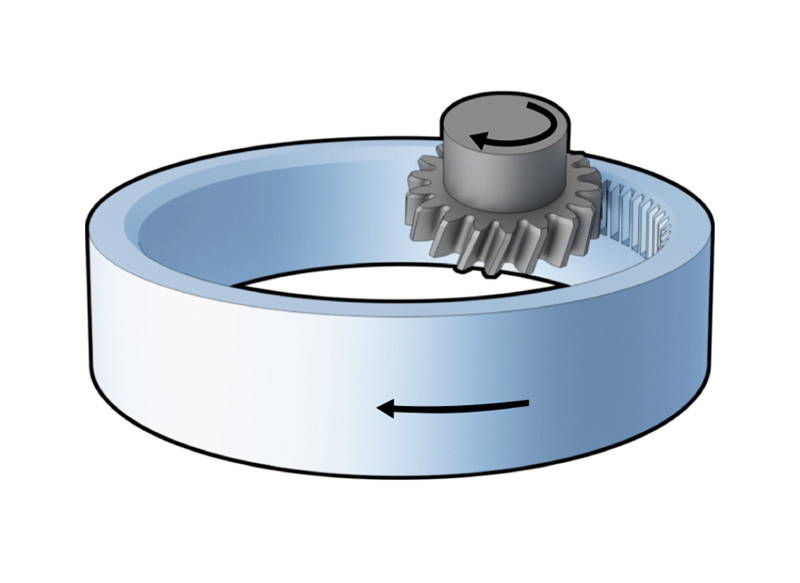
Gear skiving is a continuous gear cutting process. During the process, the cutting tool and the workpiece rotate together in a synchronized motion, similar to two gears meshing with each other. At the same time, the tool or workpiece feeds along the gear axis to generate the tooth profile.
In simple terms, gear skiving uses controlled rolling motion and cutting motion at the same time. This makes it useful for producing internal gears, internal splines, external gears, and some gear parts with limited tool clearance.
Gear skiving can be faster than gear shaping in many suitable projects. It can also work well for parts where hobbing may be difficult because of shoulders, short relief space, or internal tooth features.
How Does Gear Skiving Work?
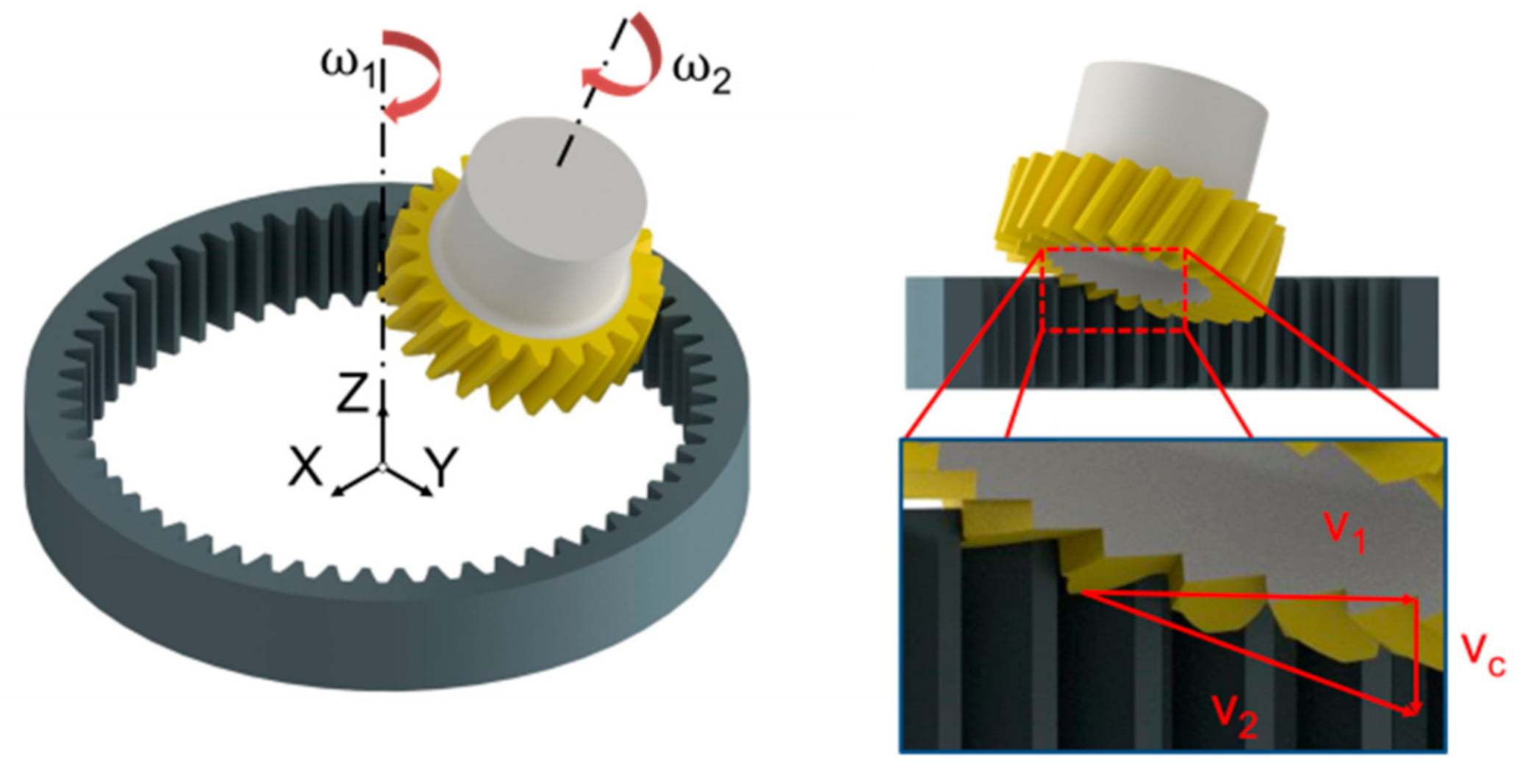
Gear skiving works through three main movements:
| Movement | What Happens | Why It Matters |
| Tool rotation | The skiving cutter rotates at a controlled speed | Creates the cutting action |
| Workpiece rotation | The gear blank rotates in synchronization with the cutter | Keeps the tooth geometry accurate |
Axial feed | The tool or workpiece moves along the gear axis | Forms the full tooth width |
The key point is synchronization. The machine must control the tool spindle and workpiece spindle very accurately. If the timing between the two rotations is not stable, the tooth form, pitch, or surface quality can be affected.
The tool is usually set at a crossing angle relative to the workpiece. This angle helps create the cutting speed needed for material removal. Because of this setup, gear skiving is not just a simple milling operation. It is a controlled gear-generation process.
Where Is Gear Skiving Commonly Used?
Gear skiving is often considered for parts such as:
• internal gears;
• internal splines;
• external cylindrical gears;
• gear sleeves;
• ring gears;
• clutch hubs;
• transmission components;
• gear parts with shoulders or limited tool clearance.
For internal gears and splines, gear skiving is especially useful because hobbing may not be possible inside the bore, and shaping can be slower. Skiving may also reduce the number of process steps in some projects, depending on the part design and accuracy requirement.
This does not mean skiving is always the best choice. For some external gears, hobbing may still be more efficient. For some large gears, special gear cutting or shaping may be more practical. For high-accuracy hardened gears, grinding or other finishing processes may still be needed after heat treatment.
Reference source:Gear Skiving—A Step Changing Manufacturing Process.
Gear Skiving vs Other Gear Cutting Methods
Buyers often ask whether gear skiving is better than hobbing, shaping, broaching, or grinding. The answer depends on the gear type, tooth geometry, batch quantity, material, heat treatment, and tolerance.
| Process | Common Use | Main Advantage | What to Check |
| Gear hobbing | External gears | Efficient for many cylindrical gears | Tool clearance and gear geometry |
| Gear shaping | Internal and external gears | Flexible for internal teeth and shoulders | Usually slower than skiving |
| Broaching | Internal splines or high-volume parts | Fast once tooling is ready | Tool cost and design flexibility |
Gear skiving | Internal gears, splines, special cylindrical gears | High efficiency in suitable parts | Machine rigidity, tool design, synchronization |
Gear grinding | Finished hardened gears | High accuracy and surface quality | Cost, allowance, heat treatment distortion |
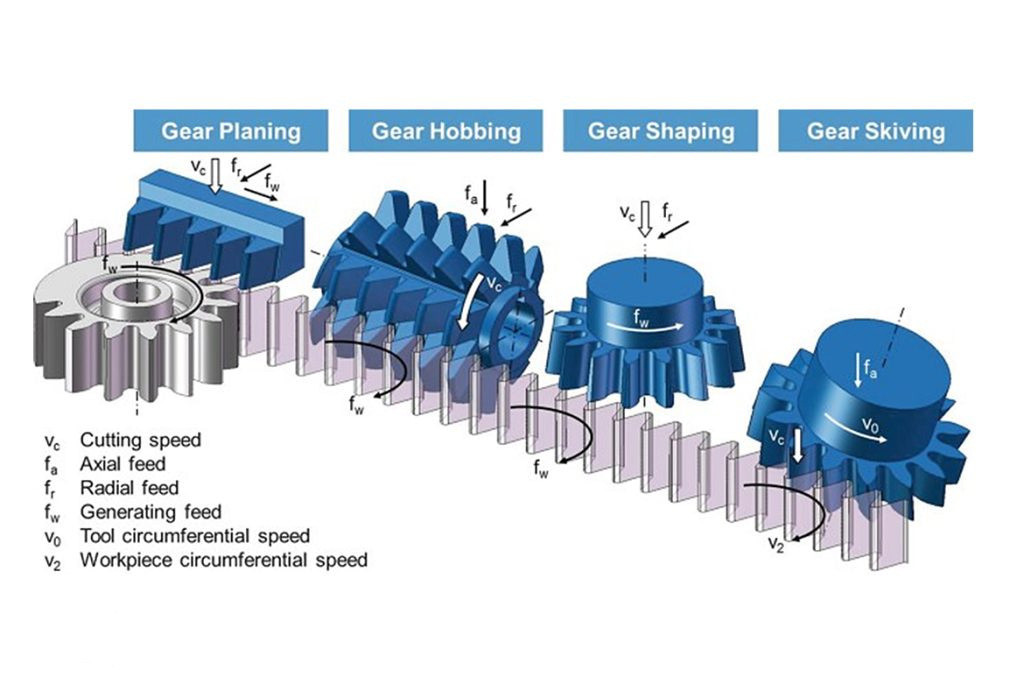
Gear skiving is useful when the part design matches the process. It should not be selected only because it sounds advanced. A reliable supplier should review the drawing and explain why skiving is or is not suitable for the project.
For a broader overview of gear cutting methods, buyers can also read PairGears’related article: What Is Gear Cutting? Processes and Applications.
Watch Gear Skiving in Action
In this PairGears video, you can see how the cutting tool moves in sync with the rotating gear blank. The whole process depends on stable machine control, accurate tool paths, and proper setup before machining.
For buyers, this video also shows an important point: gear skiving is not just about cutting speed. The final quality also depends on the drawing requirements, material selection, clamping method, tool design, heat treatment plan, and inspection process.
treatment plan, and inspection process.
Why Gear Skiving Matters for Custom Gear Projects
For custom gear projects, choosing the right manufacturing process can reduce risk before production starts. Gear skiving may help when the part has internal teeth, limited tool space, or a structure that is not easy to cut by hobbing.
But the process must be reviewed together with the whole project. Buyers should not only ask, “Can you do gear skiving?” A better question is, “Is gear skiving the right process for this drawing, material, heat treatment, tolerance, and quantity?”
For example, an internal spline may need skiving, shaping, or broaching depending on its size, tooth form, tolerance, batch quantity, and fit with the mating shaft. If heat treatment is required, the supplier also needs to consider distortion and finishing allowance before choosing the final route.
At PairGears, process selection is part of the early project review. For custom precision gear projects, buyers can send drawings, samples, OEM reference numbers, photos, quantity, and application details. PairGears can then review whether skiving, hobbing, shaping, milling, grinding, or another process is more suitable. Learn more about PairGears’ custom precision gear solutions.
What Buyers Should Check Before Choosing Gear Skiving
Before asking a supplier to use gear skiving, buyers should confirm several practical points.
First, the drawing must be clear. Important information includes module or DP, number of teeth, pressure angle, helix angle if any, bore size, face width, tolerance, material, and heat treatment.
Second, the supplier should understand the actual application. A gear used in agricultural machinery may face shock load and dust. A transmission part for heavy-duty trucks may need stable strength and wear resistance. An EV-related gear may need better accuracy and smoother running. The manufacturing process should match the working condition.
Third, workholding and inspection must be planned. Gear skiving depends on stable setup and accurate synchronization. If the part is thin, long, flexible, or difficult to clamp, process risk may increase.
Fourth, buyers should confirm what inspection is needed after machining. Depending on the project, this may include tooth profile, lead, pitch, runout, bore size, spline fit, hardness, surface finish, or contact condition.
What Information Helps Suppliers Quote Faster?
A gear skiving project is easier to review when the buyer provides enough information at the beginning.
| Item | Prepared? |
| 2D drawing or 3D file | Confirms tooth data, structure, and tolerance |
| Old sample or damaged sample | Helps review real geometry and wear condition |
| OEM number or machine model | Helps identify the application, but should not be the only reference |
Clear photos from different angles | Helps the supplier understand tooth form, bore, spline, and shoulders |
Material and hardness | Affects tool choice, cutting route, and heat treatment plan |
Quantity | Affects process selection, tooling cost, and unit price |
Application | Helps judge load, speed, lubrication, and service condition |
Inspection needs | Helps confirm quality control before quotation |
For more details, buyers can read PairGears’ related article: What Information Is Needed for a Custom Gear Quote?.
Common Mistakes in Gear Skiving Projects
One common mistake is choosing skiving only because it sounds more advanced. In real production, the best process is the one that fits the part. A simple external gear may be better made by hobbing. A high-accuracy hardened gear may still need grinding after heat treatment.
Another mistake is ignoring the mating part. Internal gears and splines often work with shafts, hubs, sleeves, or other transmission parts. If the mating part is not reviewed, the skived gear may meet the drawing but still fail during assembly.
A third mistake is not discussing heat treatment early enough. Heat treatment can change size, roundness, and tooth geometry. If the process route does not allow for distortion, the final fit may become too tight or too loose.
The last mistake is comparing suppliers only by price. A cheaper quotation may not include proper tooling, setup, inspection, or sample adjustment. For gear skiving, process planning is often more important than a quick price.
How PairGears Supports Gear Skiving Related Projects
PairGears supports overseas buyers with custom gears, replacement gears, gear shafts, spline shafts, and transmission parts. For projects that may involve gear skiving, we first review the part structure and application instead of choosing a process too early.
Our review usually focuses on:
• whether the part is suitable for skiving;
• whether another process such as hobbing, shaping, broaching, or grinding is more practical;
• how material and heat treatment may affect the final size;
• whether a sample should be made before batch production;
• what inspection method should be used before shipment.
For buyers, the goal is not simply to use gear skiving. The goal is to receive parts that fit correctly, run reliably, and can be repeated in future batches.
If you have a gear, spline, gear shaft, or transmission part project, PairGears can review your drawing, sample, OEM reference number, or photos before quotation.
FAQ
What is gear skiving?
Gear skiving is a continuous gear cutting process where the tool and workpiece rotate together in a synchronized motion while the tool cuts the tooth profile. It is often used for internal gears, splines, and some cylindrical gears.
Is gear skiving the same as gear hobbing?
No. Gear hobbing is mainly used for external gears and uses a hob cutter. Gear skiving uses a different tool setup with synchronized tool and workpiece rotation, and it is often useful for internal teeth or parts with limited tool clearance.
Is gear skiving better than gear shaping?
Gear skiving can be faster than shaping in many suitable projects, especially for internal gears and splines. However, shaping may still be useful for some parts. The best choice depends on the drawing, quantity, accuracy, material, and machine setup.
Can gear skiving be used after heat treatment?
In some cases, hard skiving can be used, but it depends on material hardness, machine capability, tool design, accuracy requirement, and cost. For many high-accuracy gears, grinding or other finishing methods may still be needed after heat treatment.
What should buyers send for a gear skiving quote?
Buyers should send drawings, samples, OEM reference numbers, photos, material, heat treatment requirements, quantity, application details, and inspection needs. If the part has a mating shaft or matching gear, that information should also be shared.
Conclusion
Gear skiving is a useful gear cutting process for many internal gears, splines, and special cylindrical gear parts. It can improve efficiency in suitable projects, but it is not the right answer for every gear.
For buyers, the important point is not only understanding what gear skiving is. The real value is knowing when to use it, what information to prepare, and how to check whether the supplier can control the process.
PairGears helps overseas buyers review custom gear projects from drawings, samples, OEM reference numbers, gear photos, and application details. If you are developing a gear, internal spline, gear shaft, or replacement transmission part, send your project information to PairGears for technical review.