What Should Buyers Know About Worm Gear Manufacturing
Introduction
Worm gears are often selected when a drive needs high reduction in a compact space, controlled output, or a right-angle layout. On paper, a worm set can look simple: one worm, one wheel, and a target ratio. In real projects, performance depends on more than that. Sliding contact, heat generation, material pairing, lubrication, and matching accuracy all affect how the set behaves after installation.
PairGears works with buyers on made-to-print and replacement gear programs for agricultural machinery, heavy-duty trucks, construction equipment, and EV drive systems. In worm gear projects, the main risk is not whether the parts can be cut. The bigger risk is treating the worm and wheel as separate items instead of one working pair.
What should buyers confirm in worm gear manufacturing?
Buyers should confirm that worm gear manufacturing is reviewed as a matched-pair project, not as one separate worm or one separate wheel. The main points usually include ratio, lead angle, center distance, material pairing, heat treatment, lubrication conditions, inspection scope, and the real application load.
If you are preparing a worm gear RFQ, send more than a simple sketch or one sample photo. Drawings, ratio target, center distance, shaft layout, load condition, material expectations, and lubrication notes help a supplier judge whether the set can be manufactured and matched correctly.
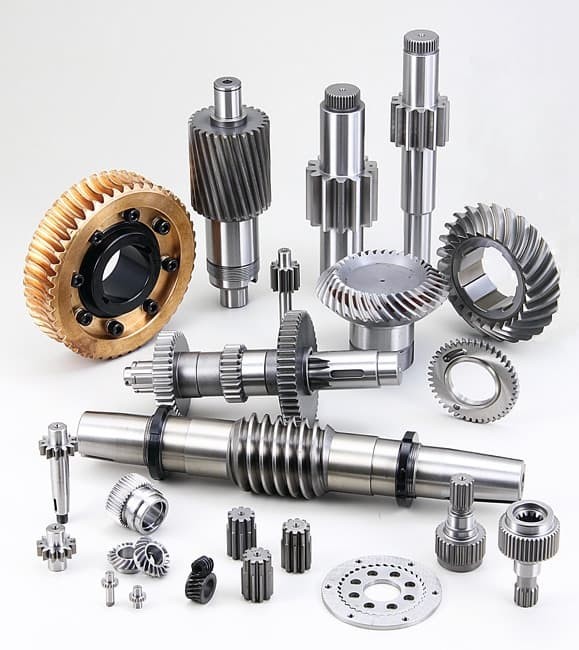
Why Worm Gears Should Be Reviewed as a Pair
Worm gear projects behave differently from many spur or helical gear jobs because the contact includes much more sliding action. That sliding makes friction, heat, wear, and lubricant choice more sensitive. A worm set can look correct in size and still run poorly if the material pair or lubrication assumption is wrong.
Performance also depends heavily on the relationship between the worm and the wheel. Ratio matters, but ratio alone is not enough. Lead angle, center distance, backlash, shaft support, and tooth contact all influence how the set behaves under load. In replacement work, an old wheel may already be worn, so the visible contact area may no longer reflect the original design.
What should buyers confirm before worm gear manufacturing starts?
Before quotation or production, buyers do not need every value perfectly prepared. But the more clearly the points below are reviewed, the lower the risk of mismatch, rework, or poor performance later.
| Check item | What buyers should confirm | Why it matters |
| Ratio and layout | Reduction target, shaft arrangement, center distance, rotation direction | Confirms whether the proposed set fits the transmission job |
| Matched-pair geometry | Worm starts, wheel tooth count, lead angle, backlash, contact relationship | A worm and wheel should be reviewed as one working pair |
| Material pairing | Worm material, wheel material, hardness route, wear expectations | Sliding contact makes material compatibility critical |
Heat treatment and finish | Surface hardness, distortion control, finish quality, final machining condition | These points affect wear, efficiency, and geometry stability |
Lubrication and service condition | Oil or grease plan, contamination, duty cycle, temperature, load | Poor lubrication assumptions can damage the set quickly |
Inspection scope | Dimensions, hardness, material references, visible condition, report needs | Defines what will be checked before shipment |
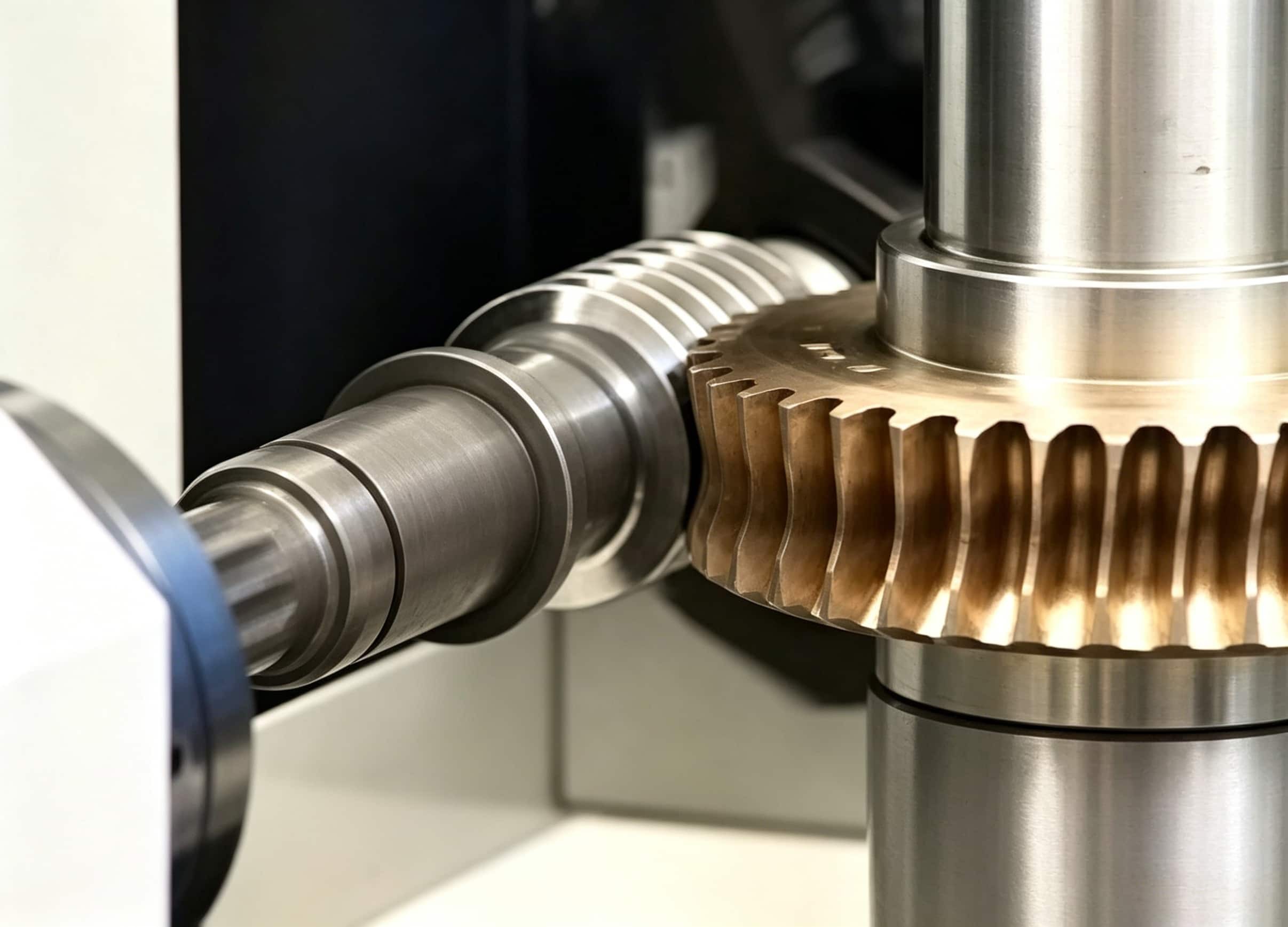
For many custom projects, buyers may not know every technical value at the first stage. That is acceptable. However, the earlier these items are reviewed, the easier it becomes to set a realistic quotation and sample route.
What material pairing and heat treatment points should buyers review?
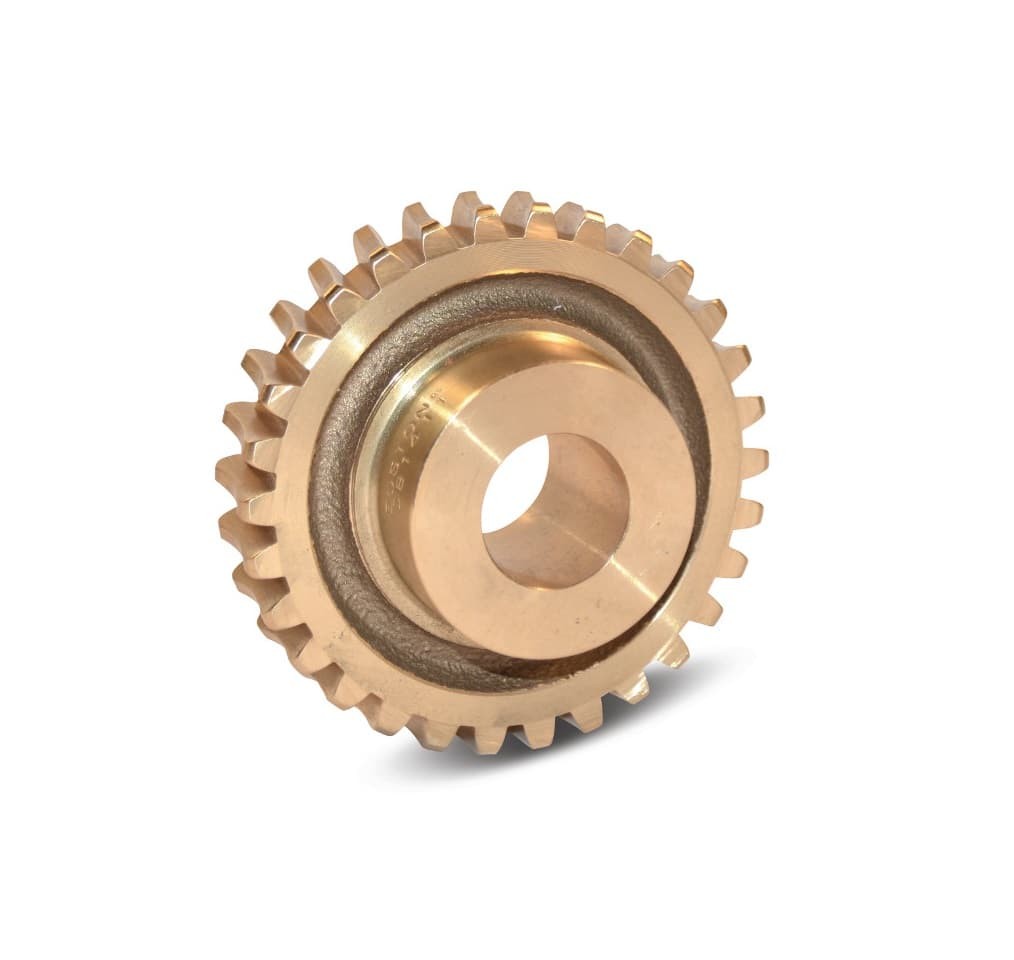
Material pairing is one of the most important decisions in worm gear manufacturing. In many designs, the worm and wheel are intentionally made from different materials to balance strength, wear resistance, and running behavior. A hardened steel worm matched with a bronze wheel is a common route, but it is not a universal answer. The final choice still depends on load, speed, lubrication, environment, and cost target.
Heat treatment should be reviewed together with that material pair, not as a separate box to tick at the end. If hardness is too low, wear may rise quickly. If distortion is not controlled, the meshing condition may change after hardening. Buyers should also ask whether any final machining or grinding is planned after heat treatment, especially when geometry stability matters.

What application details should buyers provide?
Worm gears are more sensitive to lubrication and heat management than many buyers first expect. Because the contact involves more sliding than rolling, poor lubrication can quickly increase friction, temperature, and wear. This means the supplier needs more than a ratio target. The application itself matters.
A worm set used in agricultural machinery may face dust, moisture, and shock load. A truck- or construction-related system may see longer duty, higher temperature, and heavier torque cycles. When sending an RFQ, it helps to share the target application, input speed, output torque, duty cycle, lubrication method, temperature concerns, quantity, and any assembly-space limits.
What buyers should send for a worm gear manufacturing RFQ
A good worm gear RFQ should go beyond a simple ratio request or a single sample photo.
| Information needed | What to send | Why it helps |
| Drawing or 3D file | PDF, DWG, DXF, STEP, IGES | Helps confirm geometry and fit |
Worm and wheel data | Ratio, starts, teeth, module/pitch, lead angle | Supports matched-pair review |
| Center distance and layout | Assembly dimension, shaft direction, space limits | Critical for meshing and installation |
Application details | Machine type, load, speed, duty cycle | Helps define the process route |
| Material and heat treatment notes | Known steel, bronze, hardness target, treatment route | Supports material-pair review |
Lubrication condition | Oil type, environment, sealing limits | Helps judge service suitability |
Sample photos | Old parts or current components | Useful when drawings are incomplete |
Quantity and inspection needs | Sample quantity, batch demand, report requirements | Affects tooling, quotation, and acceptance scope |
If your RFQ is still incomplete, you can still start with the available drawing, sample photos, or ratio target. PairGears can review the main risk points first and advise what else should be confirmed before formal quotation or sample production.
Common mistakes should avoid in worm gear manufacturing projects
● Focusing only on ratio: Center distance, lead angle, tooth geometry, backlash, and mating contact also matter.
● Treating the worm and wheel as unrelated parts: A worm gear set should be reviewed as a matched pair; optimizing one part alone often creates service problems later.
● Asking for harder material without checking the material pair: Poor material matching can be as harmful as low hardness.
● Ignoring lubrication and heat generation: Service conditions should be explained early so the lubrication plan matches the real job.
● Requesting inspection only at the end: Dimensions, hardness, material, and surface requirements should be confirmed during quotation or order review.
How does better worm gear manufacturing review reduce project risk?
A good worm gear manufacturing review does not only help production. It helps buyers avoid ordering a gear set that looks acceptable on paper but does not perform as expected in the real machine.
Better review usually improves matched-pair clarity, material and heat-treatment planning, lubrication assumptions, RFQ accuracy, and inspection planning.
In practice, that means lower risk of mismatch, fewer sample revisions, more realistic quotations, and fewer disputes before shipment.
Why Choose PairGears
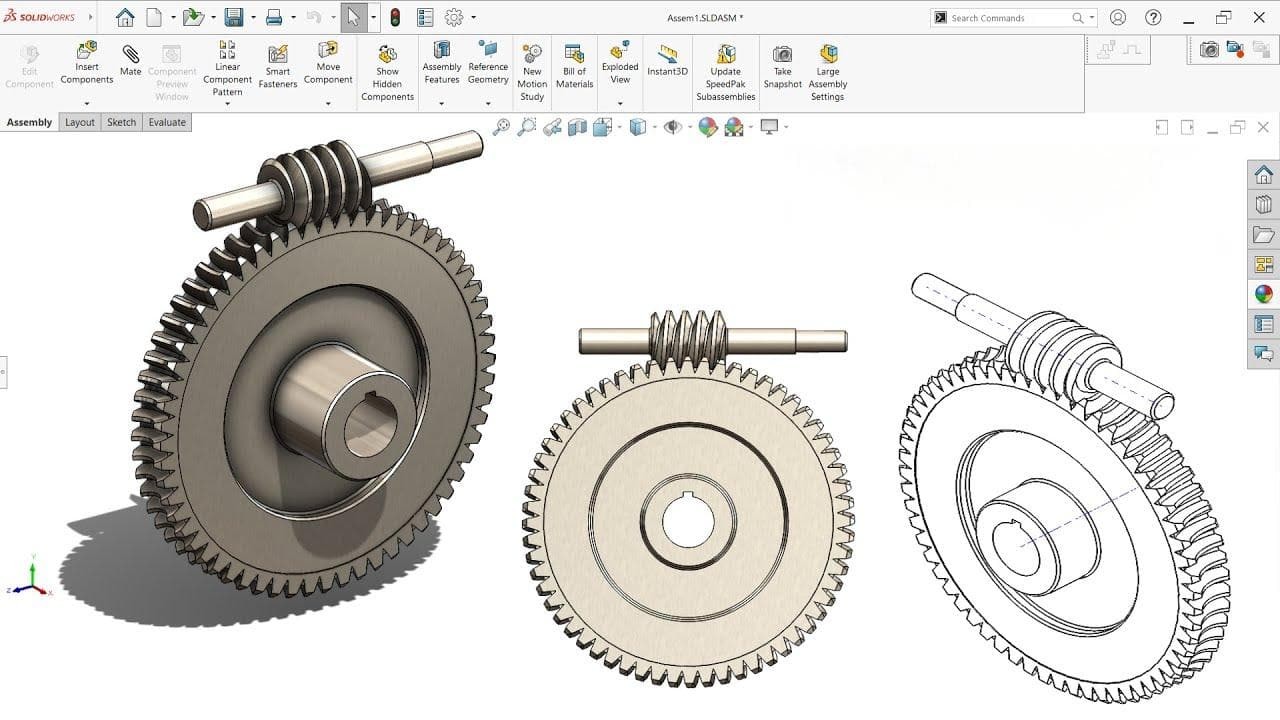
PairGears supports custom gear and replacement gear projects from drawings, samples, OEM numbers, photos, and application information. For worm gear manufacturing projects, we review the working logic behind the full set, not only the visible shape of the worm or wheel.
◇custom worm gear manufacturing review based on real application needs
◇drawing-based and sample-based development support
◇material and heat-treatment planning matched to service conditions
◇review of geometry, shaft fit, center distance, and pair matching
◇practical inspection planning before shipment
◇workable routes from quotation to sample approval and repeat supply
This early review is especially useful when the project involves custom ratios, compact layouts, old replacement samples, or worm gear sets that must fit into an existing assembly.
FAQ
Q1: What should buyers confirm in worm gear manufacturing first?
Buyers should first confirm that the worm gear set will be reviewed as a matched pair. Ratio, lead angle, center distance, materials, lubrication, and heat treatment all affect the final result.
Q2: Why is material pairing important in worm gear manufacturing?
Because worm gears operate with significant sliding contact, the compatibility between the worm material and the wheel material strongly affects wear, friction, heat, and service life.
Q3: Is heat treatment enough to improve worm gear performance?
Not by itself. Heat treatment must be matched with the right material, geometry, surface finish, and lubrication condition.
Q4: What information is most useful for a worm gear RFQ?
Drawings, ratio target, center distance, worm and wheel parameters, material notes, lubrication condition, application details, quantity, and inspection requirements are all useful.
Q5: Should buyers ask about inspection before shipment?
Yes. Buyers should confirm what dimensions, hardness, material references, and visible surface conditions will be checked before shipment.
Conclusion
Worm gear manufacturing involves more than making a screw and a wheel that match in size. Buyers should confirm how geometry, material pairing, heat treatment, surface finish, lubrication, and inspection work together before the project moves too far forward.
If you are planning a custom worm gear project or reviewing a replacement worm gear set, Contact PairGears with your drawings, sample photos, OEM number, ratio target, and application details. Our team can help review the key risk points and discuss a practical quotation, manufacturing, and inspection route.