Why Do Agricultural Machinery Gears Wear Out Early?
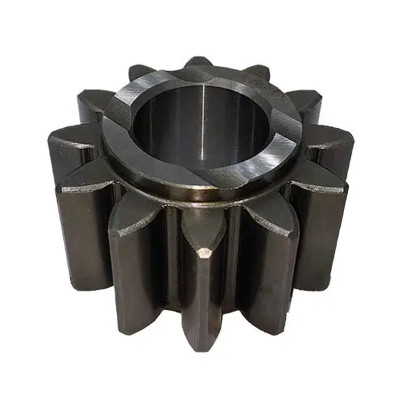
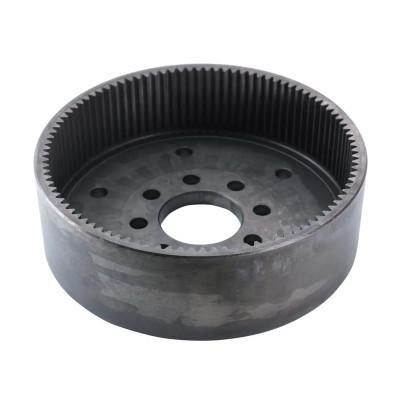
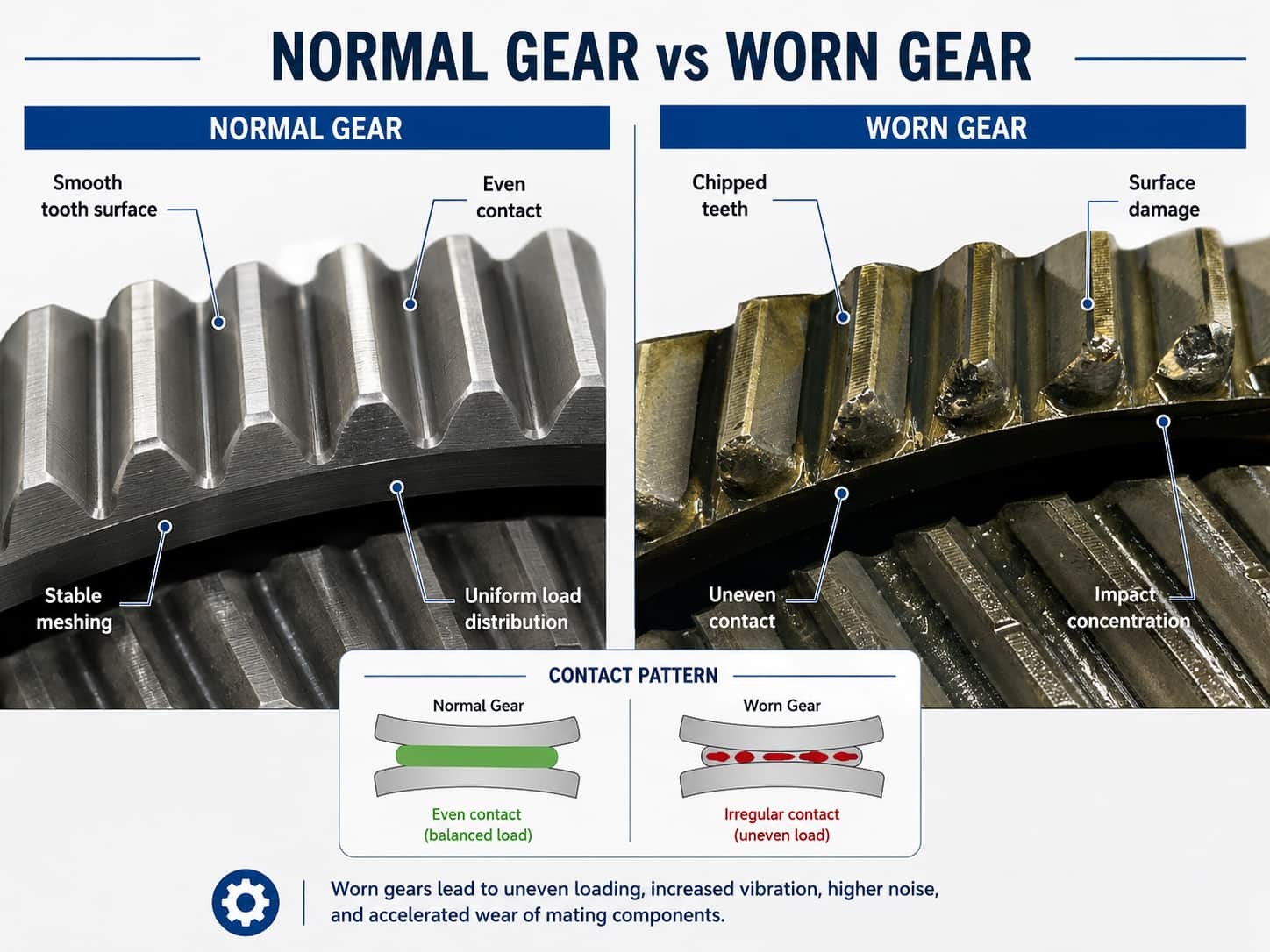
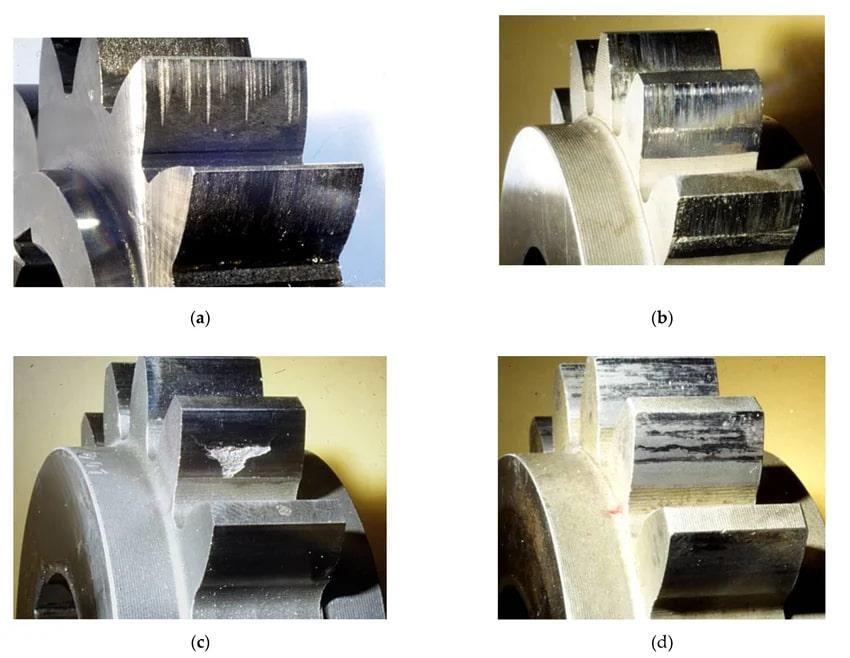
Agricultural machinery gears often work under heavy loads, dusty conditions, mud, water, and long operating hours. When gears show pitting, scratches, peeling, or uneven wear, the problem is not always caused only by material or manufacturing. Before ordering replacement gears, buyers should also check lubrication, sealing, bearings, installation position, and the mating gear. Replacing only one worn gear may not solve the real problem. Agricultural machinery gears often wear out early because of shock loads, dust or mud contamination, poor lubrication, unsuitable material or heat treatment, poor alignment, worn bearings, worn mating gears, or incorrect replacement specifications. Before ordering replacement gears, buyers should provide drawings, worn gear photos, OEM numbers, equipment model, mating gear information, and working conditions for review. Gear wear is sometimes only a visible result. Loose bearings, bent shafts, contaminated lubrication, sealing failure, or worn mating gears can all keep the gear under uneven load, which may finally appear as tooth wear, pitting, noise, or heat. If these problems are not corrected, the new gear may wear again after installation. That is why replacement gears should not be reviewed only by appearance or OEM number. Old samples, mating parts, installation position, and real working conditions should also be checked together to avoid wrong OEM replacement gear orders. The visible tooth damage may come from support, alignment, lubrication, sealing, or mating-part problems elsewhere in the assembly. If the original system condition is not corrected, replacing only the worn part may not remove the cause of failure. Tractors, harvesters, and other agricultural equipment may experience strong impact during startup, gear shifting, blockage, or sudden heavy loading. Long-term overload also increases tooth surface pressure and may lead to pitting, deformation, chipped edges, or even tooth breakage. Buyers should explain where the gear is installed and whether the wear happened during startup, reversing, harvesting, or blockage handling. This helps judge whether the original gear specification is suitable for the actual working condition. Agricultural machinery often works around soil, crop residue, and muddy water. If the seal fails, dust and moisture may enter the gearbox, scratch the tooth surface, and affect the bearings and lubricating oil. When checking the gear, buyers should also check the oil and seals. If the oil contains obvious dirt or water, replacing the gear alone usually cannot prevent the same wear from happening again. Low oil level, wrong oil viscosity, long oil-change intervals, or high operating temperature can weaken the lubrication film on the tooth surface. The gear may show black marks, scuffing, abnormal polishing, or local peeling. Buyers should provide the oil type, oil-change interval, operating temperature, and any oil leakage information. Before checking lubrication conditions, the problem should not be directly blamed on material or heat treatment. Agricultural machinery gears need both wear resistance and impact resistance. If the material, surface hardness, core strength, or case depth is not suitable, service life may be affected. When original technical information is missing, the supplier may need to review the old sample, hardness, load condition, and mating gear together. Material and heat treatment should not be selected only by outside shape and dimensions. When center distance, mounting distance, shaft position, or housing condition changes, the load may concentrate on one side of the tooth surface and cause obvious uneven wear. Bevel gears, ring gears, and pinions especially need contact marks and installation position to be checked. Buyers can provide installation photos, mating parts, and contact pattern photos to help identify the possible cause. For paired parts, the gear and pinion matching relationship should be reviewed as a system. Excessive bearing clearance, bent shafts, worn journals, or housing deformation can move the gear away from its original meshing position. Gear wear may only be the result of these support problems. When repairing old equipment, bearings, shaft runout, and mounting holes should also be checked. If the support position is not restored, the new gear may still work under uneven load. Gears that run together for a long time form a matching contact condition. If only one gear is replaced while the other part is already heavily worn, the old and new tooth surfaces may not mesh properly. For bevel gear sets, ring gears, and pinions, buyers should provide photos or samples of both parts whenever possible. The supplier needs to judge whether one part can be replaced alone, or whether the parts should be reviewed as a set. Two gears may look similar, but that does not mean they can be used interchangeably. Tooth count, module, DP, pressure angle, helix angle, bore, spline, or mounting dimensions can all affect meshing. An OEM number can be used as an identification reference, but it cannot replace drawings and sample measurement. Different equipment models or production batches may also use parts with small parameter differences. Before ordering agricultural machinery gears, buyers should confirm material, heat treatment, accuracy, inspection scope, mating gear information, and actual working conditions as much as possible. These details help the supplier judge whether the replacement gear can be quoted directly, or whether sample measurement, reverse engineering, or first-article confirmation is needed first. If the gear is used under heavy load, shock load, mud, dust, or continuous operation, this should also be explained early. Actual working conditions can affect material selection, heat treatment route, machining accuracy, and inspection requirements. PairGears first reviews drawings, 3D models, old samples, photos, OEM numbers, and mating part information to judge whether the project information is complete enough. If there is no complete drawing, or if the old part is heavily worn, sample measurement, reverse engineering, or mating part confirmation may be needed first. Buyers can also review what photos are needed to identify an OEM replacement gear before sending an inquiry. Review drawings, 3D models, samples, photos, OEM numbers, worn areas, and mating-part information. Check gear parameters, material, heat treatment, accuracy, quantity, application condition, and inspection requirements. For selected projects, confirm dimensions, assembly, meshing, and inspection results before batch production. Arrange batch production after approval and inspect the agreed dimensions, gear data, hardness, case depth, or mating condition. During technical confirmation, the team checks gear parameters, material, heat treatment, accuracy, quantity, application condition, and inspection requirements. For first-time cooperation, old-part replacement, or projects with higher pairing requirements, a prototype or first article can be made first to confirm dimensions, assembly, meshing, and inspection results. After the sample or first article is approved, batch production can be arranged. Depending on the project, inspection may include key dimensions, runout, tooth profile, lead, hardness, case depth, or mating condition. If reports are required, buyers should confirm the scope of gear inspection before shipment during quotation. Early wear on agricultural machinery gears should not be judged only by appearance. Worn tooth photos, mating gear photos, old samples, hardness records, material information, or inspection reports can all help the supplier review the possible cause. For this type of project, useful information may include worn gear photos, new-and-old gear comparison photos, mating gear photos, redacted hardness or material reports, tooth profile and lead inspection records, and contact pattern photos. If real project materials are used, customer names, drawing numbers, order numbers, and equipment information should be blurred. Buyers can also review how a worn gear can affect machine performance before deciding whether one part or the full mating set needs review. PairGears can review agricultural machinery gear projects based on drawings, old samples, photos, or OEM numbers, and then judge the next step according to material, heat treatment, working conditions, and mating relationship. Some projects may move directly to quotation, while others may need sample measurement, reverse engineering, first-article production, or additional technical information. For heavily worn old parts, PairGears will not directly treat the current worn dimensions as the original design dimensions. Not always. Lubrication, contamination, overload, installation, and worn mating parts can also cause gears to wear out early. The mating gear and meshing condition should be checked first. For gears that work as a pair, both parts should be reviewed together whenever possible. Yes, but worn dimensions should not be used directly as the original dimensions. Mating parts, equipment information, and technical confirmation may also be needed. An OEM number can help with identification, but photos, samples, key dimensions, and mating gear information are usually still needed. Depending on the project, buyers may confirm dimensional inspection, tooth profile, lead, runout, hardness, case depth, and material certificates. Early wear on agricultural machinery gears is usually not caused by one single reason. Load, contamination, lubrication, installation, bearings, and mating gears can all affect the result. Before ordering replacement gears, buyers should provide drawings, worn gear photos, OEM numbers, equipment models, mating gears, and real working conditions whenever possible. This helps the supplier judge whether the project can be quoted directly, or whether sample measurement and first-article confirmation are needed. Send your drawing, worn gear photos, sample, OEM part number, quantity, and working conditions for a technical review and quotation.Quick Answer
Why Should Buyers Check the Cause of Wear Before Ordering?
What Information Should Buyers Provide?
Information
Why It Helps
Front, back, and tooth surface photos
Shows pitting, chipped edges, rust, and uneven wear.
Old sample or drawing
Confirms parameters, dimensions, and measurement needs.
Mating gear photos
Helps check whether both parts are worn.
Equipment model and OEM number
Helps identify the part version and installation position.
Working conditions
Shows load, shock, speed, and environment.
Lubrication and sealing condition
Helps check oil leakage, contamination, and water ingress.
Material and hardness information
Helps confirm material and heat treatment requirements.
Quantity and target delivery time
Helps arrange sampling and batch production.
Inspection requirements
Confirms whether inspection reports are needed.
8 Common Causes of Early Agricultural Machinery Gear Wear
Shock Load or Long-Term Overload
Dust, Mud, or Contamination
Poor Lubrication or Unsuitable Oil
Unsuitable Material or Heat Treatment
Shifted Contact Pattern or Poor Installation
Worn Bearings, Shafts, or Housing
The Mating Gear Is Already Worn
Incorrect Replacement Gear Specifications
What Technical Conditions Should Be Confirmed Before Ordering?
Confirm Before Ordering
How PairGears Reviews Agricultural Machinery Gear Projects
Project Input Review
Technical Confirmation
Prototype or First Article
Production and Inspection
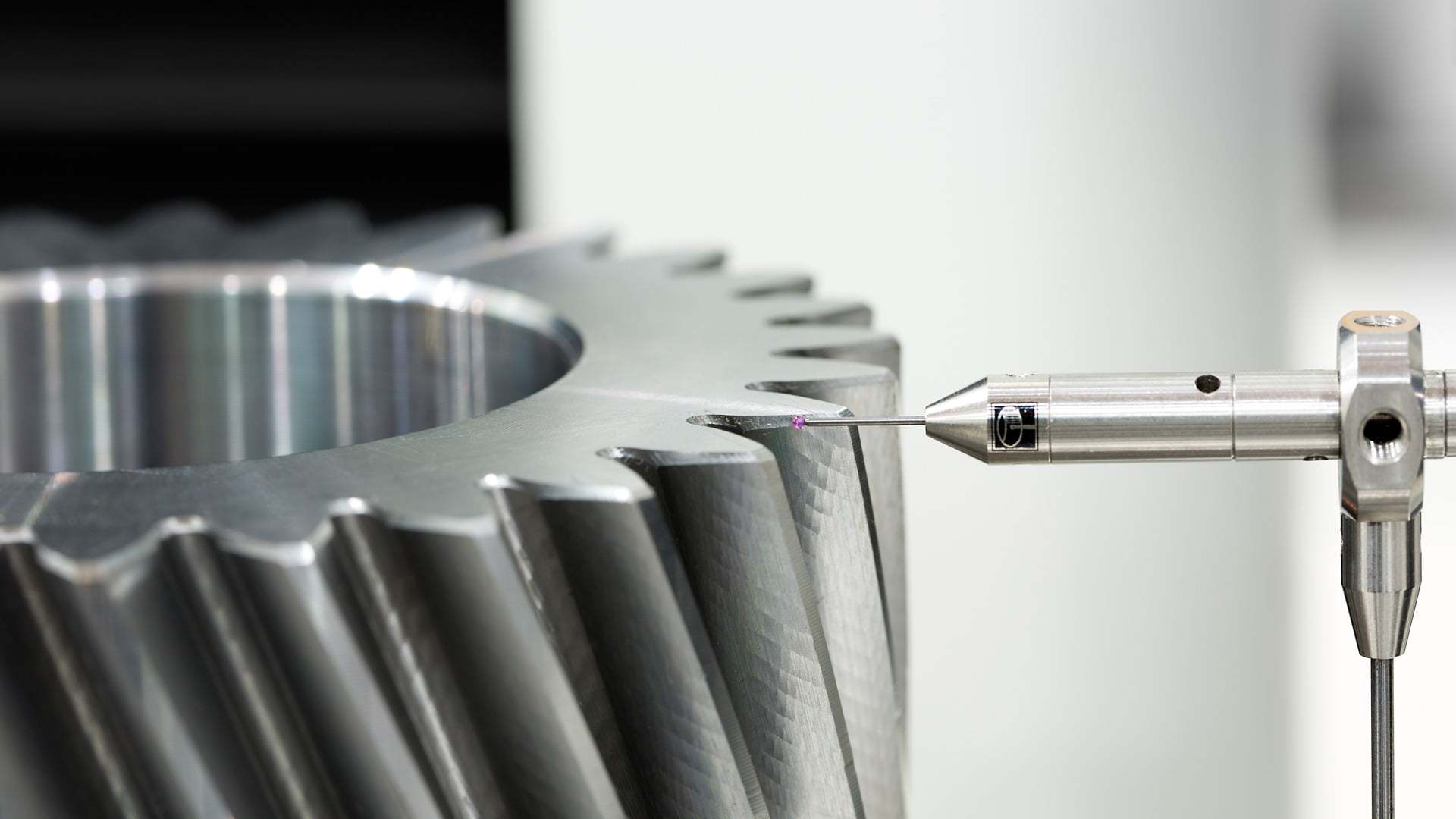
What Evidence Helps Review Early Gear Wear?
Useful Project Evidence
Why Choose PairGears
Review From Available Project Data
Different Projects Need Different Next Steps
FAQ
Is early agricultural machinery gear wear always a material problem?
Can only one worn gear be replaced?
Can a heavily worn old gear still be measured?
Can buyers get a quotation with only an OEM number?
What inspection reports may be needed?
Conclusion
Send Your Agricultural Gear Information for Review