01
Old or Incomplete Drawings
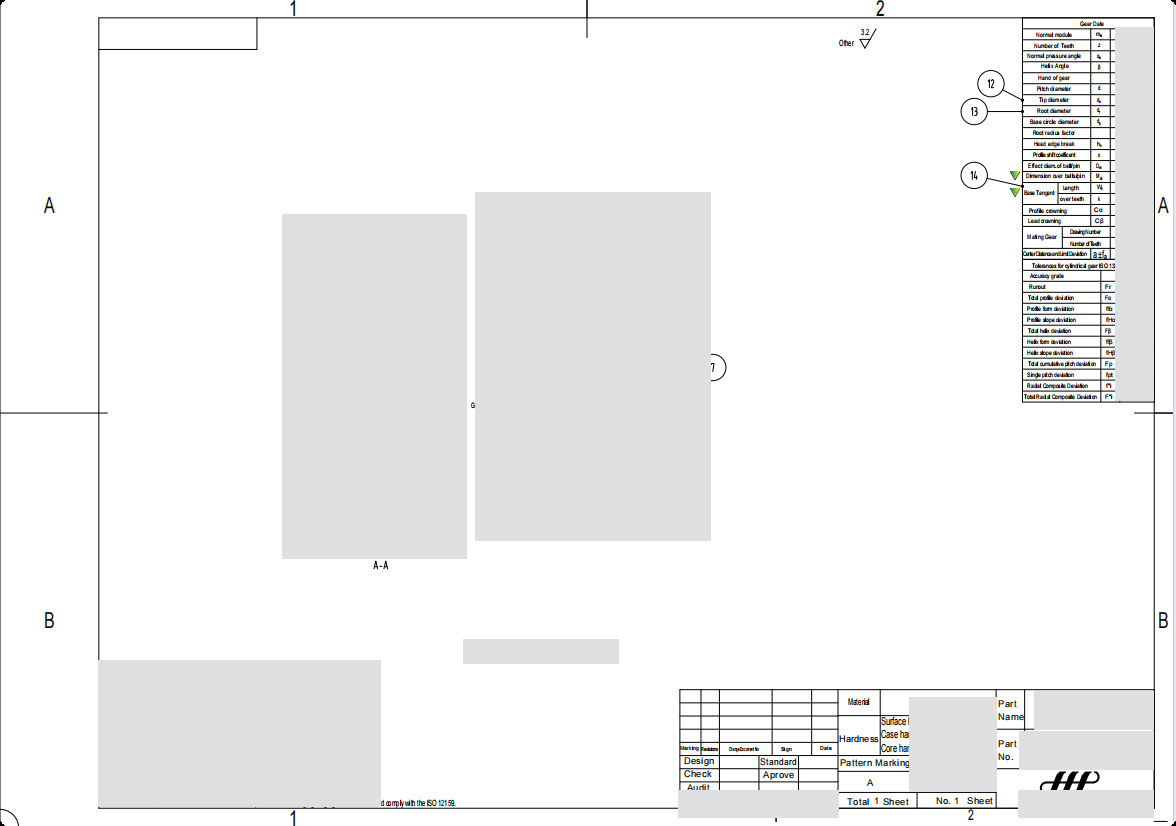
Existing drawings did not provide a complete starting point for every item. The available information had to be reviewed before it could be used as a manufacturing basis.

A South American aftermarket project covering 21 transmission parts. PairGears helped move the work from old drawings and mixed sample availability through drawing review, tooling, sample validation, quality documentation and delivery.
[Insert hero image here — gear or shaft product photo]
Suggested alt text: Custom agricultural machinery gear developed for an aftermarket application.
In the agricultural aftermarket, a machine may still need service long after a particular replacement part becomes difficult to find. The challenge is greater when the available drawing is old, some dimensions need clarification, or a physical sample is not available for every item.
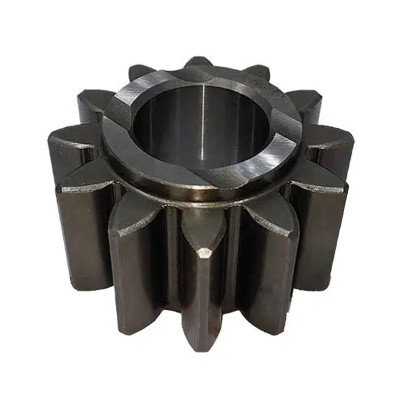
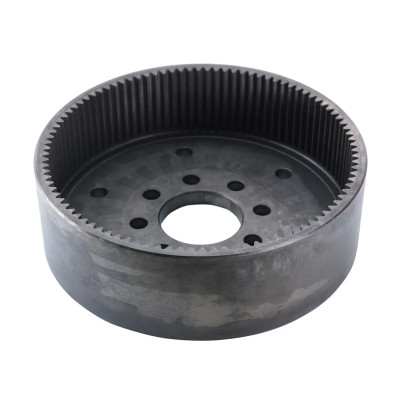
This project involved 21 agricultural transmission parts for a customer serving the South American aftermarket. The scope included gears, gear rings and shafts. Some items came with physical samples, while others had to be reviewed using the technical information available.
Instead of treating the job as a simple repeat order, the work was organized around a clear sequence: review what was available, confirm the drawing, prepare the manufacturing route, make samples, complete the agreed checks, and move to batch production after customer approval.
The key point: when drawings are incomplete, the first task is to identify what is known, what still needs confirmation, and what evidence the customer will need before approving production.
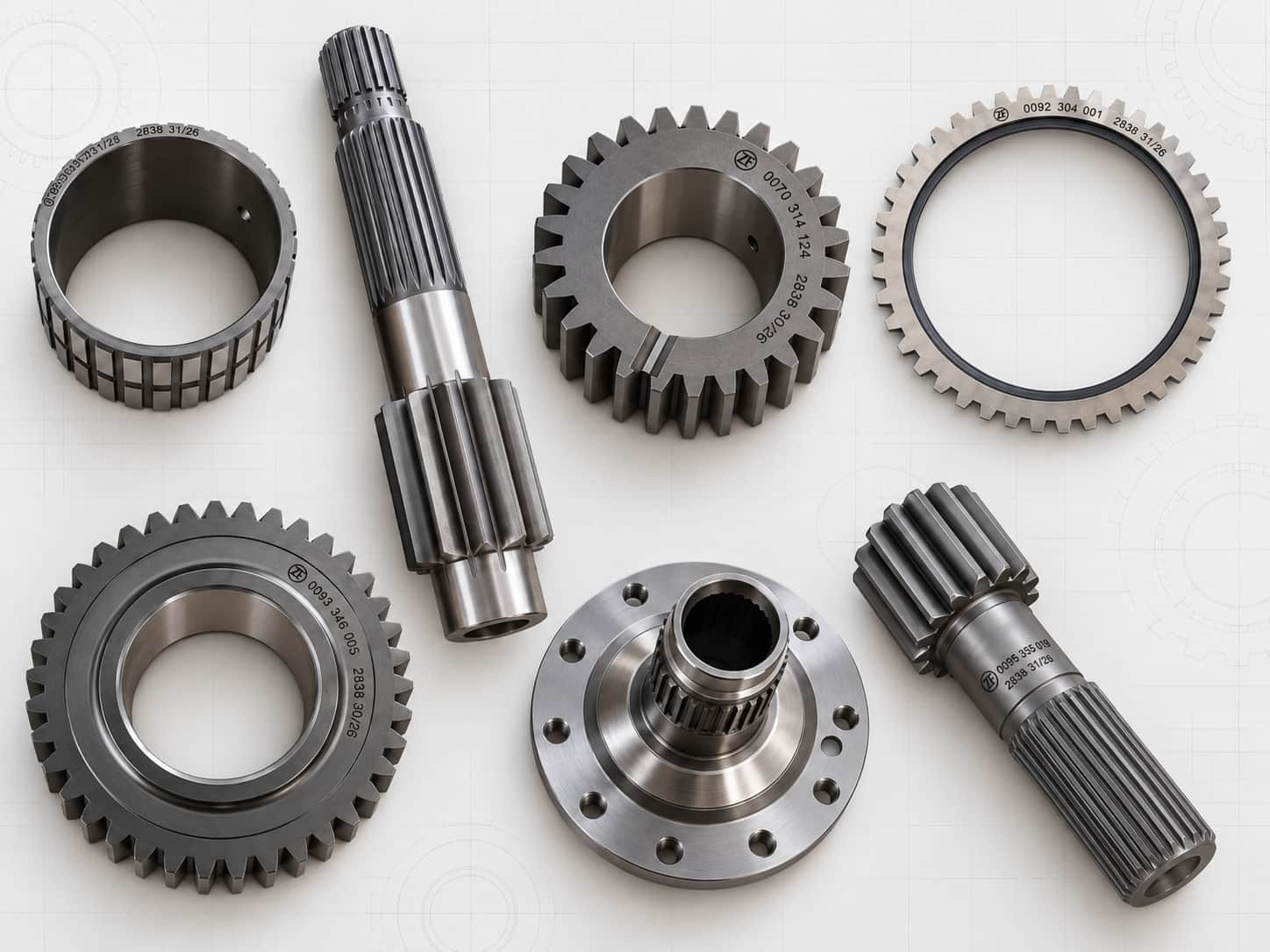
The project was not about making one part from a complete, released drawing. It involved multiple part numbers and different levels of available information.
Existing drawings did not provide a complete starting point for every item. The available information had to be reviewed before it could be used as a manufacturing basis.
Some items could be checked against a physical sample. For others, the team had to assess the available technical information and clarify missing details with the customer.
Sample review, inspection records, packaging details and customer acceptance all formed part of the project. These requirements needed to be considered before shipment.
The steps below reflect the project process. The exact checks and documents for a new order should always be agreed with the customer and matched to the part's drawing and application.
Review the legacy drawing and any available sample. Compare the information, identify gaps, and list the details that need customer confirmation.
Measure available samples and prepare the product drawing where required. Confirm the drawing and key requirements with the customer before moving to tooling and sampling.
Define material, manufacturing process, heat-treatment and inspection requirements against the agreed technical documents. Do not assume that similar-looking parts share the same specification.
After drawing confirmation, prepare the required production tooling and manufacture samples for the customer's review.
Provide samples and the agreed quality submission package. Depending on the order, this may include dimensional inspection records, material documentation, process-control records and packaging details.
Start batch production after sample approval. The reported project then proceeded to customer on-site inspection, logistics arrangements and export customs clearance.
These image spaces can be replaced with approved, anonymized photos. Show the work itself rather than exposing customer drawings, proprietary labels or controlled reports.
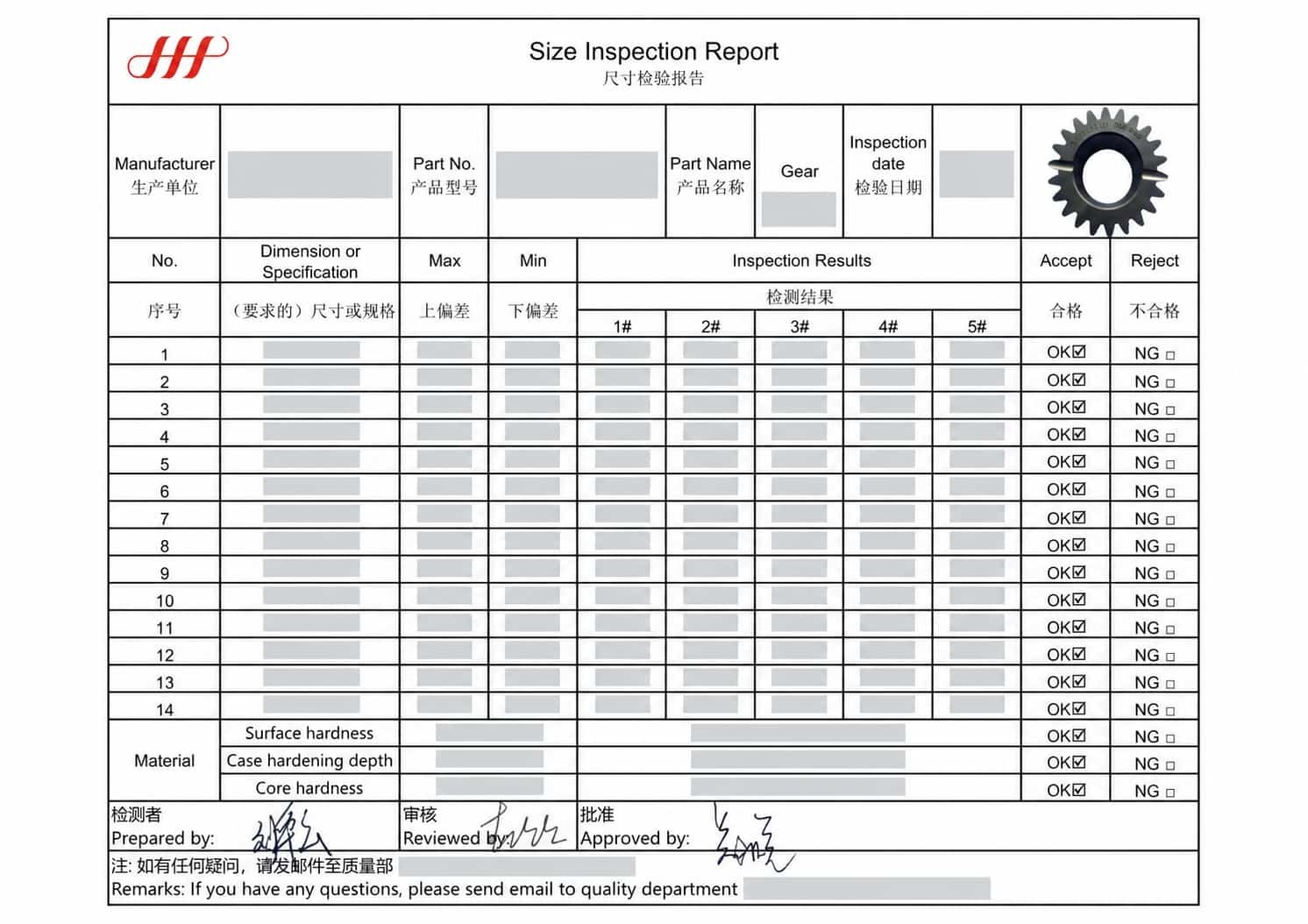
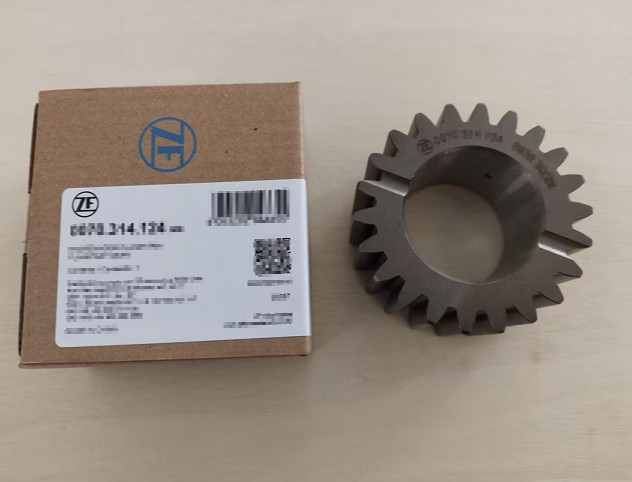
The project value was not just the production of parts. It was the work needed to make each development step clear enough for review and approval.
Why buyers should care: a clear approval route helps both sides understand what must be confirmed before production moves forward. It does not replace technical review or guarantee that every legacy part can be reproduced.
For a custom gear or shaft, the inspection plan should follow the approved technical requirements. Depending on the part, this may involve checking key dimensions, material information, heat-treatment requirements, visual condition and other specified characteristics.
In this project, sample submission and quality documentation were part of the customer review process. The exact document list for a new project should be confirmed before quotation or sample production.
[Insert quality evidence image — measurement equipment or redacted inspection summary]
Suggested alt text: Dimensional inspection for a custom agricultural transmission gear.
These public references explain general gear tolerance and inspection topics. They are background resources, not a statement that a particular standard or tolerance class applied to every part in this case.
You do not need to solve every technical question before making contact. Start with the information you have, then identify the gaps that need to be closed.
If some details are missing, explain what is unknown. A technical review can help determine whether the available information is enough to proceed or whether more measurements, samples or customer input are needed.
[Insert buyer checklist image — a sample gear beside a clean, redacted drawing]
Suggested alt text: Existing sample and technical drawing for replacement agricultural gear evaluation.
If you are evaluating a new aftermarket part or a custom transmission component, these pages are useful next steps.
Yes, you can send the information you have for an initial review. An old drawing, photos, a part number or a physical sample may help. Feasibility depends on whether the key geometry, fit, material and application requirements can be confirmed. Additional information may be needed before a firm quotation can be issued.
Each part should be reviewed on its own information. A sample can support measurement and comparison, while a part without a sample may require more complete drawings or other reliable technical data. The available information will determine the next step.
Drawing confirmation gives the customer and supplier a shared technical reference before tooling and sample work begins. It helps surface missing details earlier. If a critical requirement is still unclear, it should be resolved rather than guessed.
The required documents should be agreed during project review. Depending on the order, the package may include dimensional inspection records, material documentation, process-control records and packaging information. Availability and scope should be confirmed for each project.
This case covered gears, gear rings and shafts. Other custom transmission parts can be assessed case by case after reviewing the drawing, sample, application, quantity and technical requirements.
Send PairGears your drawing, sample photos, part details and estimated quantity. We can review the available information and discuss what is needed for the next step.