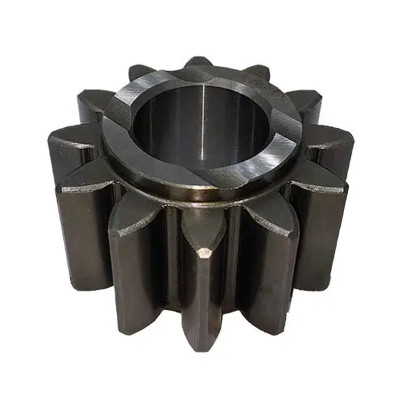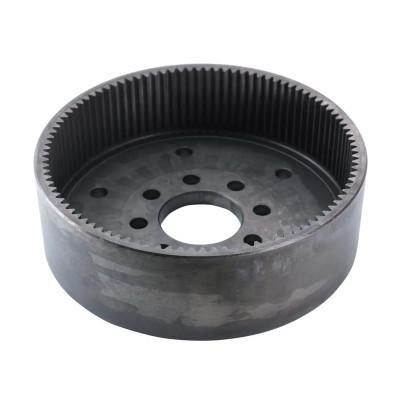
Gear Hobbing vs Gear Shaping: What's the Difference?
1. Introduction
In real gear projects,“how to cut the teeth" is not a detail—it directly affects accuracy, cost, lead time and even which gear geometries are possible. Among many cutting methods, gear hobbing and gear shaping are two core processes used across modern gear shops.
As a precision gear manufacturer and custom gear supplier, PairGears uses both hobbing and shaping in its process chain for gears and shafts used in agricultural machinery, heavy truck, construction equipment and EV. This article explains how each process works, their key differences, and how engineers can select the right one for a given gear.
2. What Is Gear Hobbing?
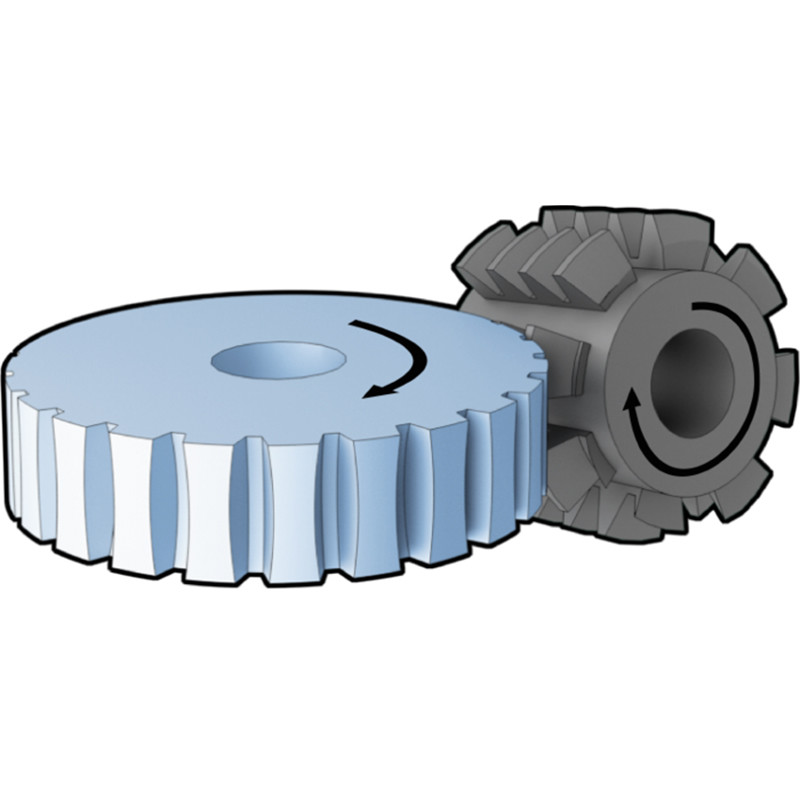
Gear hobbing is a continuous cutting process that uses a rotating multi-tooth cutter called a hob. The hob and the gear blank rotate together in a fixed speed ratio so that the hob gradually "generates" the tooth profile.
Typical characteristics:
Best for: external spur and helical gears, some worm gears and sprockets
Motion type: continuous rotation of both hob and workpiece
Productivity: very high for medium and large batch sizes
Accuracy: typically ISO 6–8 with modern CNC hobbing, suitable for pre-grind or even final teeth in many applications
In PairGears projects, hobbing is widely used for:
-agricultural gearbox gears and PTO drives
-heavy truck transmission gears and axle pinions (pre-grind)
-construction equipment reducer gears and auxiliary drives
-EV reduction gears before finish grinding
Because the process is continuous, hobbing is often the most economical choice for large volumes of external gears with standard or slightly customised geometry.For detailed information, please see this page.
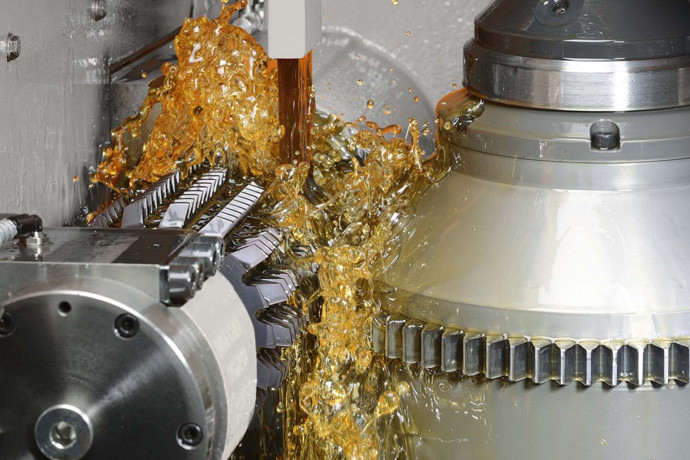
3. What Is Gear Shaping ?
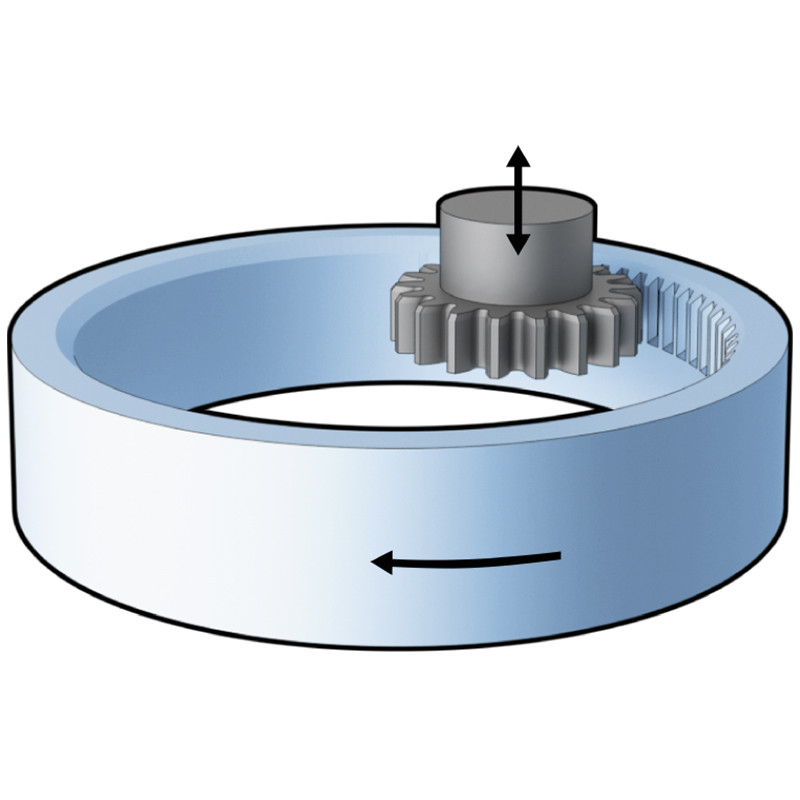
Gear shaping (often called gear shaping or gear form cutting) uses a reciprocating cutter whose profile matches the gear to be produced. The cutter moves up and down while the workpiece rotates in synchronisation, gradually cutting the tooth spaces.
Typical characteristics:
Best for: internal gears, shoulder gears, multi-gear assemblies and some special external gears
Motion type: reciprocating cutting stroke + indexed rotation
Flexibility: can cut teeth where hobbing tools physically cannot reach (e.g. gears close to shoulders or in gear clusters)
Productivity: generally slower than hobbing, better suited to small/medium batches or complex geometries
At PairGears, gear shaping is typically applied to:
-internal gears in agricultural machinery and construction reducers
-synchronizer hubs and clutch teeth for heavy truck transmissions
-ompact internal or shoulder gears in EV and auxiliary gearboxes
-prototype and low-volume gears with special profiles or limited tool clearance
Shaping complements hobbing: it handles the geometry and access constraints that hobbing sometimes cannot.For detailed information, please see this page.
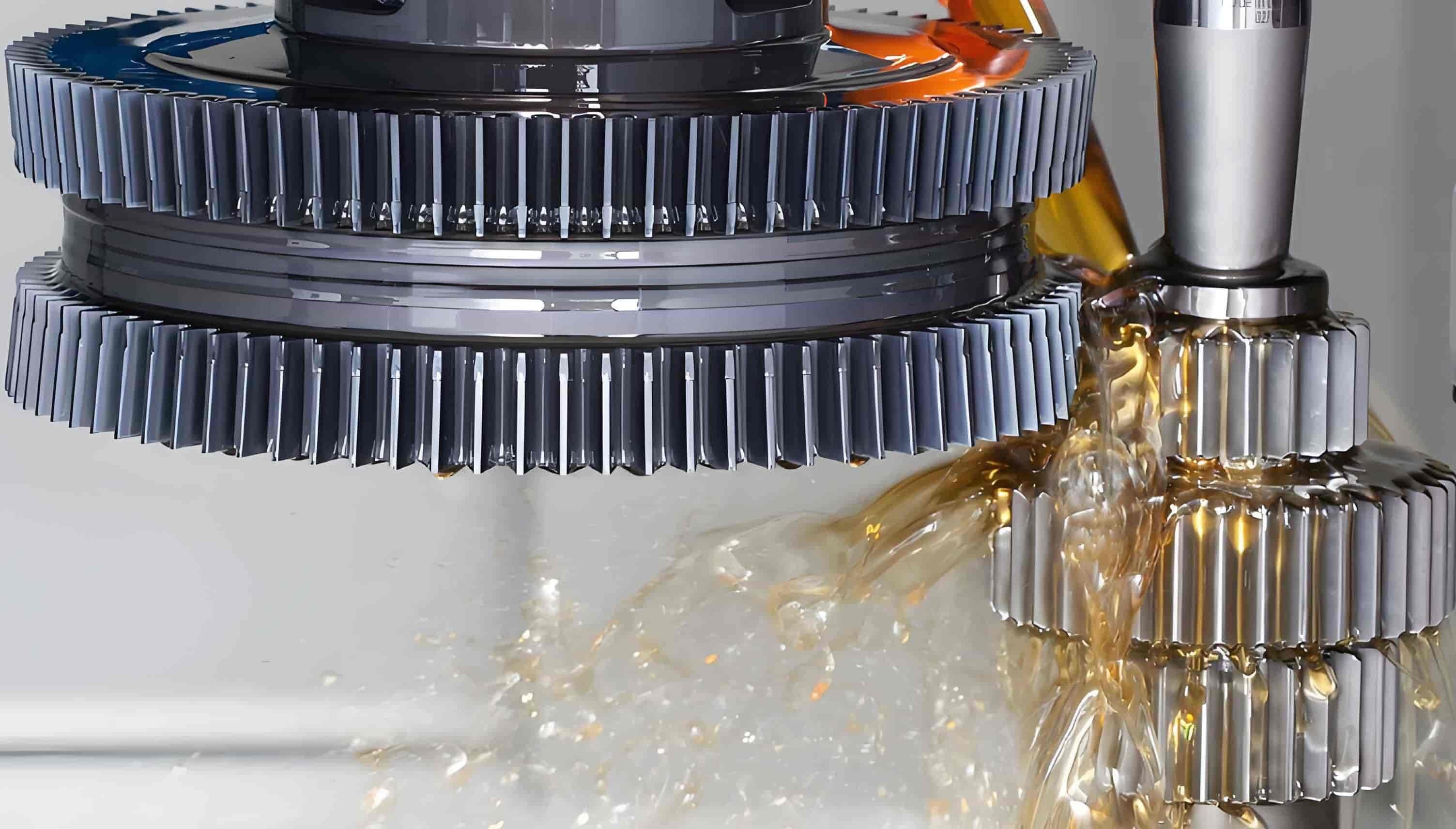
4. Gear Hobbing vs Gear Shaping: Key Differences
The table below summarises the main differences between gear hobbing and gear shaping from an engineering and manufacturing perspective.
| Aspect | Gear hobbing | Gear shaping | Practical meaning for customers |
| Gear types | Mainly external spur/helical, some worm | Internal gears, shoulder gears, complex sets | Choice depends strongly on gear geometry and access |
| Cutting motion | Continuous rotation with generating action | Reciprocating cutter + indexed rotation | Hobbing is faster; shaping is more flexible in tight spaces |
| Typical productivity | Very high for medium–large batches | Lower; better for small–medium volumes | Hobbing is usually more economical at scale |
Tool access | Needs clearance around gear OD | Can work inside bores and near shoulders | Shaping is preferred when hobs physically cannot reach |
Typical accuracy | ISO 6–8 with CNC hobbing | ISO 6–7 with modern CNC shaping | Both can support pre-grind or, in some cases, finished gear |
Set up & tooling | Hob design per module & helix; stable routing | More flexible for different profiles, but slower | Tooling strategy and batch size drive cost choice |
In practice, many driveline projects use both processes: external gears are hobbed, while internal or special gears in the same gearbox or axle are shaped.
5. How PairGears Uses Hobbing and Shaping in Four Sectors
Because PairGears focuses on four main application sectors, process selection is always tied to real gear layouts and duty cycles.
5.1 Agricultural Machinery
Hobbing: external gears in tractor transmissions, PTO drives and differential pinions
Shaping: internal ring gears in compact planetary stages, clutch hubs and shoulder gears in power-shift units
Agricultural environments are dusty and shock-loaded, so stable geometry and cost-effective series production are important. Hobbing covers large volumes; shaping is used where design requires internal or shoulder teeth.
5.2 Heavy Trucks
Hobbing: mainshaft gears, countershaft gears, axle drive pinions (often pre-grind)
Shaping: synchronizer hubs, internal gears and some stepped gears with tight shoulders
Heavy truck programs are characterised by high annual volume and strict durability targets. Hobbing supports high throughput; shaping provides flexibility for complex internal teeth and multi-step gears.
5.3 Construction Equipment
Hobbing: spur and helical gears in travel reducers and swing drives
Shaping: internal gears in planetary carriers, large internal rings in slew drives
Construction gears see high torque and shock loads, often in planetary layouts. Many key components have internal teeth that favour shaping, while external gears and pinions are usually hobbed and often finished by grinding.
5.4 EV-Related Systems
Hobbing: high-speed reduction gears and external pinions in e-axles
Shaping: compact internal gears, parking lock components and special shoulder gears
In EV projects, space and NVH are critical. Hobbing offers efficient cutting of high-speed gears before grinding; shaping is used where internal or very compact layouts prevent hob access.
6. How to Choose Between Hobbing and Shaping
When PairGears engineers review a new gear drawing or sample, the choice between hobbing and shaping is based on a combination of factors:
Gear geometry
External spur/helical with good tool clearance → usually hobbing
Internal gears, shoulder gears or gear clusters → often shaping
Production volume
High volume, repeatable design → hobbing preferred for lower cost per part
Low/medium volume or development → shaping can be competitive and flexible
Material and hardness route
Carburized and ground gears → hobbing or shaping as pre-hardening step, followed by grinding
Medium-hard gears with no grinding → method chosen to meet final tolerance directly
Accuracy and NVH requirements
Very high accuracy / low noise → pre-cut by hobbing or shaping, then profile and lead grinding
Standard industrial gears → hobbing or shaping may be the final tooth-cutting step
Cost and lead-time targets
For global OEM programs, process chains are optimised not only for one gear, but for the full gearbox or axle family over the platform lifecycle.
In many cases, the question is not “hobbing or shaping forever”, but which process is right for this gear in this program, considering the whole driveline.
7. Conclusion
Gear hobbing and gear shaping are two core gear cutting processes rather than competing technologies. Hobbing offers fast, economical cutting of external spur and helical gears with excellent repeatability, while shaping provides the flexibility needed for internal gears, shoulder gears and compact gear clusters where a hob cannot reach. Choosing the right hobbing or shaping route for each gear has a direct impact on accuracy, cost and feasibility for real driveline layouts.
As a precision gear manufacturer and custom gear supplier, PairGears selects and combines these cutting processes based on gear geometry, production volume, duty cycle and target sector – agricultural machinery, heavy truck, construction equipment and EV. If you are planning a new gearbox, axle or reducer, or need to review the manufacturing route for existing gears, Contact Us to Share your drawings, samples and operating conditions, and we will help you choose the right mix of hobbing, shaping and downstream operations for your application.
FAQ: Gear Hobbing and Gear Shaping Basics
Q1: When should I choose gear hobbing instead of gear shaping?
A: Use hobbing when you have external spur or helical gears with good tool clearance and medium to high volume. It is usually faster and more economical for these cases, especially when parts are later finished by grinding.
Q2: When is gear shaping the better choice?
A: Shaping is preferred for internal gears, shoulder gears and multi-gear assemblies where a hob cannot reach, or where you need flexible tooling for low/medium volumes or special profiles.
Q3: Can hobbing and shaping both be used on the same project?
A: Yes. It is common to hob external gears and shape internal or shoulder gears within the same gearbox, axle or planetary stage. Process choice is made gear-by-gear according to geometry and volume.
Q4: Does shaping always mean lower accuracy than hobbing?
A: No. Modern CNC shaping can reach similar ISO tolerance levels to CNC hobbing. In high-end applications, both are typically followed by gear grinding to achieve final accuracy and surface finish.
Q5: What information does PairGears need to decide between hobbing and shaping?
A: We usually need drawings or samples, gear type (internal/external), module, tooth count, space constraints, torque and speed range, duty cycle, target accuracy, annual volume and sector (agricultural, truck, construction or EV). This allows us to design an appropriate cutting and finishing route.