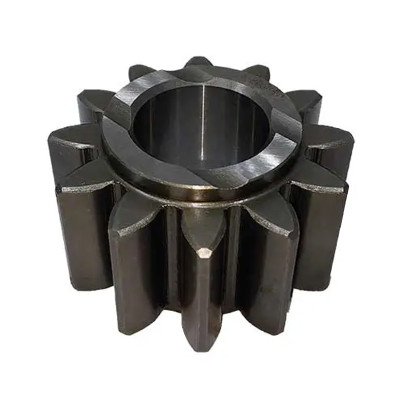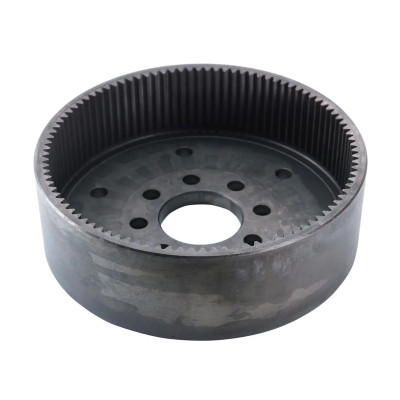
1. Stop corrosion
Remove machining residue and moisture, then use the agreed anti-rust fluid, paper or VCI method. Seal the package only after the preservation step is complete.
A good overseas-shipping package controls three risks together: corrosion, impact and tooth-to-tooth contact. Clean and dry the parts, apply the agreed rust-prevention method, wrap each gear separately and use a rigid carton or crate with enough cushioning for the part weight and geometry.
PairGears describes its cleaning, anti-rust and separate-carton process as part of the manufacturing route.
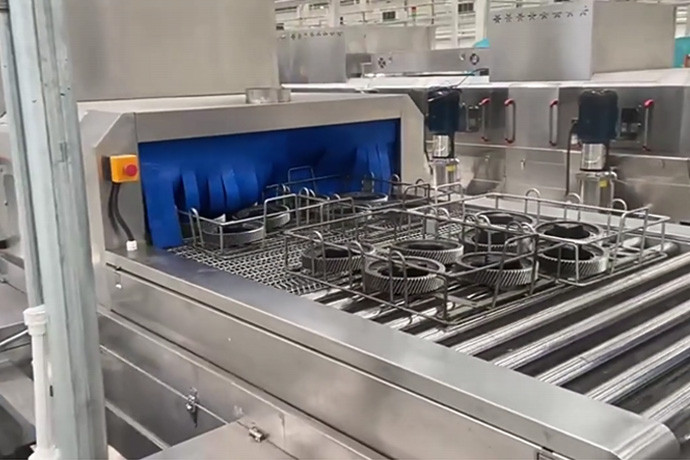
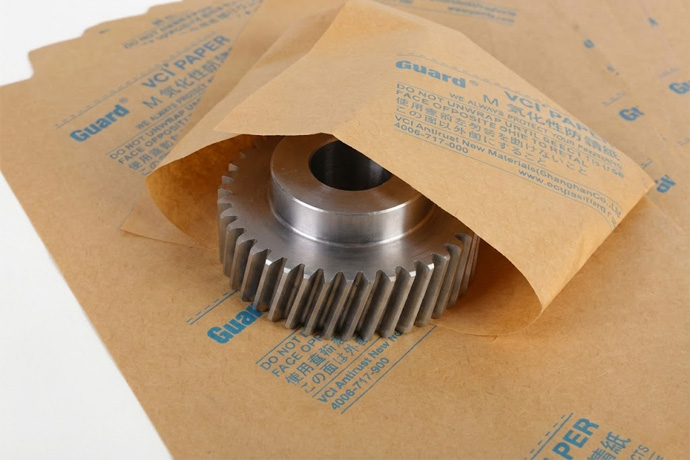
Remove machining residue and moisture, then use the agreed anti-rust fluid, paper or VCI method. Seal the package only after the preservation step is complete.
Separate mating or finished tooth surfaces with sleeves, paper or formed inserts. Do not let loose gears rub against one another during handling.
Match cushioning and carton strength to gear mass, shaft length and route. Immobilize heavy parts so shock loads do not transfer into teeth or thin sections.
For a broader checklist, review the pre-shipment gear inspection guide.
Confirm whether the inspection report, photos, packing list and rust-prevention record must be supplied before dispatch. If the gear is a matched set, label the pair and keep its orientation clear.
Review PairGears inspection servicesWatch PairGears production ShortsRequest an export-packing plan