
Can free-cutting brass worm gears be checked for surface durability?
Free-cutting brass worm gears: surface durability needs a material-specific check
Yes. A free-cutting brass worm gear can be checked for surface durability, but the calculation must use the actual alloy condition and service data, not a generic brass value. In a sliding worm mesh, material pairing, lubricant, sliding speed, temperature, contact pressure and duty cycle may govern wear or pitting before a simple bending-strength comparison does.
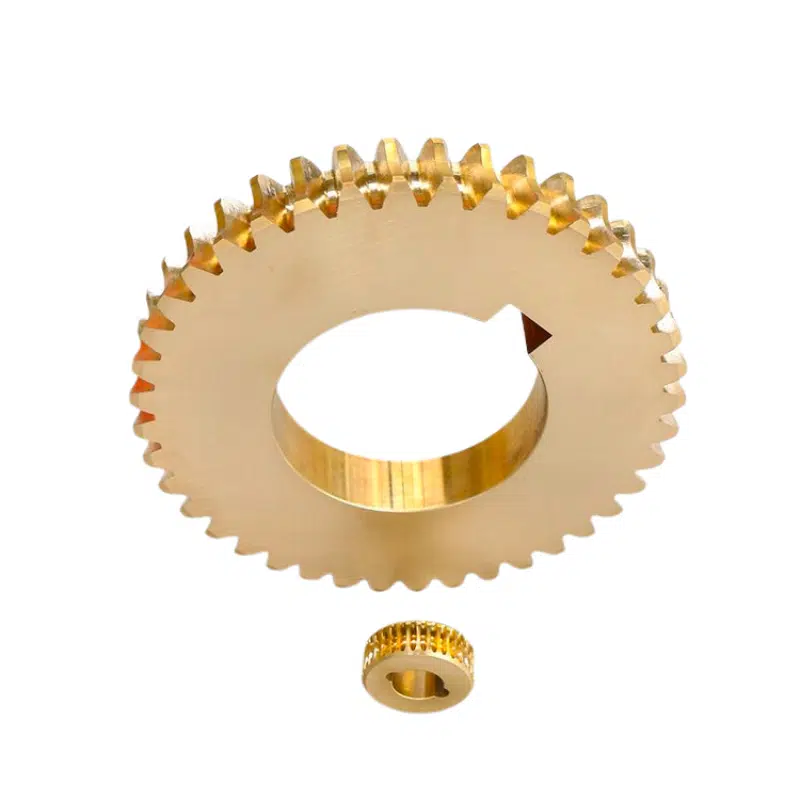
What the durability review must include
Identify the actual material condition: name the free-cutting brass grade or composition range, material condition, hardness if available, wheel geometry and the mating worm material, hardness and finish. Then provide speed, torque, duty cycle, lubricant type, operating temperature, contamination risk and required life.
Free-cutting brass is selected primarily for machinability; it should not be assumed to behave like tin bronze or aluminium bronze in a sliding pair. Assess surface durability together with tooth-root strength and thermal performance, then confirm that the material pair and lubricant are suitable for the contact conditions. The PairGears worm-gear material guide shows why material choice has to follow load, environment and wear conditions.
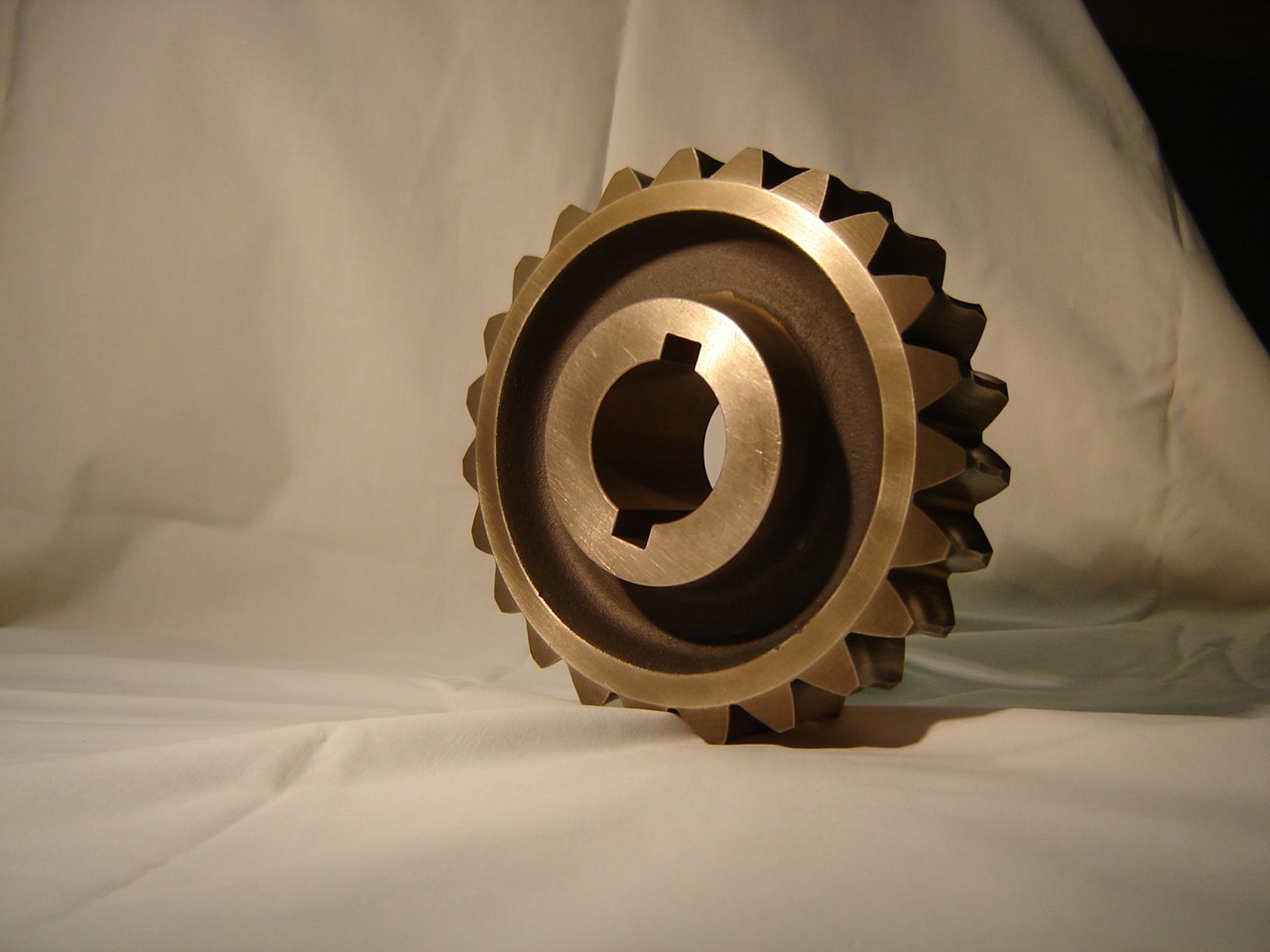
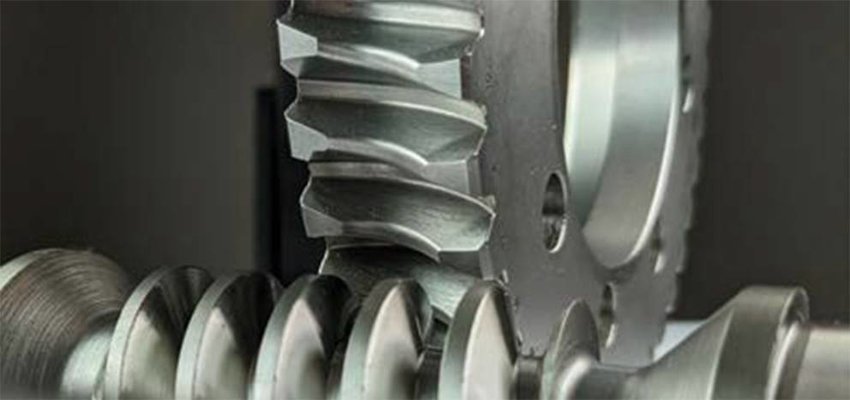
Example and decision check
A low-speed, light-duty actuator may pass with one brass grade and lubricant, while the same geometry at higher sliding speed can become limited by heat and wear. Treat material property data, lubricant and operating temperature as calculation inputs. If the alloy is unknown, identify it before releasing a durability claim.
Are you looking for a reliable manufacturer of down home textile products?
We can quickly provide customers with market analysis, technical support and customized services.- *Name
- Phone
- *Title
- *Content