
What is gear efficiency?
Gear efficiency: direct answer
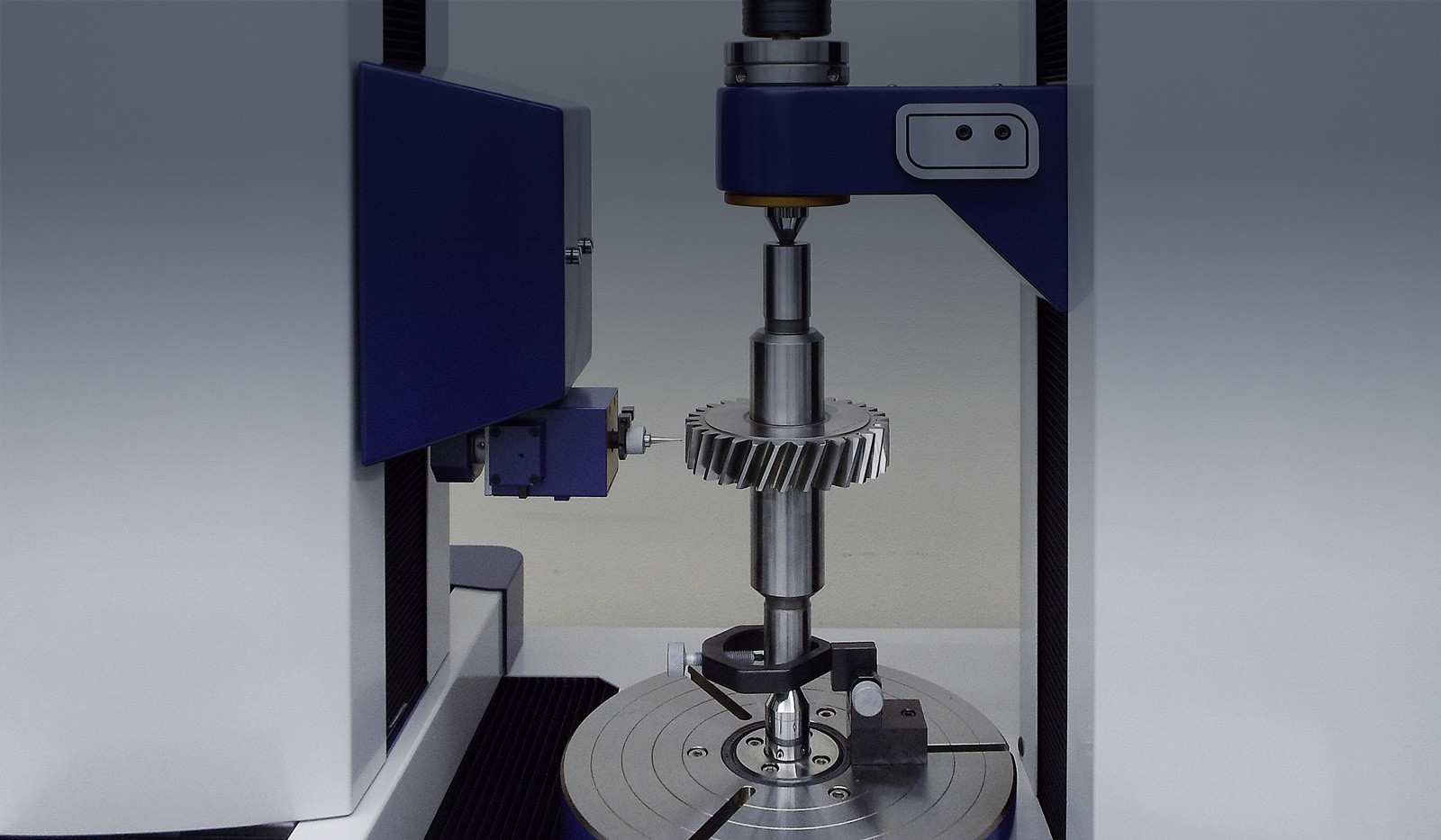
Gear efficiency is the proportion of input power delivered at the output after losses within the gear mesh and its supporting system. Losses can come from tooth sliding and rolling contact, bearings, seals, lubricant churning, windage and misalignment. A percentage is meaningful only when the gear type, ratio, load, speed, lubricant, temperature and measurement boundary are stated.
Detailed explanation
A gear set is not automatically efficient simply because the teeth look smooth or because it is a particular type. Spur and helical meshes, for example, have different contact patterns and bearing loads; worm and hypoid arrangements can involve more sliding. PairGears should receive the complete transmission context before any efficiency-related manufacturing or replacement conclusion is drawn.
For component context, see PairGears product categories. A drawing, mating-part details, duty conditions and an agreed inspection method are more useful than a label alone.
Example and decision data
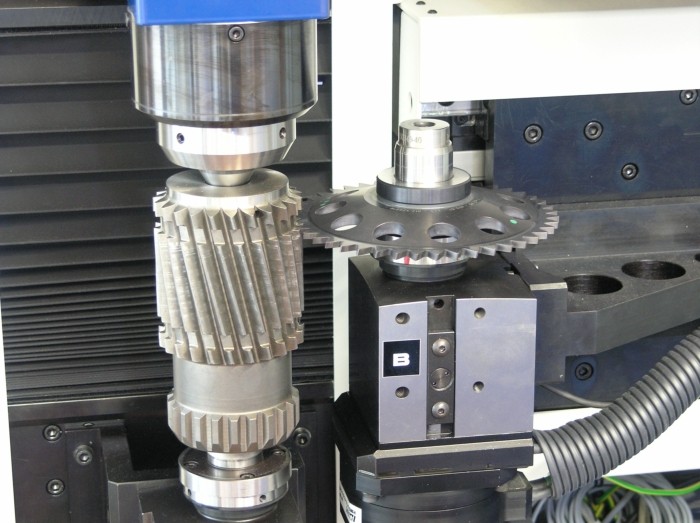
For a measured input of 10 kW and output of 9.5 kW at the stated operating point, the assembly efficiency is 95%. That figure cannot be transferred unchanged to a different load, speed, oil viscosity or gearbox because the losses move with the conditions. Record input and output torque and speed, lubricant state, oil temperature and the included components before comparing designs.
Are you looking for a reliable manufacturer of down home textile products?
We can quickly provide customers with market analysis, technical support and customized services.- *Name
- Phone
- *Title
- *Content