
What do 1, 2 and 3 mean on an automatic transmission selector?
What do 1, 2 and 3 mean on an automatic transmission selector?
The 1, 2 and 3 positions on an automatic selector control lower gears, but their exact behavior depends on the transmission. A position may hold one gear or restrict the available range. These selections can provide engine braking or other model-specific control. They are not fixed road speeds; use the owner’s manual for the exact vehicle and transmission.
Distinguish a range limit from a gear hold
A range limit allows automatic shifting within a smaller set of gears. For example, Honda’s 2004 Accord manual describes D3 as allowing the first three gears. The same manual describes position 2 as holding second gear, including when the vehicle stops.
Other transmissions use different logic: Ford’s referenced automatic-transmission manual describes position 3 as starting and operating in third gear only. Therefore, “3 always shifts through first, second and third” is not a universal rule.

Understand why lower selections are provided
When the transmission permits it, a lower gear keeps engine speed higher for a given road speed and can increase engine braking on a descent. Some handbooks also specify a higher-gear start for particular low-traction conditions. These instructions depend on the vehicle.
Do not select a low position at an arbitrary speed. Follow the handbook’s shift limits and road-condition guidance; automatic protection differs between models. Engine braking assists speed control and does not replace the service brakes.
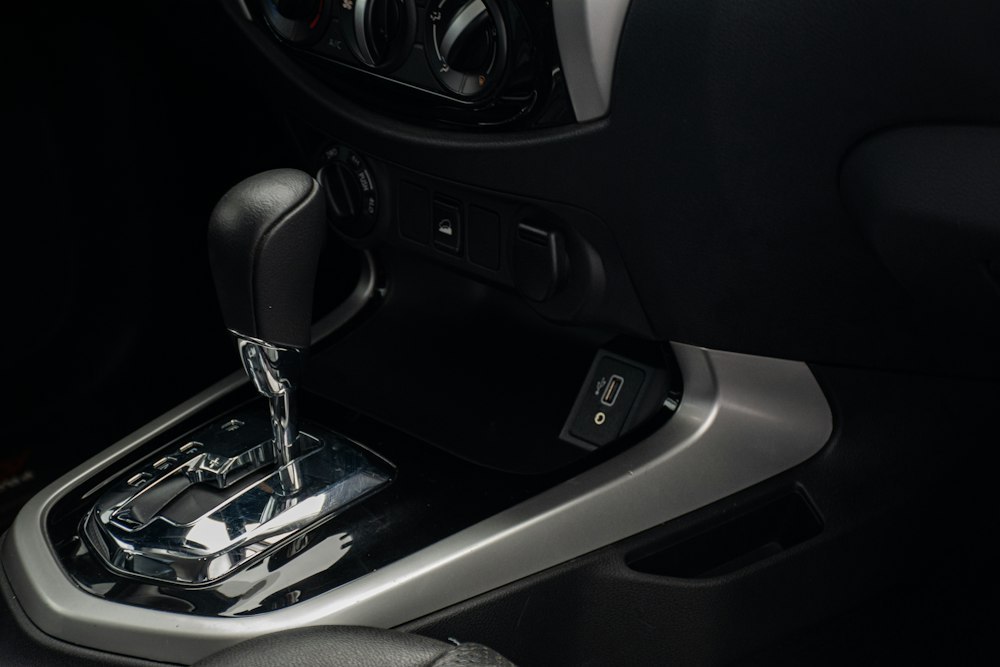
Identify the transmission before interpreting its numbers
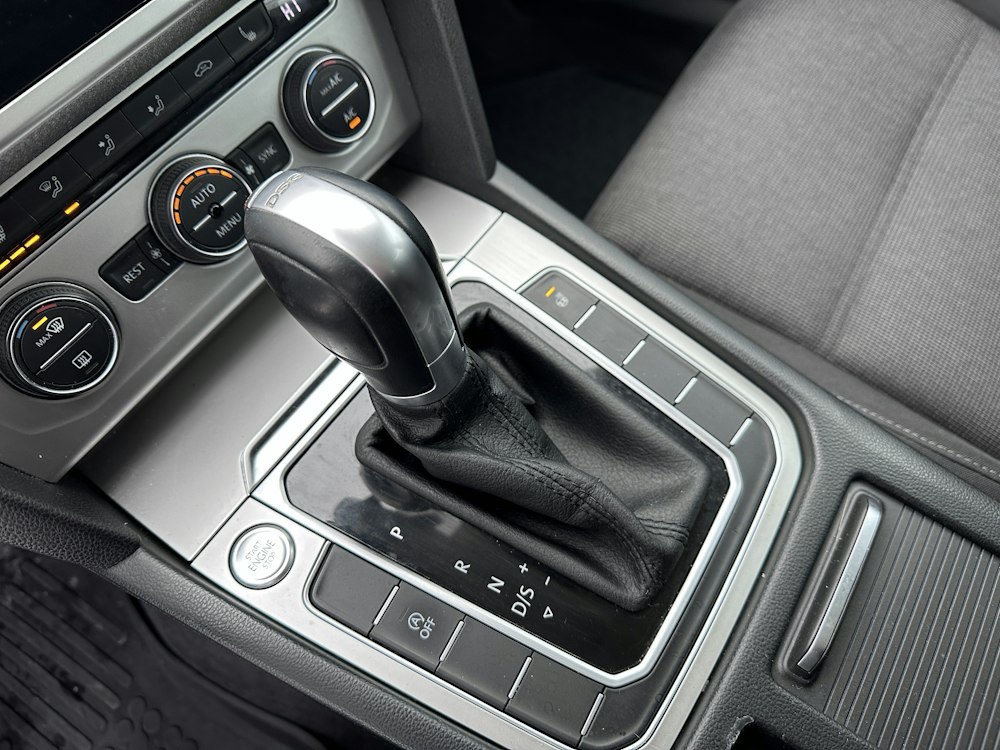
Modern selectors may use D, S, L, M, a plus/minus gate or shift paddles instead of separate 1/2/3 positions. Their functions cannot be inferred from another vehicle’s markings. A displayed number may indicate the selected range or the current gear, depending on the system.
For mechanical background, see the PairGears gear-ratio explanation. The selector position names an operating command; it does not identify the tooth count or part number of a replacement gear.
Are you looking for a reliable manufacturer of down home textile products?
We can quickly provide customers with market analysis, technical support and customized services.- *Name
- Phone
- *Title
- *Content