What Affects Worm Gear Efficiency
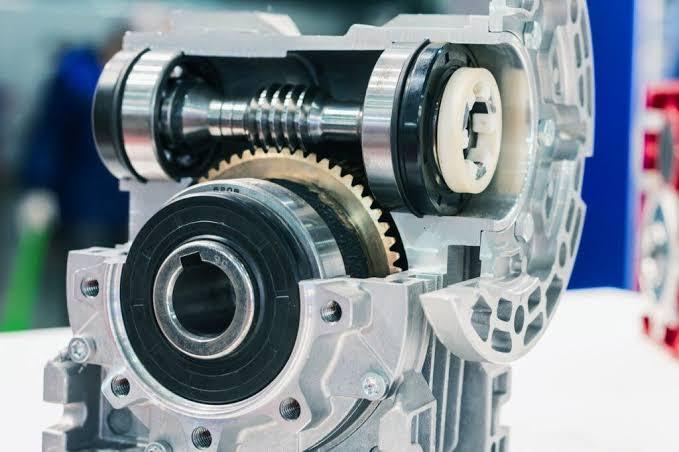
Worm gear sets are often chosen when a machine needs a large speed reduction in a compact space. They are used in gearboxes, lifting systems, conveyors, valve actuators, automation equipment and many other industrial drives. The layout is simple to recognize: a worm drives a worm wheel, usually at a right angle. But the way this pair transfers motion is different from many spur or helical gear systems.
The key difference is sliding contact. Because the worm and wheel slide against each other during meshing, friction, lubrication and heat control have a strong influence on real performance. That is why worm gear efficiency cannot be judged by ratio alone. For custom worm gears, PairGears reviews the drawing, ratio, speed, torque, material, heat treatment and application conditions together before suggesting a practical manufacturing route.
What Really Affects Worm Gear Efficiency?
Worm gear efficiency is not decided by the gear ratio alone. It is shaped by several practical factors, including lead angle, worm starts, sliding friction, material pairing, lubrication, tooth surface quality, load, speed and assembly accuracy. In many cases, a larger lead angle and stable lubrication can help reduce friction loss, but the final result still depends on how the gear set is designed, manufactured and used.
This is why two worm gear sets with similar size and ratio may still perform differently in real equipment. A lifting device that runs only a few times per hour has different efficiency concerns from a conveyor, actuator or gearbox working for long periods. For buyers, the useful question is not just “what is the efficiency?” but whether the worm gear design matches the actual duty cycle, load and installation conditions.
Design Factors Behind Worm Gear Efficiency
Lead Angle
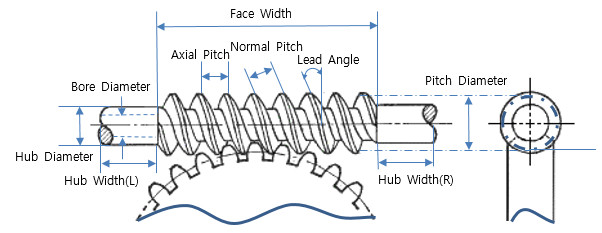
Lead angle has a direct effect on worm gear efficiency. A smaller lead angle is often used for higher reduction ratios and may increase the tendency toward self-locking, but it can also bring more friction loss. A larger lead angle can help improve efficiency, although it may reduce the self-locking effect.
Worm Starts
Worm starts also change the balance between ratio, output speed and efficiency. A single-start worm is often used for compact high-ratio designs, while a multi-start worm can increase output speed and improve efficiency in suitable applications.
Self-locking should not be assumed. If self-locking is required for holding or safety, it should be reviewed as a design requirement instead of assumed for every worm gear set.
Sliding Friction Between the Worm and Wheel
Worm gear sets usually have more sliding contact than many other gear pairs. This is one reason they can be compact and smooth, but it is also why friction control matters so much.
Power Becomes Heat
Part of the input power is lost through sliding friction and becomes heat.
Lubricant Film Matters
The tooth surfaces rely heavily on stable lubrication to separate the sliding surfaces.
Surface & Material Matter
Material pairing and surface finish can strongly influence friction, wear and local pressure.
A worm gear design that only checks ratio and center distance may miss these practical details. If the contact area is too small, the surface is rough, or lubrication is not suitable for the speed and load, the gear set may run hotter and wear faster than expected.
Manufacturing Details That Change Real Performance
Material Pairing
Many worm gear sets use a steel worm with a bronze worm wheel. This combination is common because it balances strength, sliding behavior, wear resistance and anti-seizing performance. But it is not a universal answer for every project.
Material choice should be reviewed with the actual operating condition. A high-load, continuous-duty drive may need better wear resistance and closer attention to heat. An intermittent device may place more weight on cost, lead time and basic reliability. For replacement projects, it is also risky to identify material only by the color or worn surface of an old gear. Drawings, samples, material checks and working conditions give a safer basis for review.
Lubrication and Heat Control
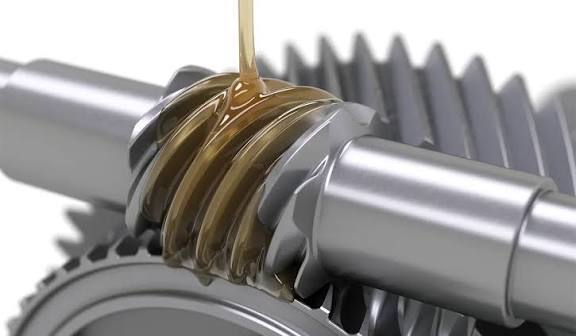
Lubrication has a direct effect on worm gear efficiency. A suitable lubricant reduces sliding friction, helps carry heat away from the contact area and slows down wear. If lubrication is poor, metal-to-metal contact can increase, and the gear set may become noisy, hot or unstable.
Viscosity also matters. Oil that is too light may not hold a stable film under load. Oil that is too thick may increase drag and churning loss. The right choice depends on speed, load, gearbox design, temperature and duty cycle.
Surface Finish and Tooth Contact
Tooth surface quality affects how the worm and wheel actually run together. A smoother and more accurate tooth surface can help reduce friction and support more stable contact. Poor surface finish or uneven contact may create local pressure, break the lubricant film and increase heat generation.
This is why worm gear projects should not be judged only by visible dimensions. Center distance, tooth count and outside size may look correct, while contact pattern and surface condition still create different running results. For demanding applications, tooth geometry, surface finish and inspection requirements should be confirmed before production.
Working Conditions That Can Change Efficiency
A worm gear set does not operate at one fixed efficiency under all conditions. Load, speed and duty cycle can change the real result.
For quotation or technical review, ratio alone is not enough. Input speed, output torque, running time, ambient temperature and duty cycle all help the manufacturer understand whether the design is realistic.
Alignment and Assembly Accuracy
Even a well-made worm and wheel can perform poorly if the assembly is not controlled. Center distance, shaft position, bearing support and housing accuracy affect the contact area between the worm and wheel. When the contact shifts away from the intended position, friction and local wear can increase.
The final gear set is a system. Worm, wheel, shaft, bearing and housing accuracy all work together. If inspection documents are required, the expected gear inspection report items should be discussed before production, not after the parts are finished.
What Buyers Should Share Before Quotation
For a custom worm gear project, complete working information helps the manufacturer review both efficiency and manufacturability.
| Item to Confirm | Why It Matters |
|---|---|
| Gear ratio | Affects reduction, torque and gear geometry |
| Input speed | Influences heat, lubrication and wear |
| Output torque | Helps evaluate load and tooth strength |
| Duty cycle | Shows whether heat buildup may become a concern |
| Material | Affects strength, friction and wear behavior |
| Lubrication | Influences sliding friction and temperature control |
| Installation space | Affects center distance, layout and gear size |
| Accuracy requirement | Defines machining and inspection scope |
| Application | Helps balance efficiency, self-locking and durability |
With this information, it becomes easier to decide whether a standard worm gear set is suitable or whether lead angle, worm starts, material pairing, lubrication or finishing should be adjusted.
Why Choose PairGears for Worm Gear Projects?
Worm gear projects should be reviewed by application, not only by dimensions. PairGears checks the ratio, speed, torque, duty cycle, material, lubrication and installation conditions together, so the manufacturing route can match how the gear set will actually work after assembly.
Review the Design
Check ratio, worm starts, lead angle, speed, torque and self-locking requirement.
Review the Contact Conditions
Check material pairing, lubrication, surface finish, tooth contact and heat-related factors.
Review the Manufacturing & Inspection Route
Confirm drawing, sample or application requirements together with accuracy and inspection needs.
For custom worm gears, we can support projects based on drawings, samples or application requirements. Our review can include worm starts, material selection, heat treatment, tooth contact, surface finish and inspection needs. If you are developing or replacing a worm gear set, share your project details with PairGears for a practical manufacturing review.
FAQ About Worm Gear Efficiency
What is worm gear efficiency?
Worm gear efficiency describes how much input power is converted into useful output power through the worm gear set. Lower efficiency means more power is lost as friction and heat.
Why are worm gears less efficient than some other gears?
Worm gears have more sliding contact than many rolling gear pairs, so friction loss is usually more noticeable. Lead angle, material pairing, lubrication and surface finish all affect this loss.
Does a higher gear ratio reduce efficiency?
Not always, but higher ratios are often connected with smaller lead angles, which can increase friction influence. Actual efficiency still depends on the full design and working condition.
Can lubrication improve worm gear efficiency?
Yes. Suitable lubrication helps reduce sliding friction, control heat and slow down wear. The lubricant type and viscosity should match the actual speed, load and environment.
Are all worm gears self-locking?
No. Self-locking depends on lead angle, friction, lubrication, load, vibration and wear condition. It should not be assumed for every worm gear set.
Conclusion
Worm gear efficiency is the result of design, manufacturing and working conditions acting together. Lead angle, worm starts, sliding friction, material pairing, lubrication, surface finish, load, speed and alignment all influence how much power is lost as heat and how stable the gear set runs over time. That is why efficiency should be reviewed together with the real application, not treated as a fixed value based only on gear ratio.
A suitable worm gear design is usually a balance between reduction ratio, torque capacity, space, heat control, self-locking tendency and service life. Before finalizing a custom worm gear set, buyers should confirm the operating speed, load, duty cycle, lubrication method and installation conditions.
Need a Custom Worm Gear Manufacturing Review?
If you are developing or replacing a worm gear set, send your drawing, ratio, speed, torque, material, lubrication, duty cycle and installation requirements. We can use that information to review a practical production and inspection route before quotation.