Define the transmission
State parallel, intersecting or crossed shafts; required ratio; rotation direction; torque; speed; reversing duty; noise limits and available envelope.
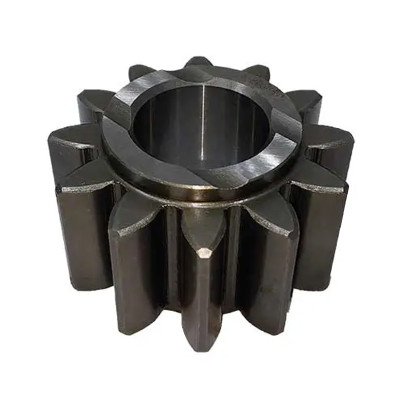
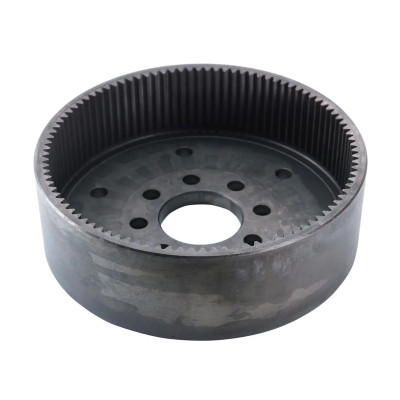
Start with how the gear must transmit motion: shaft orientation, ratio, torque, speed, duty cycle and whether it meshes with an existing part. Then identify the gear family—such as spur, helical, bevel, worm or internal gear—and state the geometry, material, heat treatment, accuracy and inspection requirements that control fit and performance.
PairGears can review a drawing or a structured data sheet; its gear terminology guide explains why module/DP, pressure angle and tooth form must not be mixed up.
State parallel, intersecting or crossed shafts; required ratio; rotation direction; torque; speed; reversing duty; noise limits and available envelope.
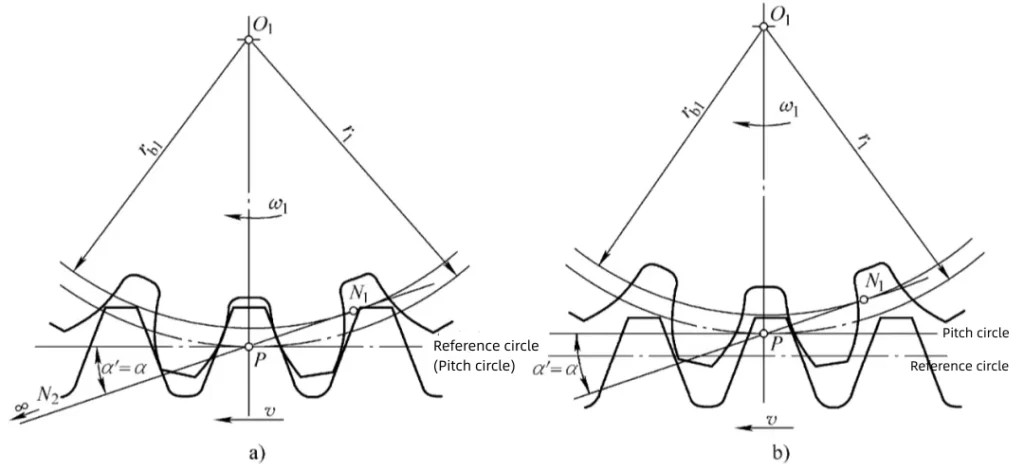
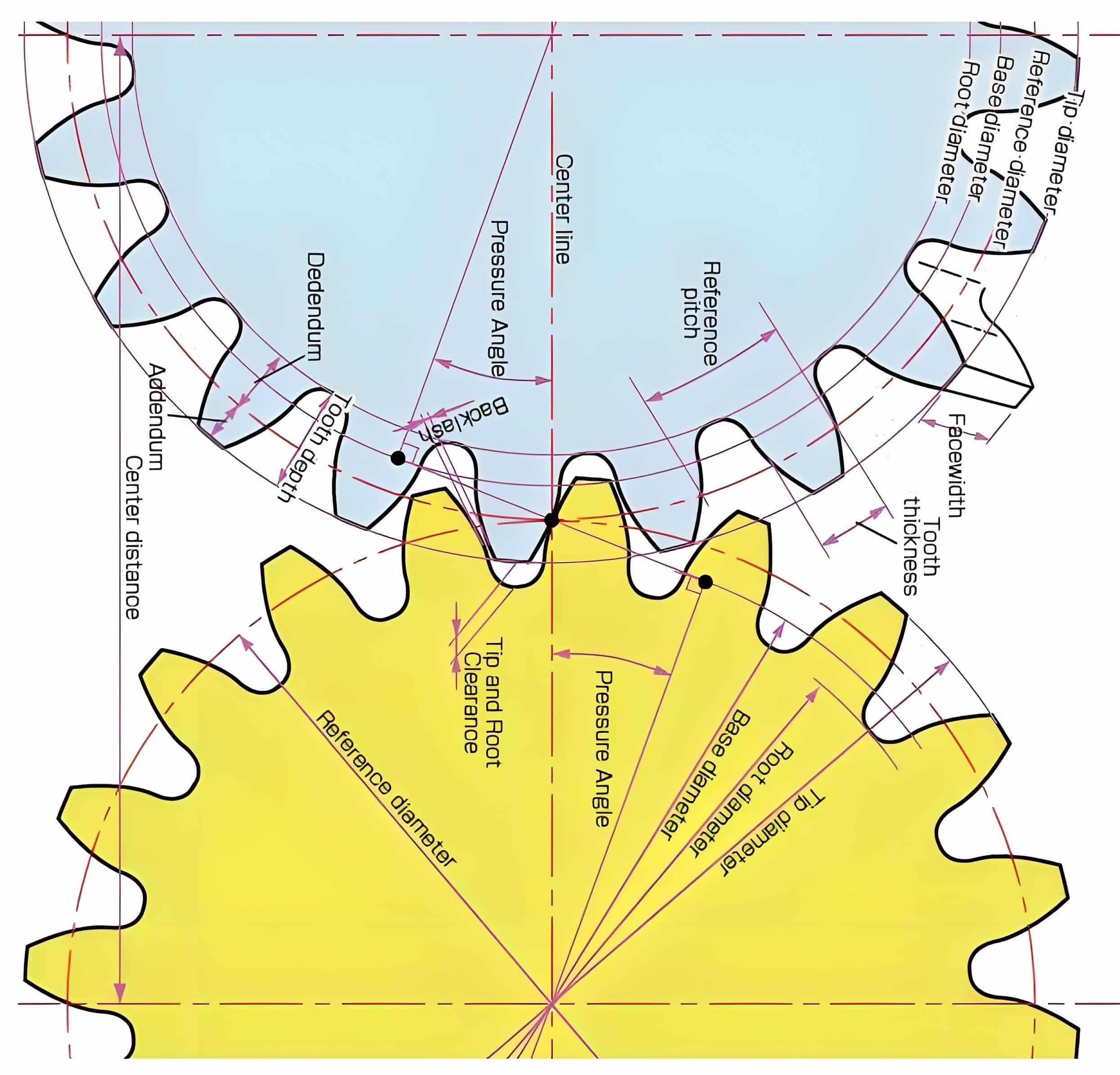
For cylindrical gears, provide module or diametral pitch, tooth count, pressure angle, helix angle and hand where applicable. For a mating pair, provide both members and center distance.
Specify material, heat-treatment condition, bore/shaft features, runout, accuracy grade, backlash or contact requirements, quantity and the inspection evidence needed.
For a helical replacement gear, a useful request might include: 24 teeth, stated module or DP, pressure angle, helix angle and hand, face width, bore/keyway, mating-gear details, material/heat treatment, target quantity and operating load. A photo or sample helps only when it is tied to measurements or drawing data.
Do not assume a gear will interchange because its outside diameter looks similar. Tooth system, mating relationship and mounting details can change the result.
Ask for a drawing review when the mating arrangement or critical dimensions are not yet confirmed.