
Can microgeometry corrections improve gear contact pattern and reduce noise?
Microgeometry corrections can improve contact pattern and may reduce gear noise
Yes. When crowning, lead modification or another microgeometry correction is specified from load, alignment and contact data, it can improve how a gear pair shares load and may reduce noise. It is not a universal finishing add-on: the right correction depends on gear type, duty, mating part, mounting errors and the agreed inspection method. PairGears should confirm the exact route against the drawing.
The goal is controlled contact under the real operating condition—not simply the lowest possible profile or lead number.
What the correction is intended to manage
- Lead crowning: can reduce sensitivity to shaft or housing misalignment by avoiding concentrated end contact.
- Profile modification: can manage engagement and load transfer when tooth deflection or transmission error matters.
- Contact pattern: should be reviewed with the mating gear, mounting distance, torque direction and expected load range.
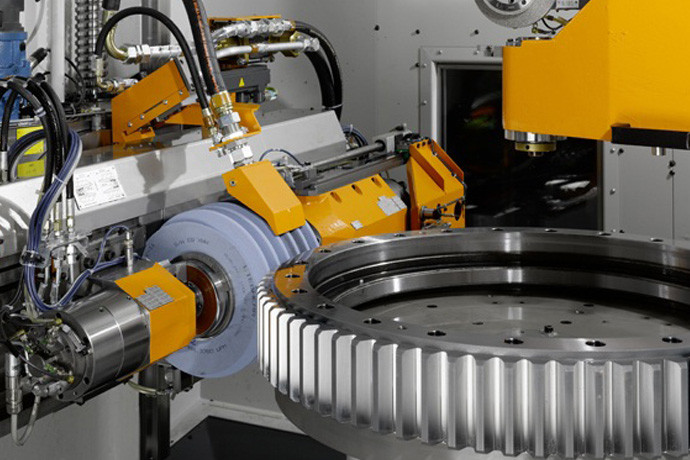
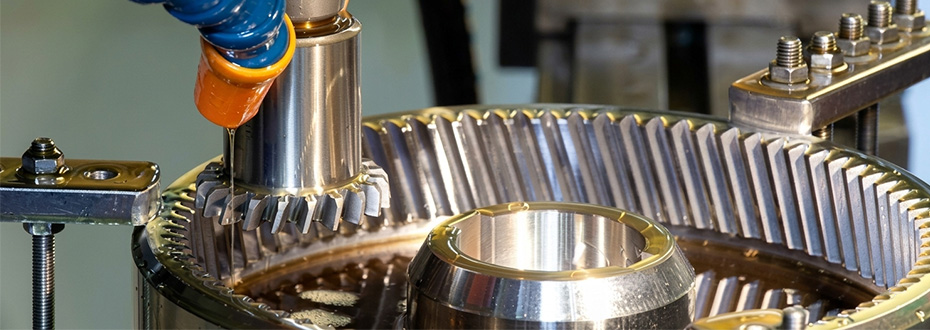
Gear grinding can refine tooth geometry after heat treatment; the PairGears gear-grinding guide gives the process context.
Example: data a supplier needs before proposing crowning
Provide the current drawing, gear type and ratio, mating-gear data, material and heat-treatment route, torque and speed range, bearing and housing arrangement, contact-mark result, noise condition and the requested profile/lead reporting method. Without that basis, a correction can shift the contact problem rather than solve it.
For a noise complaint, also compare backlash, assembly, lubrication and the mating component; finishing alone is not proof of root cause.
Are you looking for a reliable manufacturer of down home textile products?
We can quickly provide customers with market analysis, technical support and customized services.- *Name
- Phone
- *Title
- *Content