
How should precision gears be packed to prevent rust and tooth damage overseas?
Precision gear packaging for overseas shipping
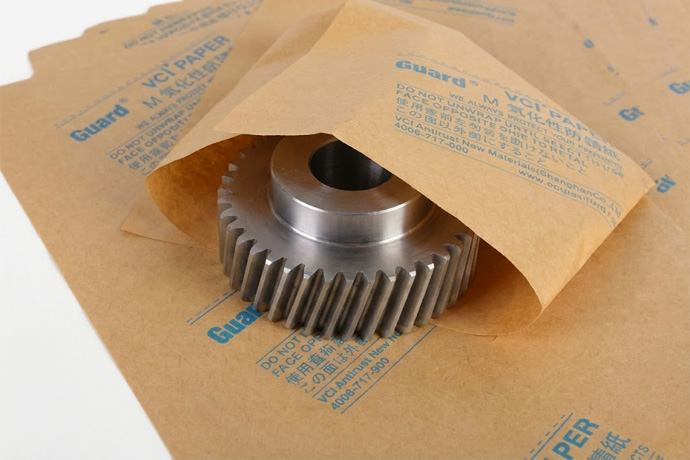
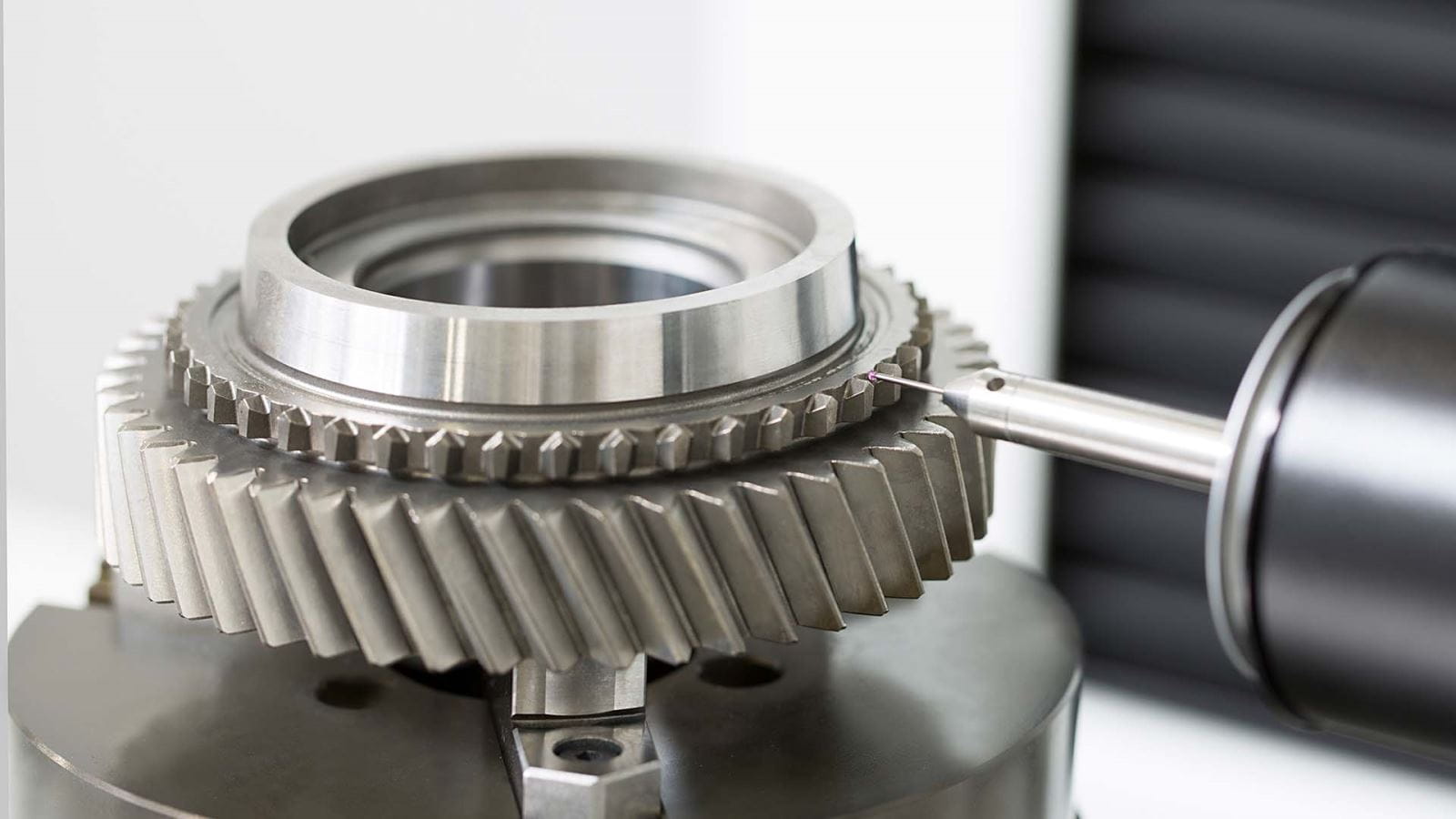
Precision gears should be packed as a controlled part of shipment release: keep finished surfaces dry and protected, prevent gear-to-gear contact, support tooth edges against impact, and identify each pack clearly. There is no single universal pack because gear size, surface finish, heat treatment, quantity, transport route and storage time change the risk. Confirm the packing plan with the drawing and order requirements before dispatch.
Specify the protection controls, not just “export packing”
- Anti-rust condition: agree the preservation method and storage or transit expectation, especially for ground or finished tooth flanks.
- Part separation: use dividers, wraps or dedicated pockets so teeth, bores and faces cannot rub during handling.
- Impact support: match inner supports and outer cartons or crates to the part weight and stack/load exposure.
- Release evidence: define whether photos, labels, quantity checks or packing records are needed before shipment.
PairGears notes that anti-rust protection, part separation, labeling and export packing should be checked before dispatch when they are important to the order.
Example: turn the requirement into a release check
For a finished matched gear set, the purchase order can require a defined anti-rust method, individual separation that protects tooth flanks, pair identification, quantity per carton, and a pre-dispatch packing photo. PairGears can review the requested pack against the part geometry and shipment conditions; final packing details should be confirmed in the order.
Are you looking for a reliable manufacturer of down home textile products?
We can quickly provide customers with market analysis, technical support and customized services.- *Name
- Phone
- *Title
- *Content