
What should I confirm for U.S. customs, HTS and ISPM 15 packaging?
U.S. customs, HTS and ISPM 15 checks for gear shipments
For a U.S.-bound precision-gear shipment, confirm the commercial invoice, packing list, product description and country-of-origin data with the importer or customs broker before dispatch. The importer of record should verify the final HTSUS classification. If regulated solid-wood pallets, crates or dunnage are used, confirm the required ISPM 15 treatment and visible mark before loading.
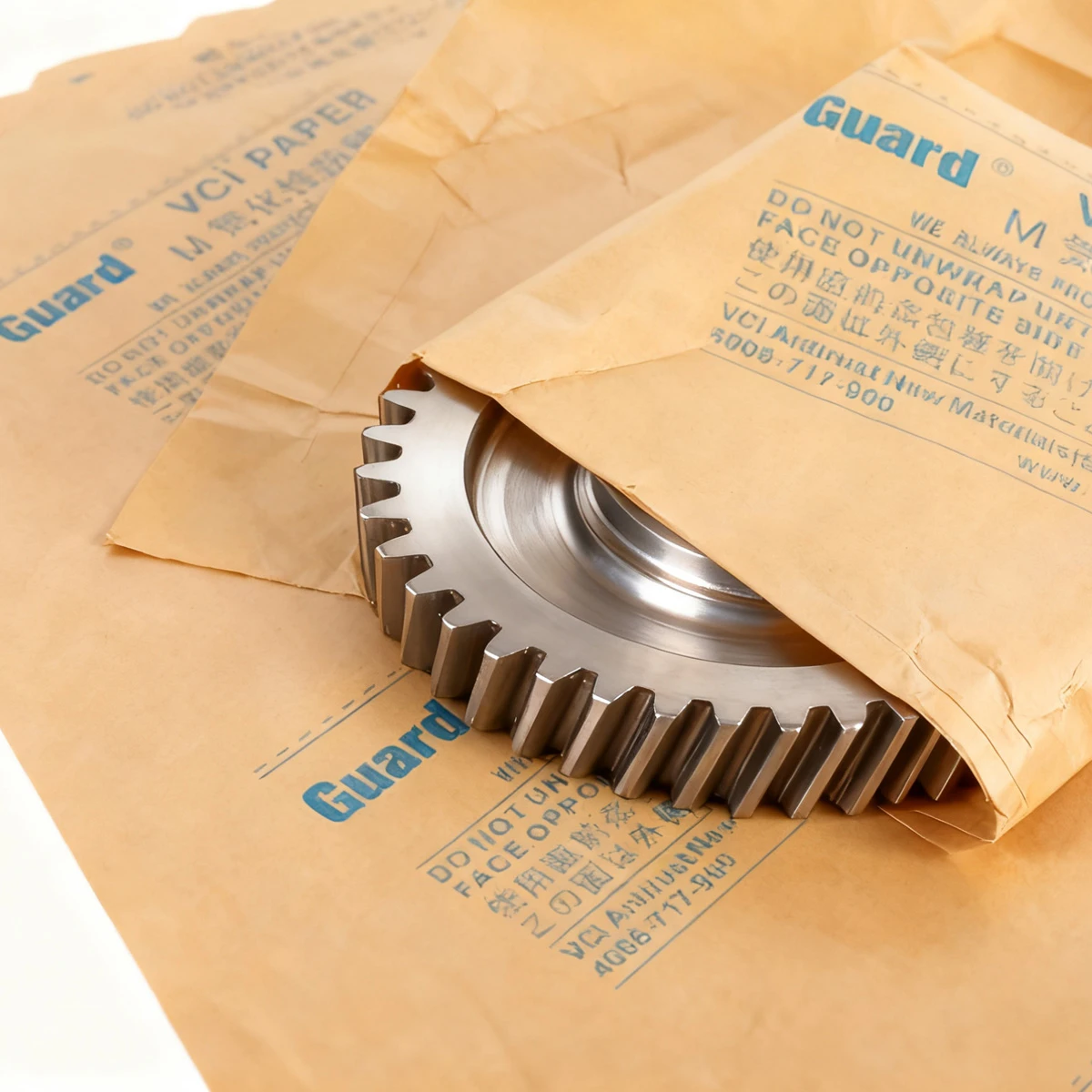
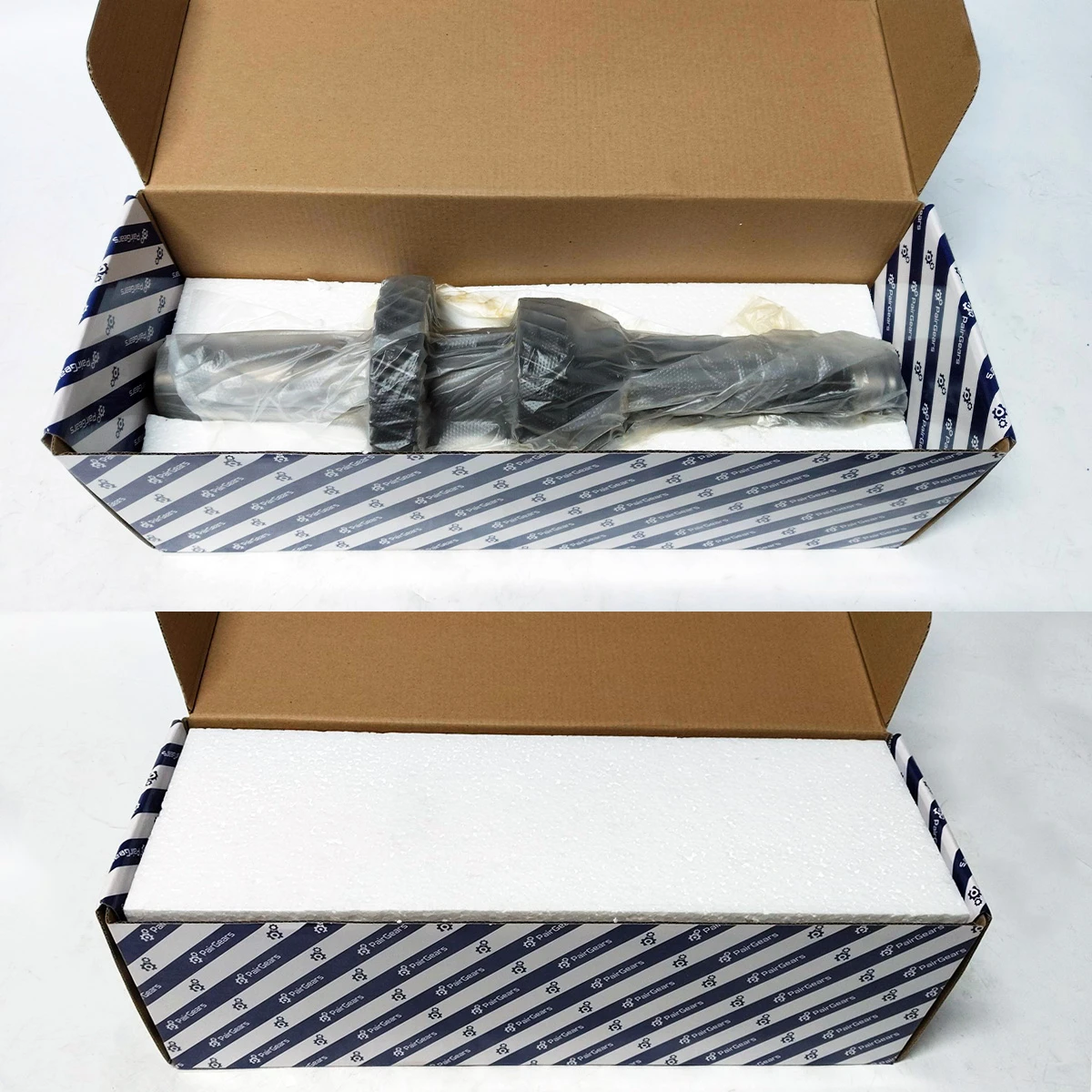
Separate product data from importer compliance
- Describe the gear accurately: part number, material, use, quantity, value, country of origin and packaging count should match the commercial documents.
- Verify classification: a supplier may provide technical data, but the importer or its broker should confirm the final HTSUS treatment and entry details.
- Check wood packaging: U.S. APHIS identifies pallets, crates and dunnage as examples of regulated wood packaging material; look for the complete ISPM 15 mark and avoid assuming plywood or other processed wood is treated the same way.
A shipment-release checklist
Before release, ask the importer or broker to sign off on the invoice description and classification basis, then photograph any ISPM 15 marks on solid-wood packaging. Keep the packing list aligned with the outer labels. This is a verification workflow, not a claim that PairGears can determine your final tariff treatment or guarantee customs clearance.
For packaging context, see PairGears packaging and logistics services.
Are you looking for a reliable manufacturer of down home textile products?
We can quickly provide customers with market analysis, technical support and customized services.- *Name
- Phone
- *Title
- *Content