
How much torque can a set-screw gear mounting transmit?
Set-screw gear mounting torque: treat it as a retention check
A set-screw gear mounting has no universal torque rating. Its usable capacity depends on screw size and grade, tightening torque, hub and shaft materials, shaft diameter and surface condition, contact geometry, keyways or flats, axial load, vibration and safety factor. A set screw is usually a positioning or light-duty retention method unless the full assembly has been checked. PairGears should review the mounting data with the gear application.

What controls the usable mounting torque
Do not calculate from gear diameter alone: torque transfer comes from the clamping and contact conditions at the shaft and hub. Check the screw thread and cup-point geometry, specified tightening torque, shaft hardness and finish, hub wall thickness, bore tolerance, engagement length and whether the screw bears on a flat, dimple or keyway. A keyway can alter the local contact area and stress state, while vibration or reversing torque can loosen a marginal design.
For higher or cyclic torque, compare the set-screw concept with a key, spline, interference fit, clamping hub or another positive-drive feature. Confirm the chosen route in the drawing and assembly instructions, then use the PairGears product catalog as a starting point for a project-specific gear review.

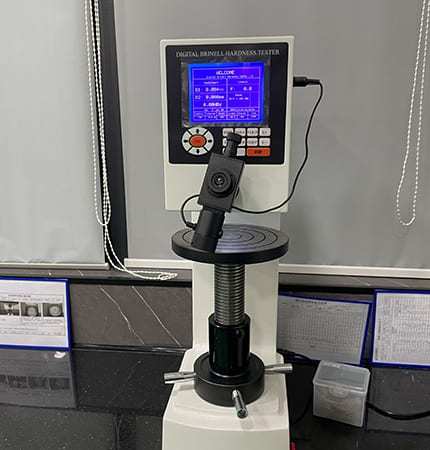
Example and decision check
A small gear may see modest steady torque yet high shock or reversing torque during starts and stops. Even if a set screw initially prevents slip, fretting, shaft marking or loss of preload can change the result over time. Specify the shaft material, bore fit, screw size and tightening method, expected torque range, axial load and safety factor before setting a retention requirement.
Are you looking for a reliable manufacturer of down home textile products?
We can quickly provide customers with market analysis, technical support and customized services.- *Name
- Phone
- *Title
- *Content