
What materials are industrial gears made of?
Industrial gear materials: choose the material with the full duty cycle
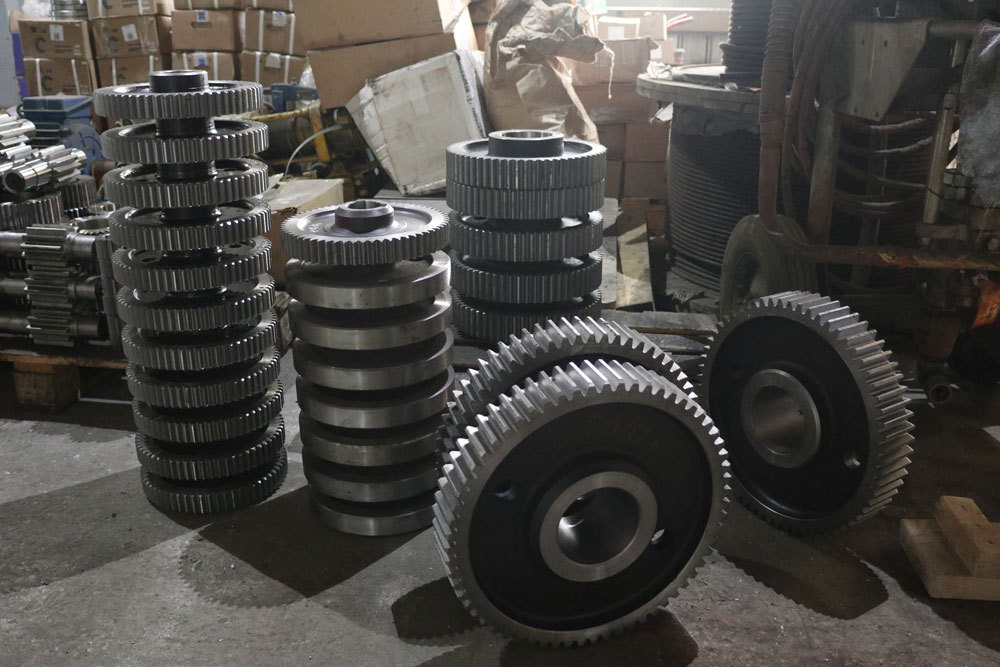
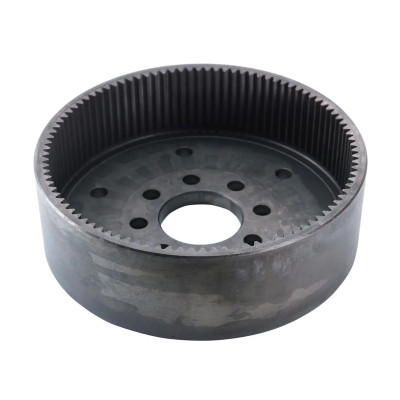
Industrial gears are often made from carbon or alloy steels, while stainless steels, bronzes, cast irons, aluminum alloys and engineering plastics can fit specific conditions. The material cannot be chosen by strength alone: PairGears should evaluate torque, speed, duty cycle, lubrication, temperature, corrosion, tooth geometry, heat treatment, mating material and inspection requirements together before release.
Start with the material family, then validate the route
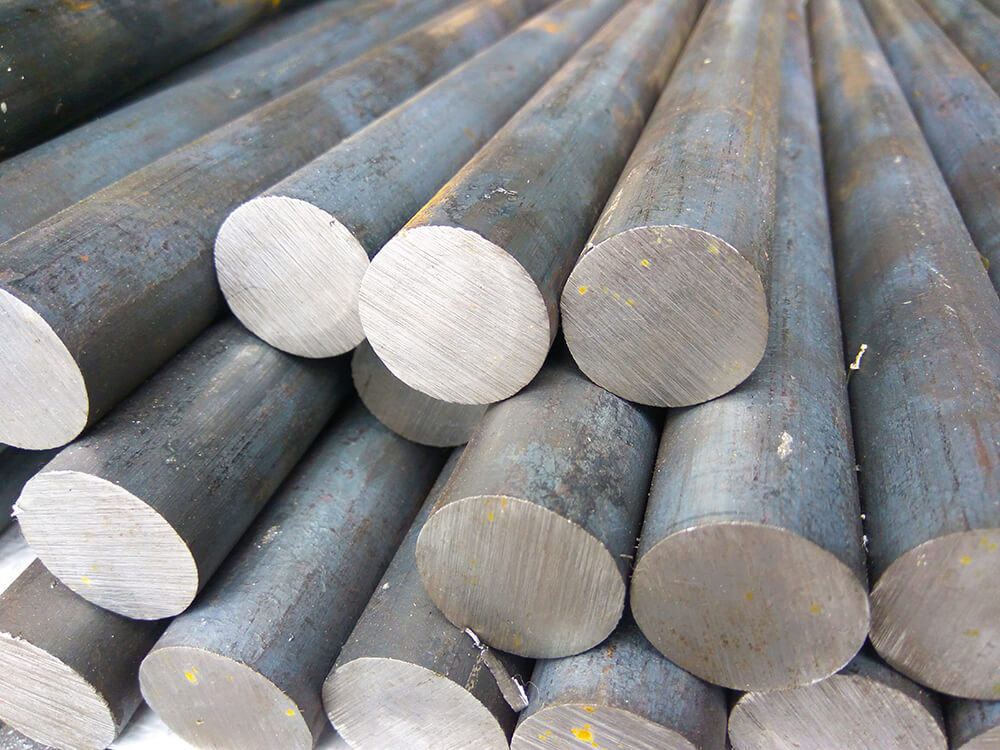
Steels are widely used where strength, fatigue resistance and heat-treatment options are needed. Bronze and other copper alloys are often considered for suitable sliding pairings such as worm wheels. Stainless steels can be relevant where corrosion resistance matters, while engineering plastics can suit defined load, temperature and environmental limits. None of these labels alone proves service suitability.
The PairGears custom-gear material overview lists material options used for drawing-based projects. Confirm the actual grade, material condition, heat-treatment route and required records on the approved specification.
Example or decision check
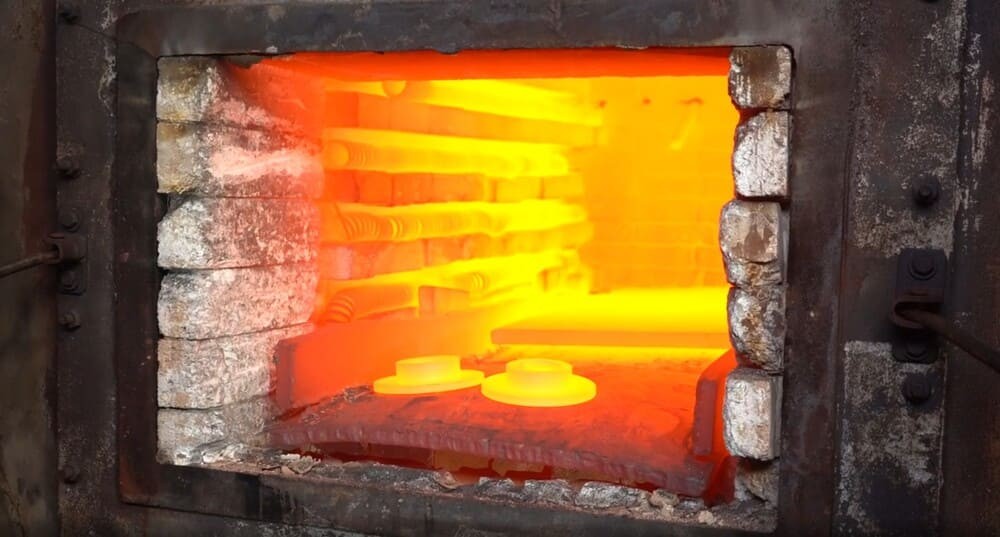
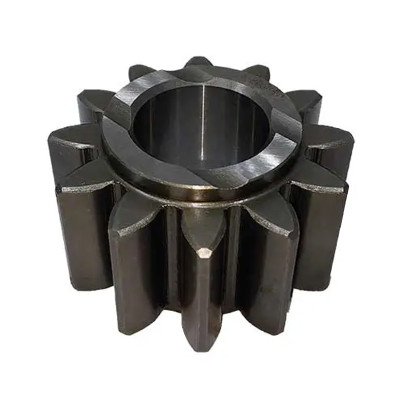
A carburized alloy-steel pinion may be appropriate for a compact, heavily loaded stage, while a bronze worm wheel needs a review of its mating worm, sliding speed, lubricant and temperature. The decision record should state the material grade, heat treatment, hardness or case-depth target where applicable, drawing revision and inspection evidence.
Are you looking for a reliable manufacturer of down home textile products?
We can quickly provide customers with market analysis, technical support and customized services.- *Name
- Phone
- *Title
- *Content