
How can I improve the efficiency of a worm gear drive?
How can I improve the efficiency of a worm gear drive?
Improve worm-drive efficiency by reducing avoidable sliding, bearing, seal and oil-churning losses. Start with the specified lubricant, correct oil level, accurate alignment and suitable operating load. If redesign is possible, review lead angle, ratio and material pairing together. Compare input and output power at the same speed, load and temperature; a cooler housing alone does not prove higher efficiency.
Start with the installed drive
Record speed, output torque, duty cycle, oil temperature and the current lubricant specification. Check the approved mounting arrangement, contact pattern, bearings and seals. Correct misalignment or excessive bearing preload against the assembly specification rather than trying to compensate with a different oil.
For a design change, lead angle and friction must be considered together. More worm starts can change both lead angle and reduction ratio; a replacement worm must remain compatible with its wheel. Check the complete pair rather than modifying one part in isolation.
Choose lubrication for the actual contact
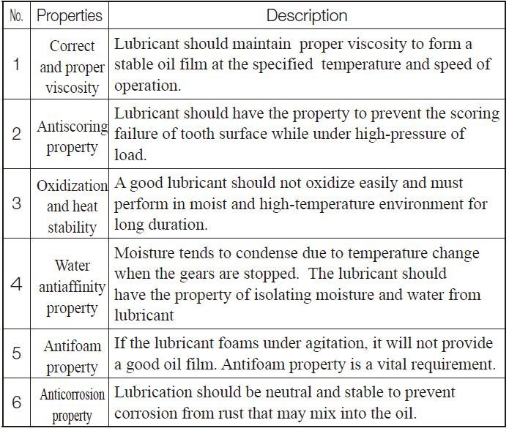
Use the gearbox maker's approved oil type and viscosity for the operating temperature, speed and load. Confirm compatibility with the wheel material and seals. A lower-viscosity oil may reduce some losses but can also leave an inadequate film; thicker oil is not automatically better either.
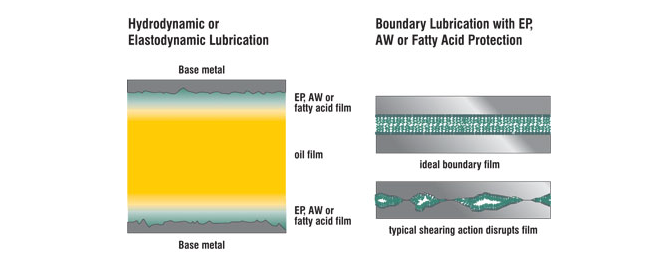
The PairGears lubrication overview explains oil properties and delivery methods. Any oil change still needs approval for the specific worm gearbox, including mixing and flushing requirements.
Measure the result and account for heat
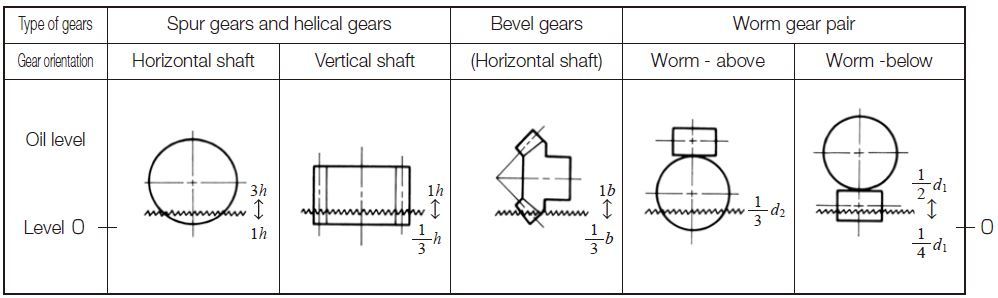
Set oil level for the specified mounting position. Overfilling can increase churning; underfilling can starve contacts. Check cooling and thermal capacity for the duty rather than treating a fan as proof of reduced mechanical losses.
At a defined steady operating point, efficiency is output power divided by input power. For example, 1.0 kW entering the gearbox and 0.75 kW leaving it give 75% efficiency and 0.25 kW of losses. Use shaft-power measurements for gearbox efficiency; electrical input also includes motor losses. Record auxiliary cooling power separately when comparing system energy use.
Are you looking for a reliable manufacturer of down home textile products?
We can quickly provide customers with market analysis, technical support and customized services.- *Name
- Phone
- *Title
- *Content