
How can SPC and a control plan prove precision-gear batch consistency?
How can SPC and a control plan prove precision-gear batch consistency?
SPC and a control plan do not prove consistency by themselves; the evidence must show that defined critical characteristics are measured with a capable system, plotted over time and linked to a reaction plan. For a precision gear, review stable control charts, capability results against agreed limits, lot traceability, change records and final inspection data together.
Define the characteristics and the measurement method
Start with the drawing and application, not a generic spreadsheet. Identify the characteristics that can change fit, load sharing, noise or life: for example tooth profile, lead, pitch, runout, tooth thickness, bore-to-tooth datum relationship, hardness or case depth. Assign the inspection method, frequency, sample size, responsible operation and record for each agreed characteristic.
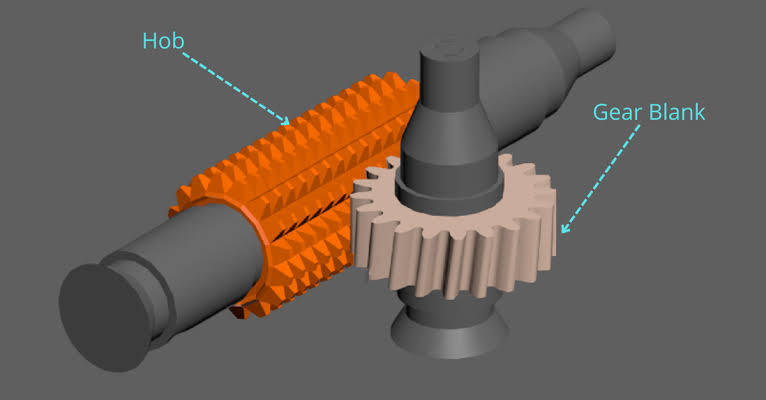
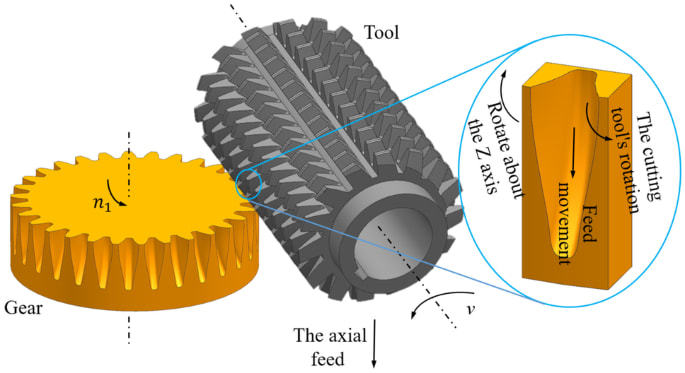
The measurement system must resolve the tolerance and remain controlled. A neat chart cannot compensate for mixed drawing revisions, an unstable gauge or data collected from different datums. PairGears’ gear accuracy control guide shows why blank, datum, cutting, heat treatment, finishing and final inspection belong to one route.
Show stability before quoting capability
Plot each critical characteristic in production sequence using a chart appropriate to the data. Control limits describe the observed process; they are not substitutes for drawing specification limits. Investigate points beyond a limit and non-random runs or shifts. Only after the process and measurement method are demonstrably stable should capability be compared with the agreed specification.
Ask the supplier to state the data window, subgroup logic, exclusions and calculation method. Do not accept a Cpk value without the underlying distribution, dates, part and process identity. A customer-specific capability threshold should be agreed in writing; this FAQ does not invent a universal pass value.
Connect every signal to a reaction and a lot record
A control plan is useful when it says what happens after a warning: stop or contain production, identify the last known-good check, segregate affected pieces, verify the tool and setup, correct the cause, re-inspect and document release authority. Link that evidence to material heat, heat-treatment lot, machine or operation, inspection record and shipment lot.
Trend data and final inspection answer different questions. SPC looks for process change; final inspection confirms the submitted lot against the acceptance plan. Review both, plus approved change records, rather than treating a final report as proof that the process stayed stable.
Are you looking for a reliable manufacturer of down home textile products?
We can quickly provide customers with market analysis, technical support and customized services.- *Name
- Phone
- *Title
- *Content