
What should I ask a precision gear supplier before a first order?
What should I ask a precision gear supplier before a first order?
Before a first precision-gear order, ask the supplier to define the manufacturing baseline: controlled drawing revision, material and heat treatment, process route, outsourced operations, inspection method, sampling, records, traceability, change approval, packaging, delivery milestones and nonconformance response. The useful answer is written evidence tied to your part—not a generic certificate or promise of “high quality.”
Lock the technical and commercial baseline
Ask which drawing revision, gear standard, material condition, heat treatment, hardness, tooth accuracy, datums, critical dimensions and mating information will govern the order. Confirm prototype, trial and production quantities; tooling ownership; quoted process route; outsourced operations; price breaks; delivery terms and the exact documents included.
If the RFQ is incomplete, require the supplier to list assumptions and open points instead of silently choosing them. Compare quotations on the same scope. The PairGears quotation comparison guide shows why a low unit price can hide different tooling, heat-treatment or inspection content.
Ask what evidence will release the sample and the lot
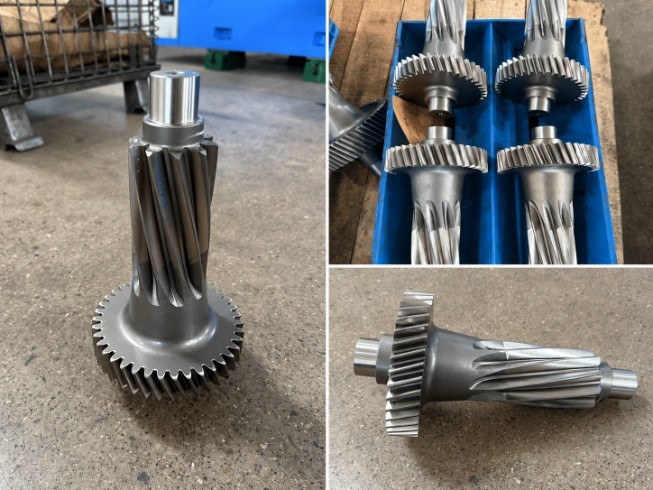
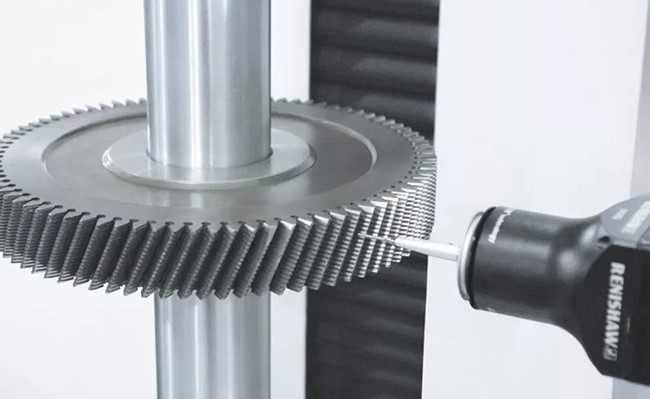
Request the proposed inspection plan: characteristic, instrument, method, frequency, sample size and acceptance rule. Ask whether a first-article or sample report will include raw results, tooth profile and lead traces where relevant, runout, tooth thickness, bore and datum checks, material and heat-treatment records, hardness or case depth and any functional contact check.
Confirm calibration traceability and who reviews deviations. A quality-system certificate can add confidence, but its scope and issuer should be verified and it does not replace part-specific acceptance evidence. Decide before ordering whether any deviation requires written customer approval.
Test change control, traceability and problem response
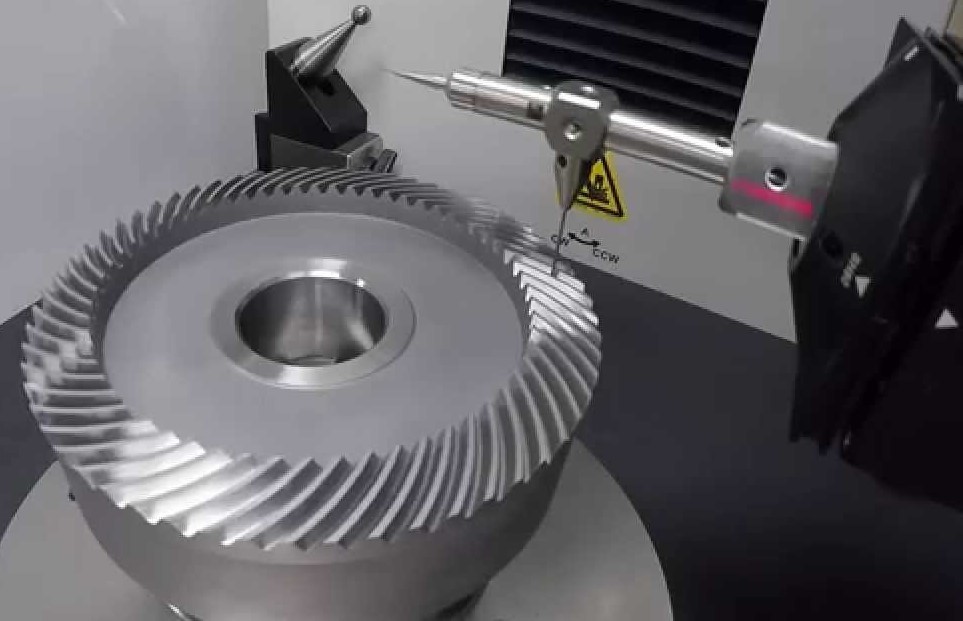
Ask how the supplier links drawing revision, material heat, heat-treatment batch, manufacturing lot, inspection record and shipment. Require notification and approval rules for changes to material, source, tooling, machine, heat-treatment route, inspection method or production location when those changes matter to the application.
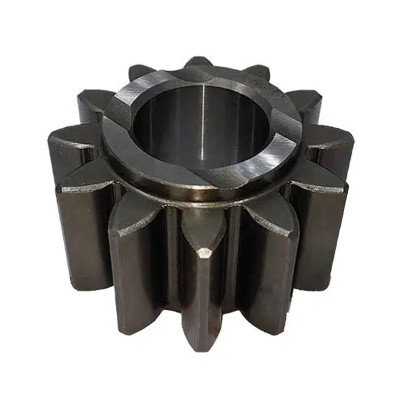
Finally, agree packaging and rust protection, delivery milestones, escalation contacts and the evidence expected for a nonconformance: containment, lot scope, root cause, corrective action and effectiveness review. Use a pilot order to verify the promised process before relying on it for repeat volume.
Related questions
- How can buyers audit a precision gear factory remotely before placing a large order?
- Can I request PairGears business documents during supplier onboarding?
- How can I request a quote for a custom precision gear to avoid missing costs later?
Are you looking for a reliable manufacturer of down home textile products?
We can quickly provide customers with market analysis, technical support and customized services.- *Name
- Phone
- *Title
- *Content