
How does PairGears support a long-term custom gear supply relationship?
How does PairGears support a long-term custom gear supply relationship?
PairGears can support a long-term custom gear supply program by fixing the approved drawing and revision, confirming first-article and inspection evidence, preserving lot traceability, controlling changes, reviewing forecasts and capacity, and closing nonconformities through documented corrective action. The exact records, safety stock, pricing and delivery plan should be agreed for each program rather than assumed from a general supplier relationship.
Start with one controlled technical and commercial baseline
Long-term supply becomes reliable when both sides work from the same approved revision. Define the gear drawing or manufacturing specification, material and heat treatment, critical dimensions, gear accuracy, inspection method, packaging, quantity, price basis, delivery terms and the people authorized to approve changes.
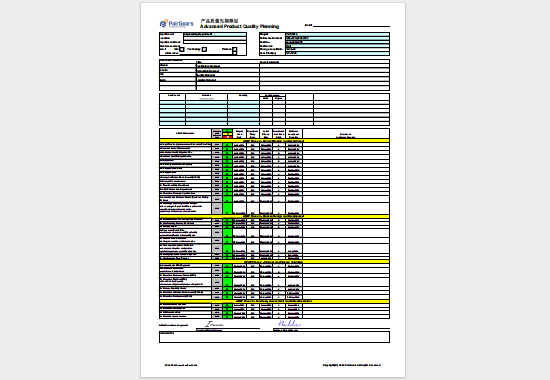
The PairGears custom-project workflow describes the path from requirement confirmation to sample evidence and production release. Open assumptions should be recorded during quotation instead of being carried silently into repeat orders.
Approve the process and preserve traceable evidence
Use the first article or approved sample to lock the revision, process route and acceptance evidence. For each lot, retain the agreed material or heat number, production lot, heat-treatment record, inspection result and shipment identity. The PairGears traceability FAQ explains why the required identifiers and retention period should be confirmed before ordering.
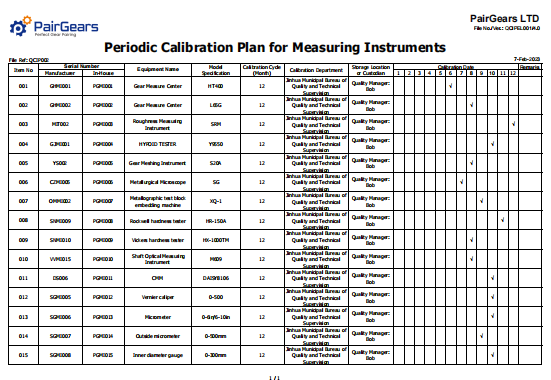
Inspection equipment also needs a defined calibration status and suitable measurement uncertainty. The customer should agree which records accompany every shipment and which are retained for audit or requested only when a deviation occurs.
Manage forecasts, changes and corrective action as one program
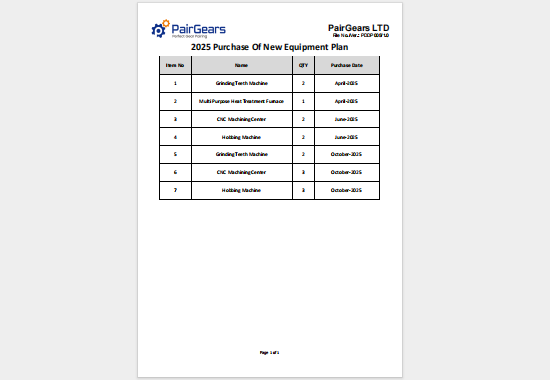
Share realistic forecasts, firm release windows and expected demand changes so capacity, raw material, tooling and inspection resources can be reviewed. Agree how safety stock, minimum releases and lead-time changes will be handled; these terms are project-specific and should be written into the supply arrangement.
No drawing, material, heat-treatment source, tooling, machine route, subcontractor or inspection method should change without the agreed notification and approval path. When a nonconformity occurs, contain the affected lot, identify the root cause, verify corrective action and monitor recurrence. This closes the loop without treating a long relationship as a substitute for measurable controls.
Are you looking for a reliable manufacturer of down home textile products?
We can quickly provide customers with market analysis, technical support and customized services.- *Name
- Phone
- *Title
- *Content