Plastic gears vs metal gears: Key Differences and Uses
Plastic and metal gears both do the same job in a drive train, but they’re not the same part in different clothes. They differ in load capacity, weight, noise, temperature range, dimensional stability, and what they cost to produce. The cheapest part on paper isn’t always the right part. You have to match the material to your real load, speed, environment, and how long the machine should run. Over the life of a machine, a bad match shows up as worn teeth, failed drives, and downtime.
PairGears makes custom gears for a wide range of industries. If you’re an OEM, a buyer, or part of a development team weighing plastic gears, sorting the material out early beats fixing problems after production.
What’s Actually Different
Plastic Gears
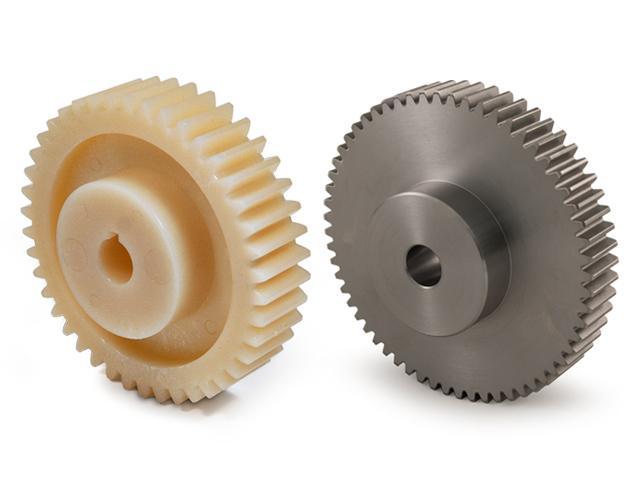
Plastic gears are light, quiet in many cases, and rust-free, so they suit light to medium duty as long as the material can handle the work.
Metal Gears
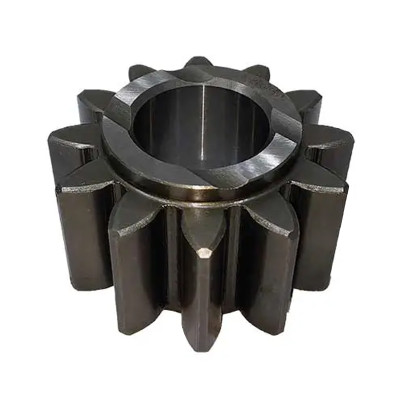
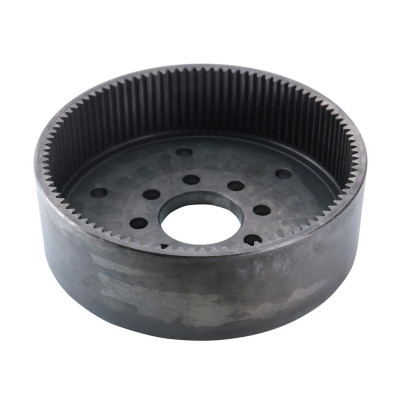
Metal gears are stiffer and carry more load, which is why they show up in high torque or hot environments. Performance still depends on alloy, heat treatment, design, and lubrication. A cheap cast gear won’t behave like a hardened, ground one.
Neither material is automatically better. Your working conditions decide. And don’t assume plastic means cheap or metal means indestructible.
Why the Material Matters
The material shapes how the drive actually runs, and small differences add up over the machine’s life. Two gears can have the same module, tooth count, and shape and still behave very differently when the materials differ in stiffness, thermal expansion, wear behavior, or moisture absorption.
Choose poorly and you’ll deal with faster wear, dimensional drift that disturbs the mesh, extra noise, and shorter maintenance intervals. So pick the material together with the gear design, the manufacturing process, and the inspection plan, not after them.
The Key Differences at a Glance
| Item | Plastic Gears | Metal Gears |
|---|---|---|
| Load capacity | Depends on the polymer grade and structure; deformation is often the limit. | Stiffer, so it can take heavier loads. |
| Weight | Lighter, less moving mass and inertia. | Heavier, depending on the metal and the design. |
| Noise | Material damping cuts some noise and vibration. | Stiffer, but noise still tracks tooth form, accuracy, mounting, and lubrication. |
| Temperature range | Limited by the grade and long-term service. | Usually fine at higher temperatures, within alloy and heat treatment limits. |
| Dimensional stability | Watch creep, thermal expansion, moisture, and long-term load. | Stiffer, but thermal expansion and corrosion still happen. |
| Corrosion | Won’t rust like steel, but chemical resistance varies. | Depends on alloy, surface treatment, and environment. |
| Lubrication | Some engineering plastics run with less external lube; not all. | Needs depend on gear type, speed, load, and the lube system. |
| Cost | Injection molding cuts per-piece cost at volume; tooling is the catch. | Machining cost tracks material, process, heat treatment, accuracy, and batch. |
Where Plastic Gears Shines
Plastic isn’t just the budget option. In the right application it earns its place.
Lighter Weight
Plastics are less dense than most engineering metals, so they trim moving mass and inertia. Whether that improves the whole machine depends on gear size, load, speed, and the overall design.
Quieter Running
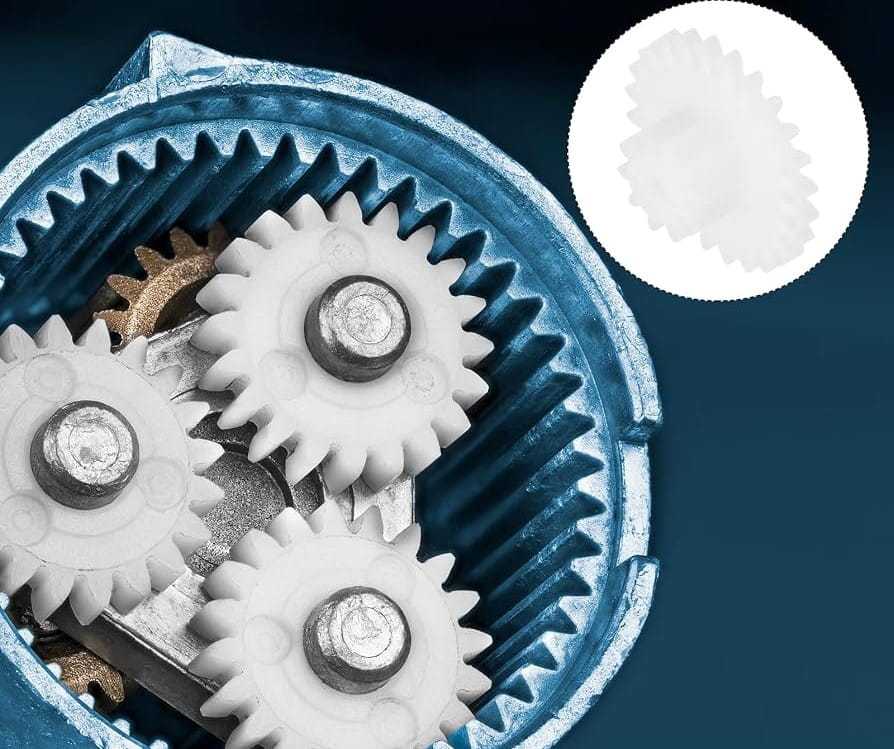
Plastic absorbs vibration, so within the right load and speed window, plastic pairs or a plastic gear running against a metal one are quieter than all-metal sets. Tooth accuracy, backlash, alignment, and lubrication matter just as much.
No Rust
Plastic won’t corrode like carbon steel, which helps in damp or mildly aggressive environments. Check chemical compatibility first, because not every polymer likes oils and cleaners.
Easier to Make
Injection molding can fold several features into one part and drop the per-piece cost at volume. Shape complexity that would be painful to machine can be molded in. Count tooling, tooth accuracy, tolerances, and finishing before you celebrate the price.
Where Metal Gears Wins
Plastic has its charms, but some jobs call for metal.
Before You Ask for a Quote
If you’re approaching a custom gear supplier, have these ready:
Load and torque. Rated and peak values, shock loads, possible overloads.
Speed and duty cycle. Input speed, run time, start-stop frequency, expected life.
Operating temperature. Normal running temperature, peaks, heat sources.
Environment. Humidity, dust, oils, cleaners, or other media the material must survive.
Noise and weight limits. Any hard requirements on sound, vibration, or inertia.
Geometry and accuracy. Module, tooth count, pressure angle, face width, center distance, mating gear, tolerances.
Quantity and lifetime cost. Samples, planned volume, tooling budget, maintenance frequency, replacement cost.
The more you hand over, the faster the supplier can say whether the material fits, and the less back-and-forth you’ll have when the conditions get fuzzy.
How to Settle the Material on a Custom Gear Job
Material selection shouldn’t happen in a vacuum. Walk it through:
Start With the Drawing or Sample
For a replacement part, add the mating gear and how the old part failed.
State the Operating Conditions
Load, speed, temperature, run time, lubrication, target life.
Compare Materials and Design Together
Stiffness, strength, wear, thermal behavior, environment fit, plus geometry and backlash against the material.
Prototype When Risk Is High
For an unproven design, agree on the test plan first.
Inspect and Verify
Key dimensions, tooth form, assembly; noise, wear, or temperature rise if the project demands it.
Approve Before Production
Keep clear specs and acceptance records for critical parts.
What to Ask the Supplier For
When asking for a gear quotation, send the drawing or sample along with the material requirements, working load, speed, temperature, and lubrication conditions. If the gear runs with another gear, include its details as well. These details help the supplier judge whether the proposed material and design are suitable, rather than quoting based on dimensions alone.
Before placing an order, check what the price includes. Tooling, machining, heat treatment, inspection, and sample testing can all affect the final cost. If noise, wear, or dimensional accuracy is a concern, discuss how the finished gear will be checked and whether a trial run is needed. Comparing quotations on the same requirements makes it easier to see which offer actually fits your project.
Why Choose PairGears
At the end of the day, the choice comes back to your working conditions, not the material name or the price tag. PairGears covers custom plastic gears in more depth and supports custom gear projects based on application requirements.
Come to us with drawings, expected quantities, the application, and your load, speed, temperature, and lubrication numbers. We’ll confirm material grade, manufacturing process, precision capability, lead time, and inspection documents against those real requirements. You can also review our custom precision gear capabilities.
Frequently Asked Questions
Are plastic gears stronger than metal gears?
Don’t compare them head-to-head on strength. Metal is generally stiffer and carries more, but grade, design, temperature, and load decide the real answer. Some engineering plastics handle specific drives just fine. In short, compare the actual numbers, not the material family.
Are plastic gears quieter than metal gears?
Usually, within the right load and speed range, because plastic damps vibration. Tooth accuracy, alignment, backlash, speed, and lubrication still change the noise level. If noise is a hard spec, prototype and measure rather than assume.
Do plastic gears need lubrication?
Depends on the material, gear pair, load, speed, and temperature. Some engineering plastics run with little or no external lube. Don’t assume every plastic gear is happy running dry. If in doubt, ask the supplier for dry-run data before you commit.
Can plastic gears replace metal gears?
In some applications, sure, after you’ve checked load capacity, temperature, dimensional stability, wear, and expected life. For high torque, shock loads, or heat, test before you switch.
What do you need for a custom plastic gear quote?
The drawing or sample, target quantity, material requirements, load, speed, temperature, lubrication, and environment. Mating gear details and critical tolerances help too. Any existing part or failure history makes the quote more accurate.
Conclusion
Plastic wins on weight, noise, and corrosion resistance in the right spots. Metal takes higher loads, stiffness, and demanding duty. For an OEM buyer, the goal isn’t one material that works everywhere. It’s the drive solution that fits your load, speed, temperature, environment, accuracy, and total cost.
Need Help Comparing Plastic and Metal Gears?
Building a new gear, or wondering whether an existing one could switch to plastic? Send us your drawings, samples, and working conditions, and you’ll get a far more targeted answer.