
Which gear heat-treatment processes does PairGears support, and what can be controlled?
Which gear heat-treatment processes does PairGears support, and what can be controlled?
PairGears publicly lists carburizing, carbonitriding, nitriding, induction hardening, quench-and-temper and related routes. The controllable result is not one universal hardness range: it depends on material, tooth size, section, furnace or coil, quench and finishing plan. The drawing should state surface and core hardness, effective case depth, test location and method, geometry limits and required records; PairGears confirms the achievable window during technical review.
Select the route from material, duty and final geometry
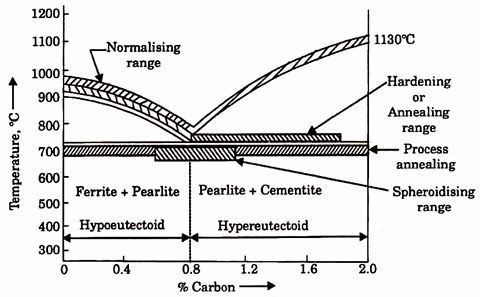
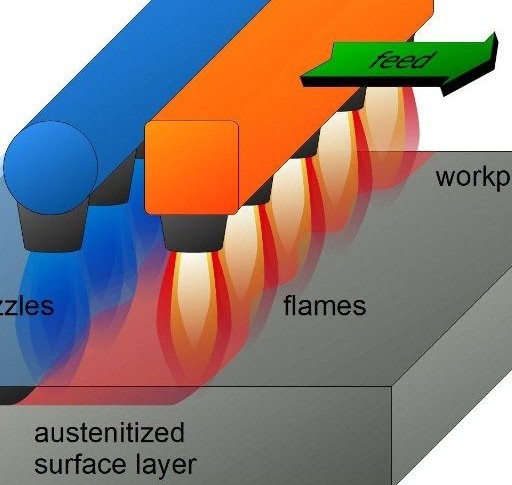
PairGears publicly describes carburizing, carbonitriding, nitriding, induction hardening, quench-and-temper and normalizing-related routes. Carburizing and carbonitriding build a hardened case on suitable low-carbon alloy steels; nitriding forms a thinner hard layer at lower process temperature; induction hardening treats selected areas of appropriate steels; quench-and-temper changes the section more broadly.
No route is automatically best. Review contact and bending duty, shock, wear, tooth size, section thickness, material hardenability, distortion risk and post-treatment finishing. The PairGears heat-treatment guide provides process comparisons, but the project drawing must define the acceptance targets.
Define the controlled result instead of naming only a process
A note such as “carburize” or “induction harden” is incomplete. State the material grade and starting condition, surface hardness range, core hardness where relevant, effective case-depth definition and range, test location, conversion rule, allowed soft zones, and whether the root is included or excluded. Add any limits for decarburization, retained austenite, compound layer or microstructure when the application requires them.
Also define the final geometric condition: datum scheme, runout, bore and face relationships, tooth profile, lead, pitch, tooth thickness and finishing allowance as applicable. A public hardness value from another gear is not a capability guarantee for a different module, section, material or heat-treatment route.
Confirm the achievable window and verification records
During technical review, PairGears should confirm the furnace or induction route, expected hardness and case-depth window, distortion and finishing plan, sampling, test method and record package. Evidence may include material certification, heat-treatment batch record, hardness results, case-depth traverse, microstructure or decarburization checks, and final dimensional or gear inspection tied to the lot.
AIAG CQI-9 provides a system-assessment framework for automotive heat treatment, but a process audit does not replace part-specific drawing acceptance. Use the approved specification and inspection plan to decide whether the treated gear passes.
Are you looking for a reliable manufacturer of down home textile products?
We can quickly provide customers with market analysis, technical support and customized services.- *Name
- Phone
- *Title
- *Content