Helical Gear Manufacturer: 7 Things Buyers Should Check
When choosing a helical gear manufacturer, buyers should not only ask whether the supplier can make helical gears. Helix angle, hand direction, module expression, mating gear data, material, heat treatment and inspection requirements can all affect assembly and performance.
For buyers looking for a precision gear manufacturer, the key question is whether the supplier can understand the drawing, application and inspection needs behind the project, not only provide a unit price.
What Should Buyers Check in a Helical Gear Manufacturer?
Helical gear data, normal and transverse module, mating gear, material and heat treatment, machining capability, inspection scope, and lead time directly affect quotation accuracy, sample approval, assembly risk and repeat orders.
If buyers only provide outside diameter, tooth count or photos, the supplier may only make an initial judgment. Formal quotation and production usually need complete gear data and assembly information.
Why Helical Gears Need Careful Supplier Review
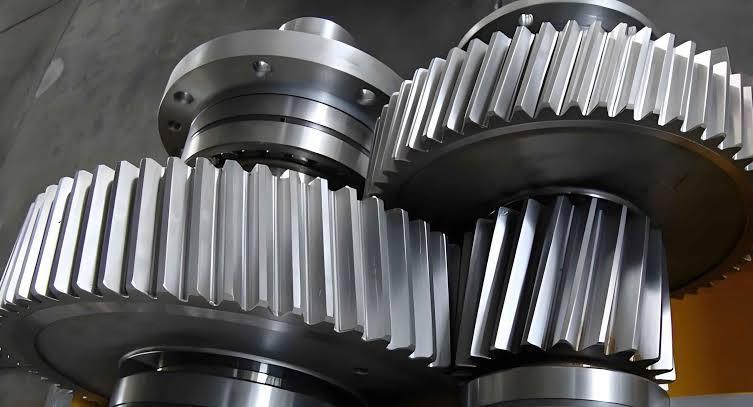
Compared with spur gears, helical gears have angled teeth. This helps create smoother meshing, but it also adds more parameters to confirm.
Helix angle, hand direction, normal module, transverse module, center distance, mating gear data and axial thrust may all affect the final result. If one key detail is wrong, the gear may fail to mesh, run with noise, or wear unevenly.
Not Just a Standard Gear
Many helical gear projects are custom parts made from drawings, samples or equipment requirements. Buyers need a supplier that can review complete parameters, not quote only from appearance or simple dimensions.
For a helical gear drive, the supplier should also understand how the gear works with shafts, bearings, housing and the mating gear.
Gear Pair Review Matters
A helical gear usually does not work alone. It should be reviewed with the mating gear, shaft, bearing support, housing and center distance. Checking only one gear may miss the real assembly risk.
7 Things Buyers Should Check
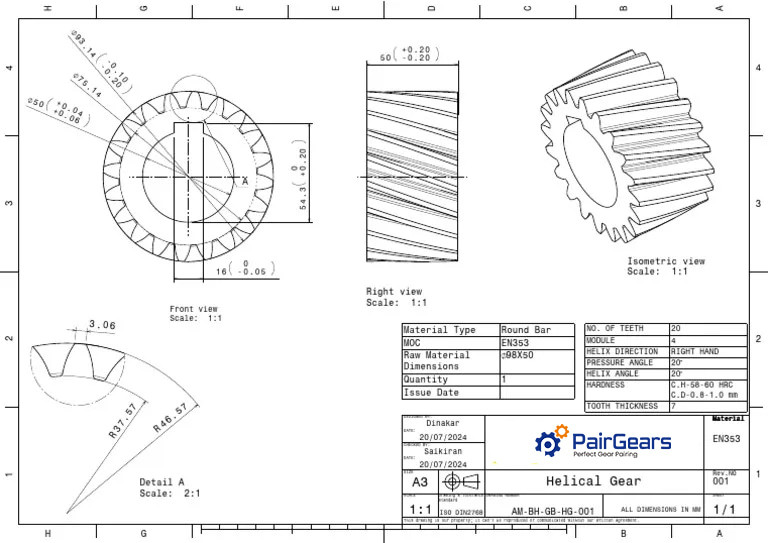
The first step is to confirm module or DP, tooth count, pressure angle, helix angle, hand direction, face width, outside diameter, bore, keyway and tolerance requirements.
For replacement helical gears, old parts may already be worn. Sample photos, key dimensions, mating gear information and assembly feedback should be reviewed together.
In helical gear projects, normal module and transverse module are easy to confuse. Module may be expressed in the normal direction or transverse direction. If buyer and supplier understand it differently, the gear parameters may be wrong.
Matching module alone does not confirm the full meshing relationship. Helix angle, hand direction, pressure angle, center distance and mating gear data should also be checked before quotation or production.
Buyers should confirm the mating gear’s tooth count, helix hand, helix angle, center distance, assembly position and current condition.
If only one gear is replaced while the mating gear is worn, the new gear may still fail to achieve proper meshing. This is especially important for gearbox, transmission and reducer projects.
Material and heat treatment affect strength, wear resistance, distortion risk and service life. Buyers should confirm material grade, heat treatment method, hardness range, case depth and whether finishing after heat treatment is required.
For high-load or long-running gears, heat-treatment distortion should be considered early because it may affect tooth form, bore size, end face and runout.
Helical gear manufacturing may involve hobbing, shaping, shaving, grinding, chamfering, deburring and post-heat-treatment finishing.
For high-speed, low-noise or high-accuracy projects, buyers should confirm whether the supplier has suitable machining and inspection capability. For general transmission projects, deburring, rust prevention, packaging and batch consistency still matter.
Inspection should match the project requirements. Common checks include tooth profile, lead, pitch, runout, tooth thickness, hardness, bore size, keyway, surface finish and visual inspection.
Buyers should confirm what will be inspected, which standard will be followed, whether reports will be provided and which dimensions are critical. For shipment approval, gear inspection before shipment requirements should be confirmed during the RFQ stage.
Lead time depends on material, tooling, machining, heat treatment, inspection, sample approval, packaging and shipping.
If the project will involve repeat purchasing, buyers should also confirm scheduling, batch consistency and future delivery support. Stable delivery is often more useful than the fastest one-time lead time.
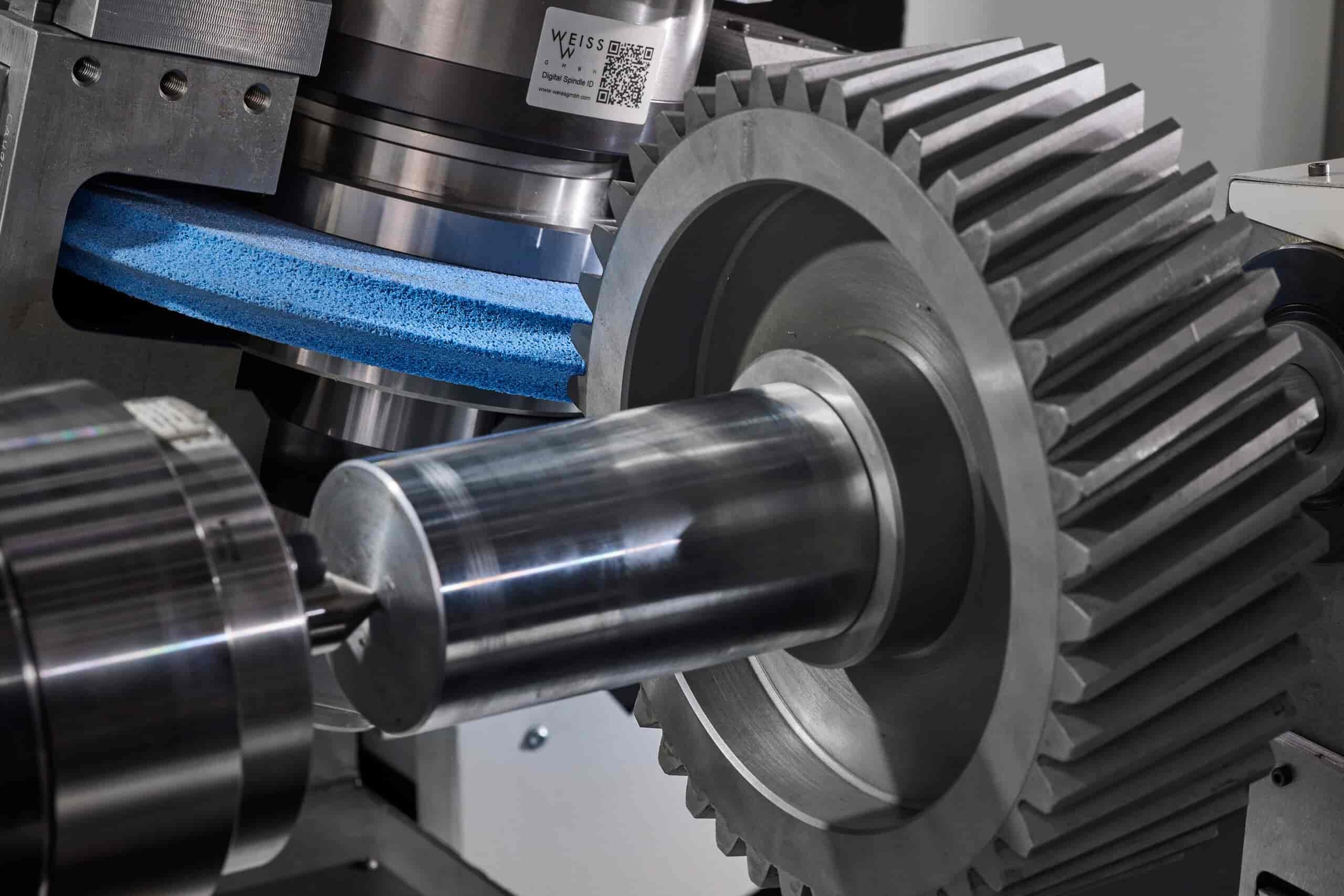
Buyer Checklist for Helical Gear Manufacturer Review
| Buyer Check | Why It Matters |
|---|---|
| Complete gear drawing | Confirms gear data, dimensions and tolerances |
| Helix angle and hand direction | Affects meshing and assembly |
| Normal or transverse module | Avoids parameter misunderstanding |
| Mating gear data | Helps review gear pair relationship |
| Material and heat treatment | Affects strength, wear resistance and distortion |
| Accuracy and runout requirements | Affects noise, vibration and meshing |
| Inspection scope | Confirms what will be checked and reported |
| Lead time and repeat order plan | Helps evaluate supply stability |
This checklist helps buyers review a helical gear manufacturer before quotation. If drawings are incomplete, old samples, sample photos, equipment model, OEM number, mating gear information and assembly feedback can support an initial review.
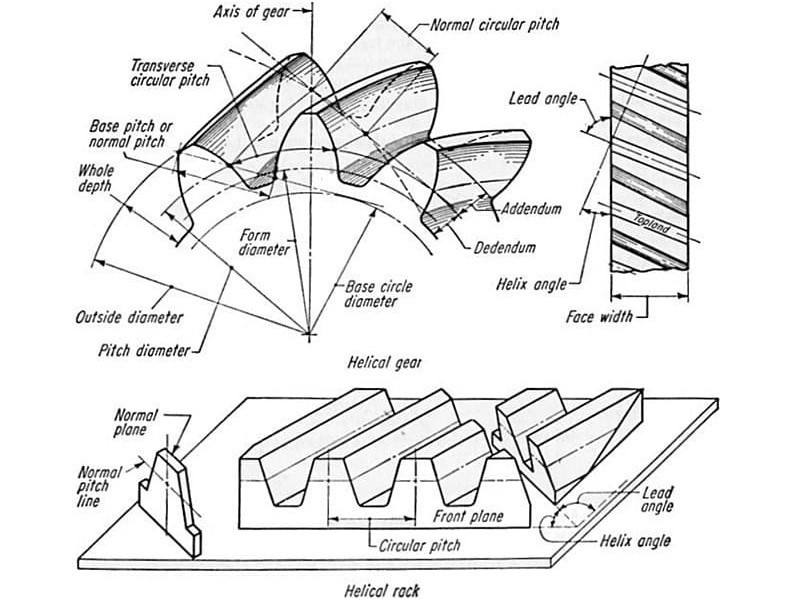
Common Mistakes When Sourcing Helical Gears
Providing Only Outside Diameter and Tooth Count
Outside diameter and tooth count can support initial identification, but they cannot confirm the full helical gear design. Helix angle, hand direction, module type, pressure angle and tooth thickness still need to be checked.
Ignoring Helix Hand Direction
If left-hand or right-hand direction is wrong, the gear may fail to mesh. Hand direction should be confirmed through the drawing, sample or mating gear, not guessed.
Mixing Normal Module and Transverse Module
Confusing normal module and transverse module can lead to wrong gear parameters. Buyers should clarify how module is expressed on the drawing or ask the supplier to review it from complete data.
Not Checking the Mating Gear
Helical gears work as a pair. If the mating gear’s parameters, wear condition or assembly position are not confirmed, the new gear may still have meshing problems.
Confirming Inspection Too Late
If inspection scope is raised after production, it may affect cost, lead time and acceptance. Tooth profile, lead, runout, hardness, tooth thickness and report requirements should be confirmed during RFQ.
What Information Should Buyers Send for Quotation?
| Information | Why It Helps |
|---|---|
| 2D drawing or 3D model | Shows structure, dimensions and tolerance basis |
| Module or DP | Confirms basic tooth size |
| Tooth count | Affects pitch diameter and ratio |
| Pressure angle | Affects tooth form and force direction |
| Helix angle | Critical for helical gear meshing |
| Hand direction | Confirms left-hand or right-hand gear |
| Material and heat treatment | Supports process and cost review |
| Mating gear information | Helps check assembly relationship |
| Quantity and usage | Supports pricing, process and lead time review |
| Inspection requirements | Confirms report and acceptance scope |
If there is no complete drawing, buyers can first provide sample photos, key dimensions, equipment model, OEM number and working conditions. Photos help with initial identification, but formal quotation and production usually need further technical confirmation.
For early-stage projects, buyers can also prepare the information needed for a custom gear quote before sending the project for review.
How PairGears Reviews Helical Gear Projects
PairGears reviews drawings, 3D models, old samples, photos, module or DP, tooth count, pressure angle, helix angle, hand direction, face width, center distance, mating gear data, material, heat treatment, quantity and inspection requirements.
Review the Gear Data
Confirm module or DP, tooth count, pressure angle, helix angle, hand direction, face width and key dimensions.
Review the Gear Pair
Check center distance, mating gear condition, assembly position and feedback from the actual transmission system.
Review Process & Inspection
Confirm material, heat treatment, accuracy, finishing route, quantity and inspection/report requirements.
Confirm the Next Step
Depending on the project, the next step may be sample measurement, mating-part confirmation, first-article verification or a broader inspection plan.
For replacement helical gear projects, PairGears does not judge production feasibility only from outside diameter and tooth count. Old gear wear, mating gear condition, assembly feedback, working conditions and inspection needs are reviewed together.
If the project involves noise, abnormal wear, poor meshing or batch production, sample measurement, mating part confirmation, first-article verification or a more complete inspection scope may also be needed.
FAQ About Helical Gear Manufacturers
What should I check when choosing a helical gear manufacturer?
Buyers should check gear data, helix angle, hand direction, material, heat treatment, machining capability, inspection scope, lead time and repeat-order support.
Why are helix angle and hand direction important?
Helix angle and hand direction directly affect meshing. If either one is wrong, the gear may not fit the mating gear or may run with noise and poor contact.
Can a helical gear be quoted from photos only?
Photos can support initial review, but they are usually not enough for accurate quotation or production. Drawings, gear data, material, heat treatment, quantity and mating gear information are still needed.
What inspection items are common for helical gears?
Common items include tooth profile, lead, pitch, runout, tooth thickness, bore size, keyway, hardness and visual inspection. The exact scope should follow the drawing and application.
Should replacement helical gears be reviewed with the mating gear?
Yes. Helical gears work as a pair. Mating gear data, wear condition, center distance and assembly feedback help reduce replacement risk.
Conclusion
Choosing a helical gear manufacturer is not only about finding a supplier that can make helical gears. Buyers should check whether the supplier understands the gear data, mating relationship, material, heat treatment, inspection scope and delivery requirements behind the project.
For custom or replacement helical gear projects, clear technical information helps reduce quotation errors and assembly risks.
Review the Project Before You Compare the Price
Buyers can Contact us with drawings, sample photos, gear data, mating gear information, material requirements, quantity and inspection needs, so the project can be reviewed before quotation, sample measurement or further technical confirmation.