Same Module Gears Still Not Meshing? What to Check
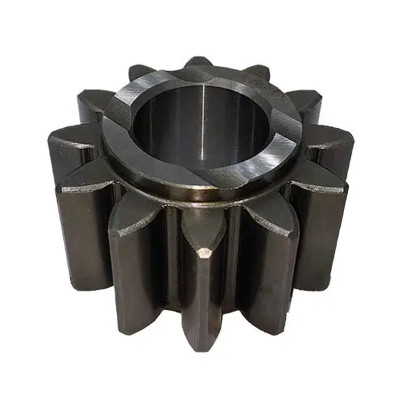
A gear can have the same module as the original part and still fail to mesh correctly. This often happens in replacement gear projects: the module looks right, the tooth count seems close, and the outside diameter may also be similar, but the gear still runs tight, makes noise, creates too much backlash, or does not fit the mating gear after assembly.
The reason is simple: module only tells part of the story. For a precision gear manufacturer, correct gear meshing needs to be reviewed together with pressure angle, center distance, tooth thickness, backlash, profile shift, helix angle, accuracy, and the condition of the mating gear. Before ordering a replacement gear, these details should be checked as a complete gear pair, not one by one in isolation.
What Does Gear Module Actually Confirm?
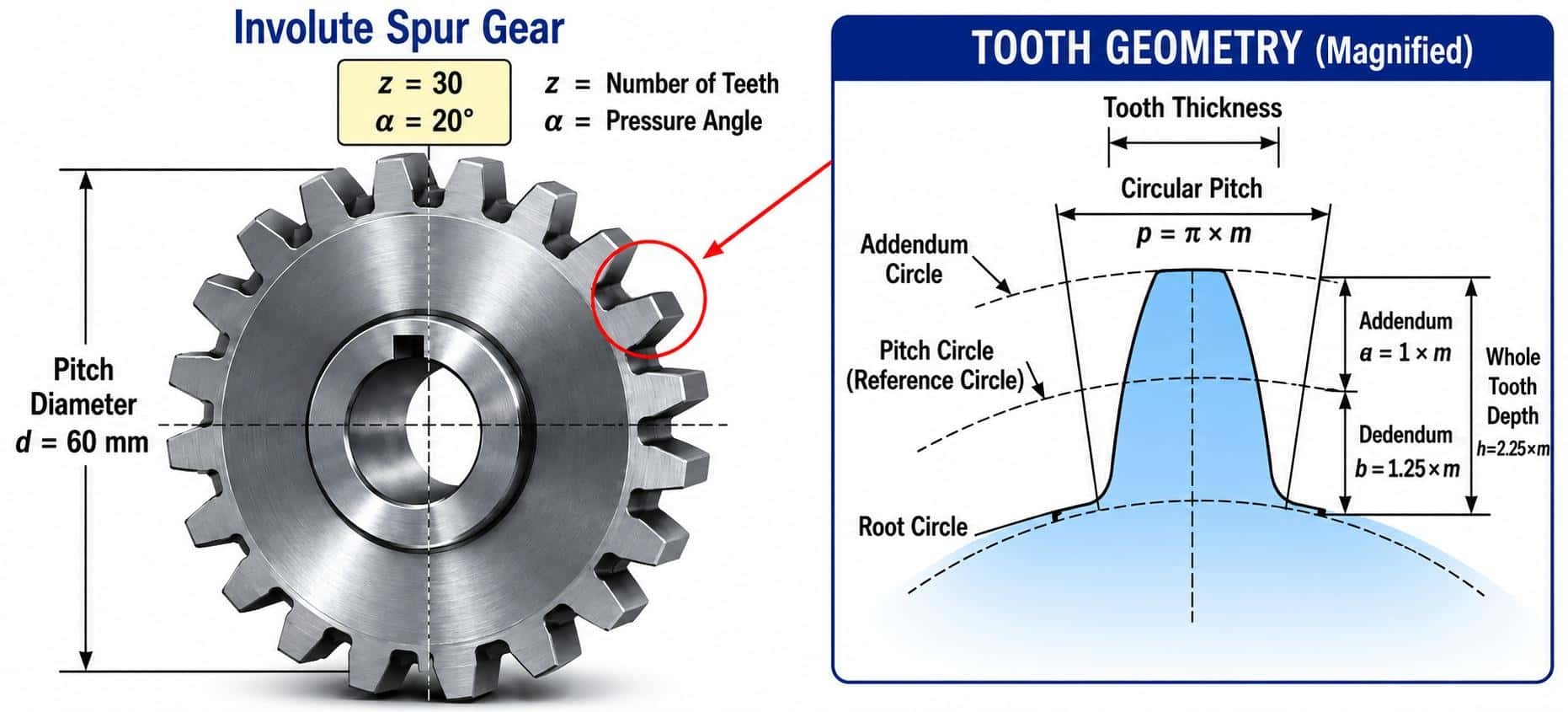
Gear module describes the basic tooth size of a metric gear. It helps define the relationship between pitch diameter and tooth count. For metric spur gears that are designed to work together, the module usually needs to match.
However, module does not define the full gear geometry. It does not confirm pressure angle, tooth thickness, backlash, profile shift, helix angle, gear accuracy, or the actual condition of the mating gear.
Same module is an early checkpoint, not final confirmation. It should not be treated as final confirmation for production or replacement.
What Else Affects Gear Meshing Besides Module?
Matching the module is only the starting point. Whether two gears actually run together as intended depends on several other dimensions and design details.
1. Pressure Angle
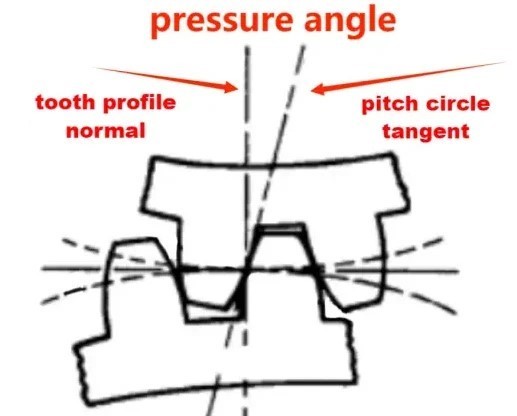
Two gears can have the same module and still use different pressure angles. In that case, the tooth profiles will not contact as intended, even if the gears look almost identical at first glance.
This is easy to miss when identifying a replacement from an old part. Tooth count and outside diameter are relatively easy to check, while the pressure angle usually needs to be confirmed from the drawing, gear data, or measurement.
2. Tooth Count and Pitch Diameter
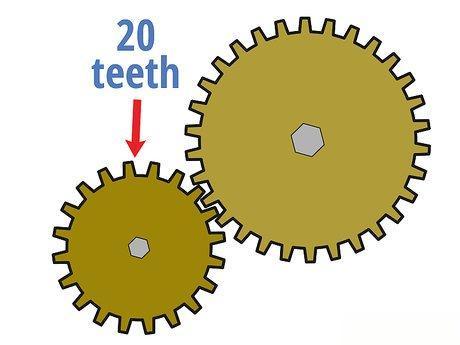
For a standard metric gear, tooth count and module determine the pitch diameter. Changing the tooth count therefore changes more than the ratio—it also changes how the gear fits into the original gear pair.
When replacing an existing gear, the tooth count needs to agree with the mating gear, center distance, and original transmission ratio. A similar outside diameter is not enough to confirm the match.
3. Center Distance
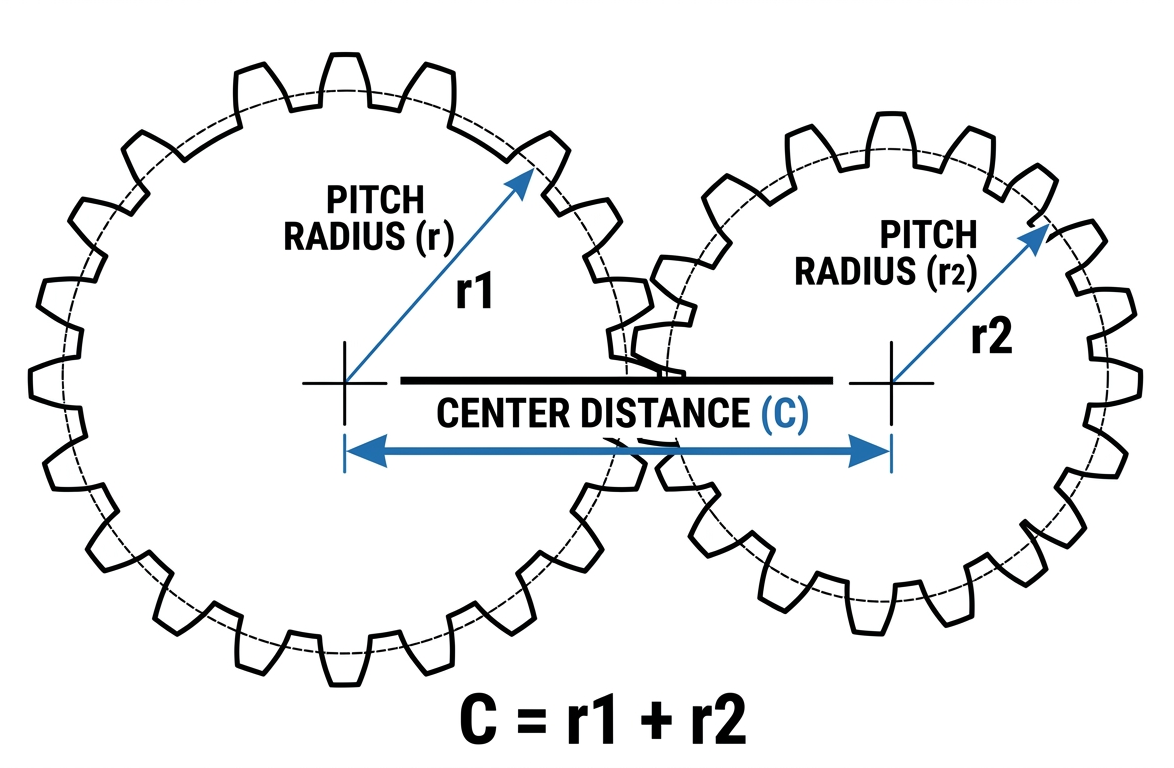
A gear pair can be correct on paper and still run badly if the installed center distance is wrong. Too little clearance can make the mesh tight; too much can increase backlash and reduce the intended tooth contact.
The cause is not always the gear itself. Worn bearings, shaft position, housing dimensions, or previous repairs can all change the actual center distance in an older gearbox.
4. Tooth Thickness and Backlash
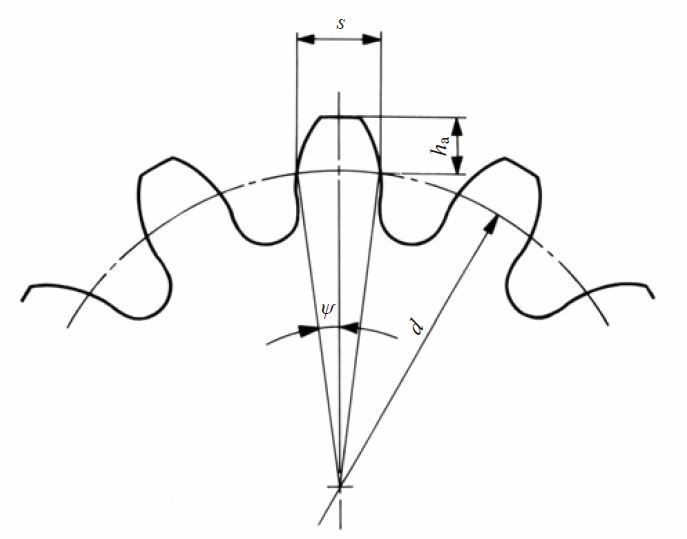
Module does not tell you how much clearance will exist between the teeth. Tooth thickness, center distance, and the mating gear all contribute to the final backlash.
A replacement with too much tooth thickness may feel tight during assembly or operation. Too little can leave excessive backlash. This is why tooth thickness is often checked together with the mating part rather than treated as an isolated dimension.
5. Profile Shift
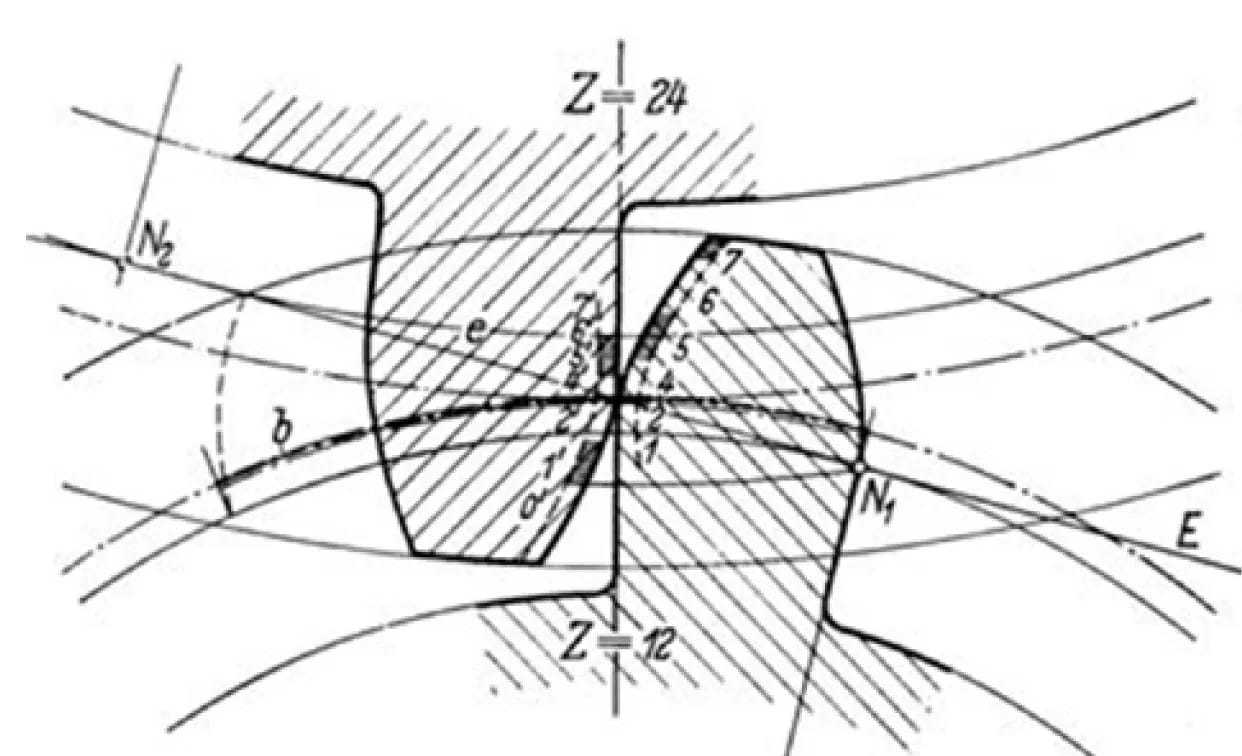
Profile shift is another detail that can be overlooked when a replacement gear is identified mainly by module and tooth count.
It changes several parts of the gear geometry, including tooth thickness, outside diameter, and the working meshing position. Two gears with the same module and tooth count are therefore not necessarily interchangeable if their profile shift differs.
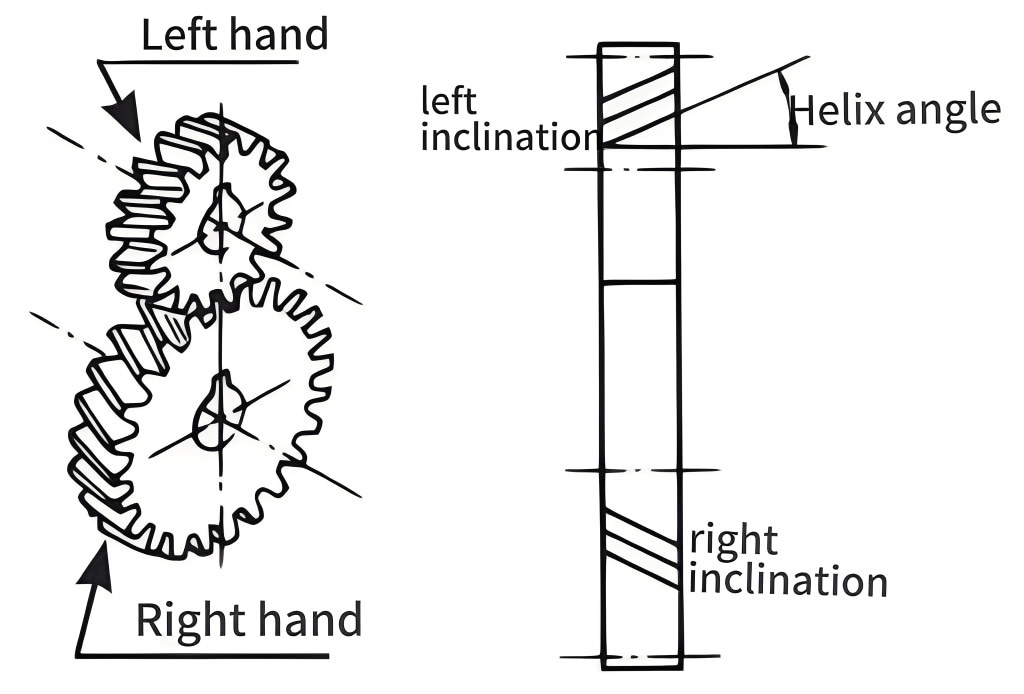
6. Helix Angle
Helical gears require a few more checks. The normal module, helix angle, helix direction, and mating gear geometry all need to agree.
A wrong helix angle or hand is usually enough to rule out a replacement. Smaller deviations can also change the contact pattern, running noise, and axial force, so these details should be taken from reliable gear data rather than estimated from appearance.
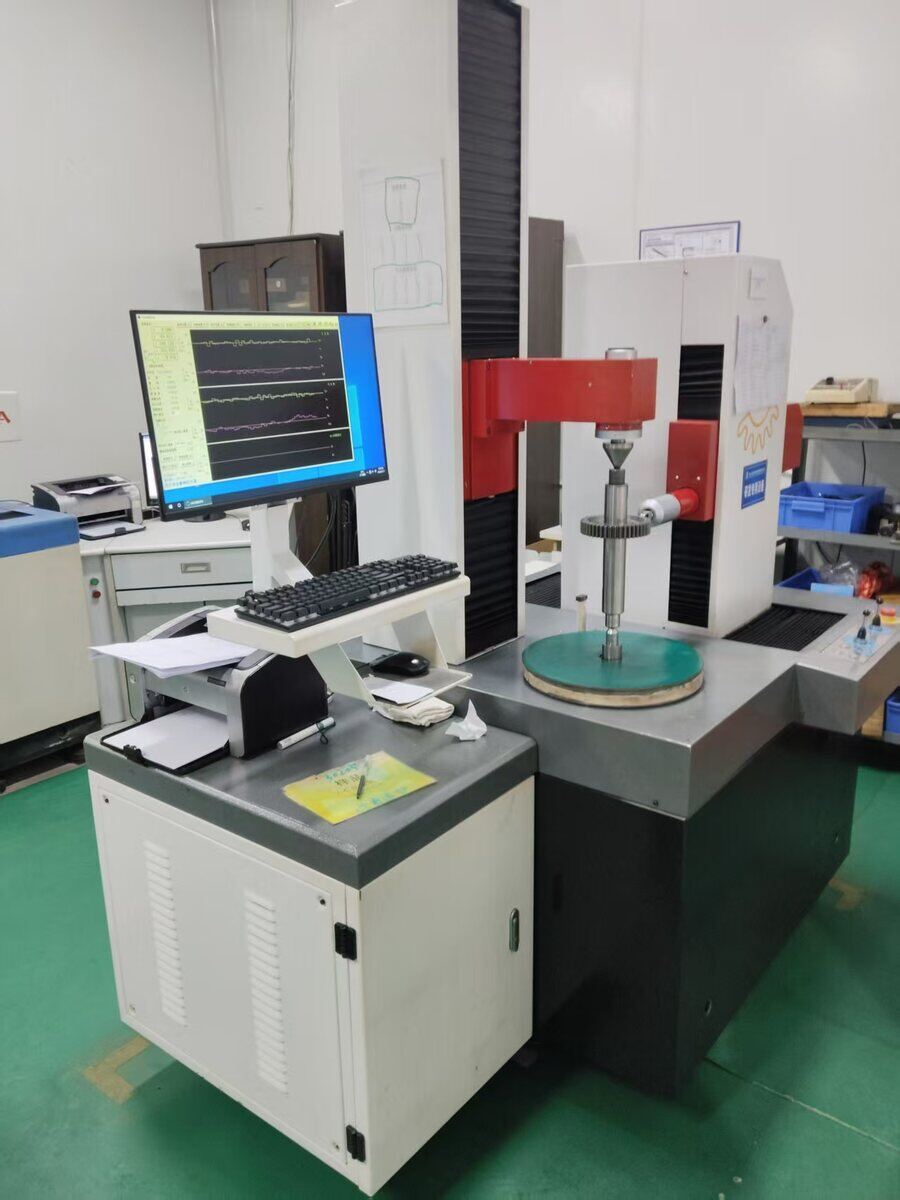
7. Gear Accuracy
Correct geometry does not guarantee smooth running if the manufactured gear has excessive pitch, profile, lead, or runout error.
The effect becomes more noticeable as speed increases or when the transmission is sensitive to noise and vibration. In these applications, gear accuracy control and the agreed inspection method are part of the meshing requirement, not simply quality checks added after machining.
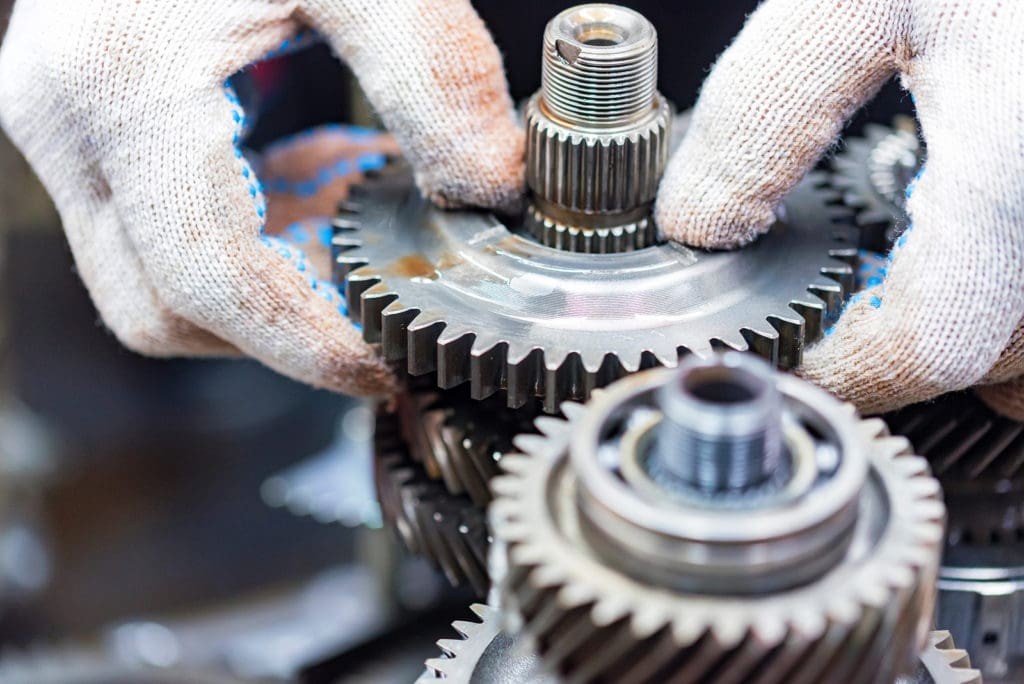
8. Mating Gear Condition
A replacement gear never works by itself. It has to mesh with a second gear that may already have years of wear, damage, or alignment changes.
This is especially important in OEM and replacement gear projects where only one part of an older transmission is replaced. Before copying the old gear, check the mating gear, bearings, shafts, housing, and wear pattern, since a new gear can still show poor contact after assembly even if it meets the drawing.
Buyer Checklist: What to Check Before Replacing a Gear
| Check Item | Why It Matters |
|---|---|
| Module or DP | Confirms basic tooth size |
| Pressure angle | Affects tooth contact and force direction |
| Tooth count | Affects ratio and pitch diameter |
| Center distance | Changes backlash and contact position |
| Tooth thickness | Affects clearance and tightness |
| Backlash | Shows whether the gear pair has proper clearance |
| Profile shift | May change tooth form and meshing position |
| Helix angle | Must be checked for helical gears |
| Mating gear condition | Worn mating gears may affect contact |
| Accuracy grade | Affects noise, vibration, and consistency |
This checklist helps buyers avoid judging a replacement gear by module alone. If some data is missing, a supplier may still give an initial review, but final production usually needs more technical confirmation.
Common Mistakes in Same-Module Gear Projects
1. Relying on Module and Outside Diameter Alone
Module, tooth count, and outside diameter are useful starting points, but they do not confirm the full tooth geometry. Pressure angle, profile shift, center distance, tooth thickness, and mating gear data may still change the meshing result.
2. Copying a Worn Sample Directly
An old gear may have lost tooth thickness or changed tooth shape after long-term use. If the worn size is copied directly, the new gear may not restore the original backlash or contact condition.
3. Ignoring the Mating Gear and Actual Center Distance
If the mating gear is worn, misaligned, or different from the original design, replacing only one gear may not solve the problem. The actual center distance, shaft and bearing condition, and mating gear should be reviewed together before the replacement geometry is confirmed.
4. Starting Production Before Critical Gear Data Is Confirmed
Photos and visual similarity are useful for early review, but they cannot confirm the full gear specification. Before production, critical tooth data, mounting dimensions, mating conditions, material, heat treatment, accuracy, and inspection requirements should be confirmed from drawings, measurement, or agreed technical data.
What Information Should Buyers Provide for Review?
For a gear that has the same module but still does not mesh correctly, the most useful information can be grouped into six areas:
| Information Group | What to Provide |
|---|---|
| Gear geometry | Module or DP, tooth count, pressure angle, profile shift, helix angle if applicable |
| Key dimensions | Outside diameter, face width, center distance, tooth thickness or measurement over pins |
| Mating condition | Mating gear data or photos, backlash requirement, shaft/bearing/assembly feedback |
| Existing part | 2D drawing, old sample, sample photos, OEM number if available |
| Manufacturing requirements | Material, heat treatment, hardness, required accuracy grade |
| Inspection and problem description | Inspection/report requirements and a clear description of the meshing issue |
If no complete drawing is available, the old sample and mating gear information become more important. Clear sample and mating-gear photos can support the initial review, but physical measurement, reverse engineering, or prototype confirmation may still be needed before production.
How PairGears Reviews Gear Meshing Problems
PairGears reviews drawings, 3D models, samples, photos, OEM numbers, module or DP, tooth count, pressure angle, center distance, tooth thickness, backlash, and mating gear details together. For replacement gear projects, the old gear is not treated as a single isolated part; visible wear, tooth damage, mating gear condition, assembly feedback, and application information are also checked, because a worn sample may no longer show the original tooth thickness or contact condition.
For example, if a worn sample shows reduced tooth thickness, PairGears does not automatically treat that measured value as the original design size. The mating gear, center distance, wear pattern, available drawing or OEM data, and target backlash are reviewed together before the replacement geometry is confirmed.
Before quotation or production, the project may still need confirmation of gear parameters, material, heat treatment, accuracy grade, inspection scope, and whether sample measurement, reverse engineering, or prototype confirmation is required. This helps establish a clearer technical basis before comparing custom gear quotations or moving into production.
Same module, but the gear still does not mesh?
Send the available drawing, sample photos, mating gear data, center distance, and assembly feedback for an initial technical review.
FAQ About Same-Module Gear Meshing
Can gears with the same module always mesh?
No. Same module only confirms the basic tooth size. Pressure angle, center distance, tooth thickness, backlash, and mating gear condition also affect meshing.
Why does pressure angle matter if the module is the same?
Pressure angle affects tooth contact and force direction. If it does not match, two same-module gears may look similar but still mesh poorly.
Can a worn gear sample give the wrong tooth thickness?
Yes. A worn gear may have already lost tooth thickness, so the measured value may not show the original design size.
What should buyers check besides module?
Check the complete gear geometry, center distance, backlash, mating gear condition, required accuracy, and manufacturing requirements rather than module alone.
Can PairGears review a gear that does not mesh correctly?
Yes. Buyers can send drawings, old sample photos, mating gear information, OEM number, center distance, and assembly feedback for technical review.
Conclusion
Same-module gears may still fail to mesh because module confirms only the basic tooth size. Correct meshing also depends on pressure angle, center distance, tooth thickness, backlash, profile shift, helix angle, accuracy, and the condition of the mating gear.
Before ordering a custom or replacement gear, confirm the available drawing or sample data, mating gear, center distance, material, heat treatment, accuracy, quantity, and inspection requirements.
Need Help Reviewing a Gear Meshing Problem?
Contact PairGears with the available project information for technical review and quotation.